

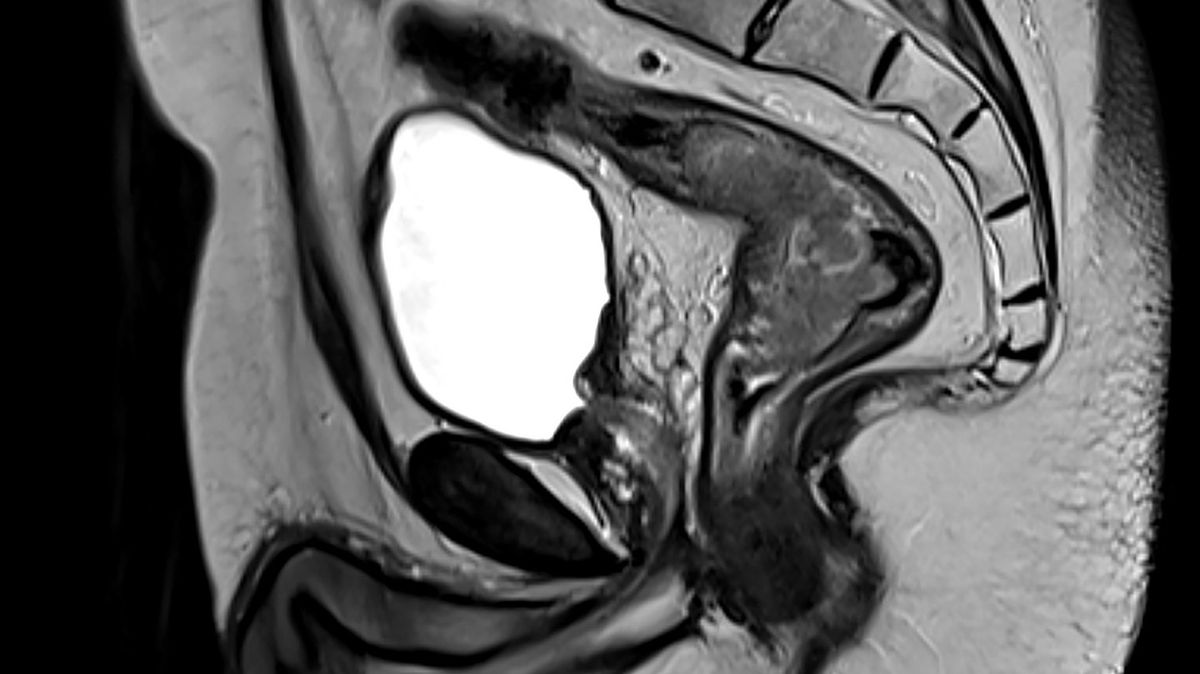
Colon cancer is often seen as an illness that mainly affects older adults. A major new study suggests that belief may be misleading — and that for many younger people, the disease is only discovered once it has already progressed.
A large Swiss analysis of almost 100,000 colorectal cancer cases tracked over more than 40 years has found a clear upward trend in diagnoses among adults under 50. At the same time, rates in older age groups have declined, a shift researchers link to the impact of established screening programmes.
The data also indicates that some people are developing the disease in their 30s, despite having no family history and experiencing few, if any, obvious early red flags.
Scientists at the University of Geneva and the Geneva University Hospitals reviewed 96,410 colorectal cancer diagnoses made between 1980 and 2021. They reported that cancers detected before age 50 made up 6.1% of all colorectal cancer cases, and that incidence in younger adults increased by roughly 0.5% each year throughout the study period.
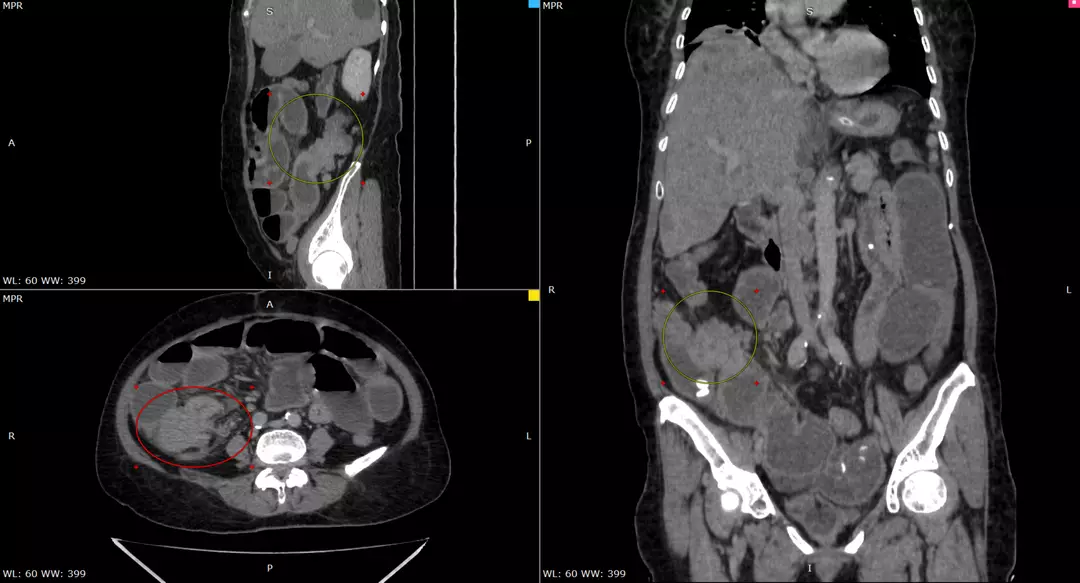
That pattern differed sharply from what was seen in people aged 50 to 74 — the group most commonly invited for routine screening — where rates fell markedly. The decline worked out at 1.7% in men and 2.8% in women.
Researchers say a range of factors could be contributing, including shifts in diet and everyday habits, higher obesity levels, and early-life environmental exposures that may influence the gut microbiome.
Even so, the team emphasised that no single cause currently explains the rise in younger adults.

One of the most concerning findings relates to how advanced the disease is when it’s detected. Nearly 28% of patients under 50 were already diagnosed with metastatic cancer — meaning it had spread — compared with about 20% of older patients.
“Cases are now emerging in people in their thirties, with no personal or family history of the disease,” said Dr Jeremy Meyer, Senior Consultant Surgeon at the Geneva University Hospitals.
“These patients are often diagnosed late, by which time metastases are already present.”
Doctors urge people not to disregard symptoms such as ongoing abdominal pain, blood in the stool, unexplained weight loss, or persistent changes in bowel habits. Clinicians warn that younger adults may be especially likely to brush off these signs because cancer feels unlikely at their age.
The researchers note that some health systems have already adjusted to the shifting risk profile. In the United States, the recommended starting age for colorectal cancer screening has been reduced from 50 to 45, and experts say people with a family history may need to begin checks even earlier.
In Switzerland, colorectal cancer is among the three most frequently diagnosed cancers, with around 4,500 new cases each year. Worldwide, it is the third most commonly diagnosed cancer and the second leading cause of cancer deaths, with more than 1.9 million new cases reported in 2022.
The study also found the rise is largely being driven by rectal cancers in both men and women, along with an increase in right-sided colon cancers among younger women in particular.
“These differences suggest the presence of distinct biological or environmental mechanisms,” said epidemiologist Dr Evelyne Fournier, who co-led the research.