


Health specialists warn that popular weight-loss injections may be doing more than curbing appetite — they could also be affecting how other medications work in the body.
Researchers say drugs such as Wegovy and Mounjaro may unintentionally disrupt the effectiveness of some commonly used treatments, potentially preventing them from working as intended.
The concern appears to stem from the same mechanism that helps people feel less hungry in the first place.
RAND estimates that almost 12 percent of people in the US have tried a GLP-1 medication. For those taking other prescriptions alongside them, experts say unexpected changes in how those medicines feel or perform could be a sign of an interaction.
GLP-1 drugs slow digestion, meaning food stays in the stomach longer and people tend to feel full for an extended period.
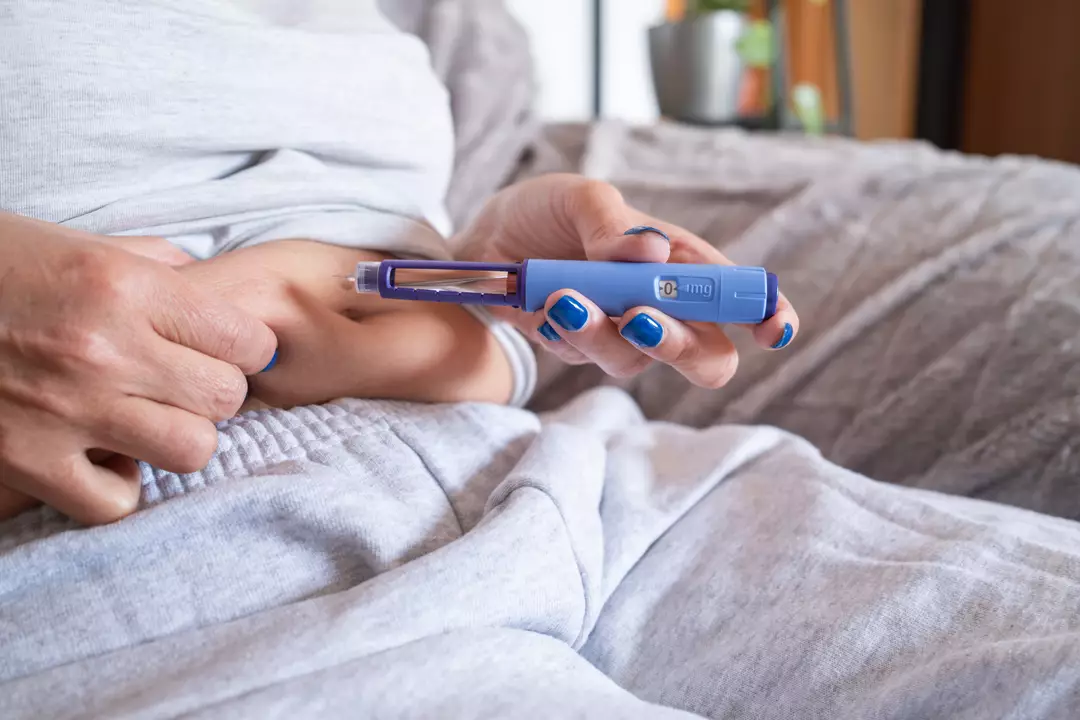
However, it may not only be meals that linger. Tablets and capsules can also remain in the stomach longer, potentially delaying when they move into the intestines where absorption typically happens.
That timing can matter, particularly for medications that rely on being taken — and absorbed — on a consistent schedule to achieve the desired effect.
Examples often raised include oral contraceptives and certain Parkinson’s treatments, where reliable absorption can be especially important.
Beyond delays, there’s also a broader question of whether the slowed “transit time” could reduce how much of a medicine is absorbed overall.
According to Westongrove Partnership: “Because oral medications need to reach your intestines to be properly absorbed into your bloodstream, this delay means that pills can take longer to be absorbed. In some cases, the full dose may not be absorbed effectively at all.”
In the UK, reports said that a UK watchdog has received 40 reports connected to pregnancies in people using these medications. The concern raised was that the contraceptive pill could become less reliable if absorption is delayed beyond the intended window.
Hormone replacement therapy (HRT) is another area being discussed, as it’s frequently prescribed to help manage symptoms linked to reduced estrogen during menopause.

The Partnership explained: “If you take HRT in tablet form, the delayed absorption caused by weight loss injections can lead to fluctuating hormone levels. This means you might experience a sudden return of menopause symptoms, such as hot flushes, mood changes, or poor sleep.”
Parkinson’s disease medication has also been flagged as a potential concern. Mass General IRI cited two patient cases suggesting GLP-1 treatment may interfere with oral levodopa.
In those cases, the medication appeared to be less effective, with slowed absorption highlighted as a likely contributing factor.
To this, Movement Disorders published a warning, noting: “With the dramatic increase in GLP-1RA consumption and a projected expansion of its use across populations and indications in the near future, the impact of GLP-1RA on oral PD medications should be studied.”