

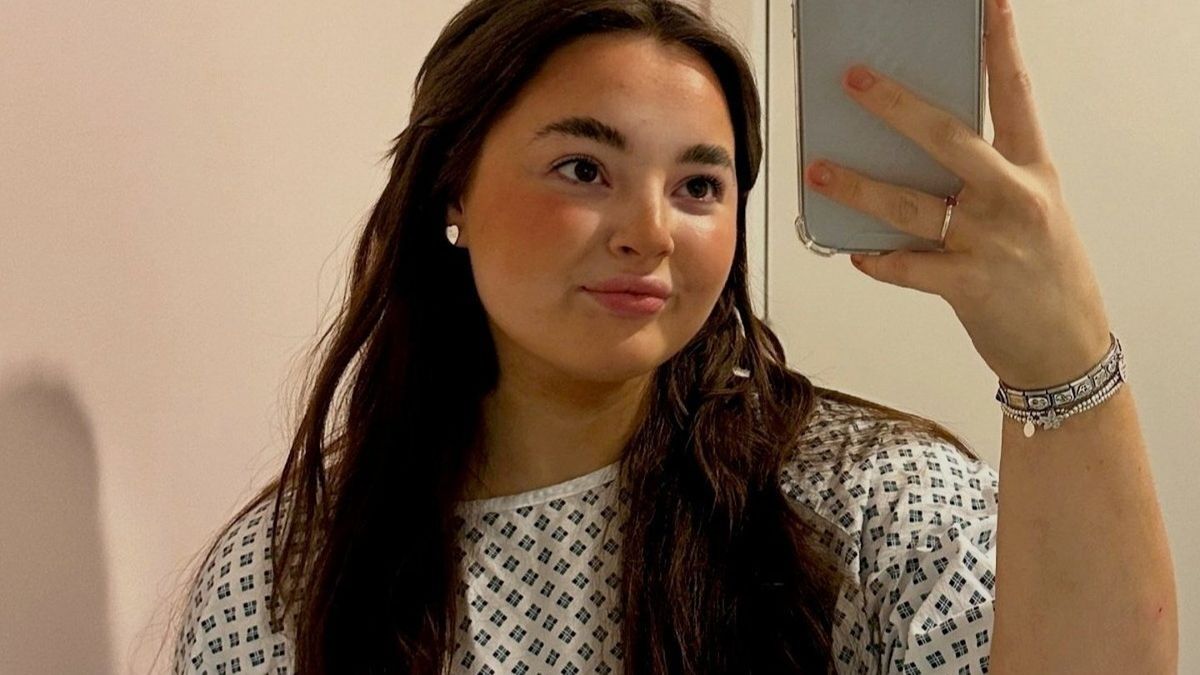
A nursing student who went to her GP with what seemed like cold symptoms was later told she had an aggressive, life-threatening cancer.
Ayley Crawford, now 21, began experiencing repeated colds and sinus infections when she was 19, around the same time she started her nursing degree at Glasgow Caledonian University.
She also found herself constantly “feeling weak and exhausted”, and things escalated when she fainted during an exam—leaving her convinced that “something wasn’t right”.
Ayley booked an appointment with her doctor, who arranged blood tests and referred her to University Hospital Wishaw with suspected diabetes.
After further investigations, she was instead told she had been diagnosed with acute myeloid leukaemia.
According to MayoClinic, acute myeloid leukaemia (ACL) is “a fast-growing cancer of the blood and bone marrow,” and can lead to a rapid onset of fatigue.
The condition develops quickly and typically needs urgent treatment.

“My first thought was ‘I’m going to die’,” Ayley told SWNS. “I knew something was wrong with me, but I never thought it would turn out to be cancer.”
Because the cancer was so aggressive, she began treatment straight away. She went through four rounds of chemotherapy and experienced difficult side effects, including thinning hair and sickness.
The American Cancer Society reports that AML makes up around 1 in 3 leukaemia cases in adults and accounts for roughly 1% of all cancers.
In November 2024, Ayley was told she was in remission and started preparing to return to university. But just a few months later, in March 2025, a routine bone marrow biopsy showed the cancer had returned.
She described the relapse as a “complete shock”, saying she had felt well and was devastated by the news.
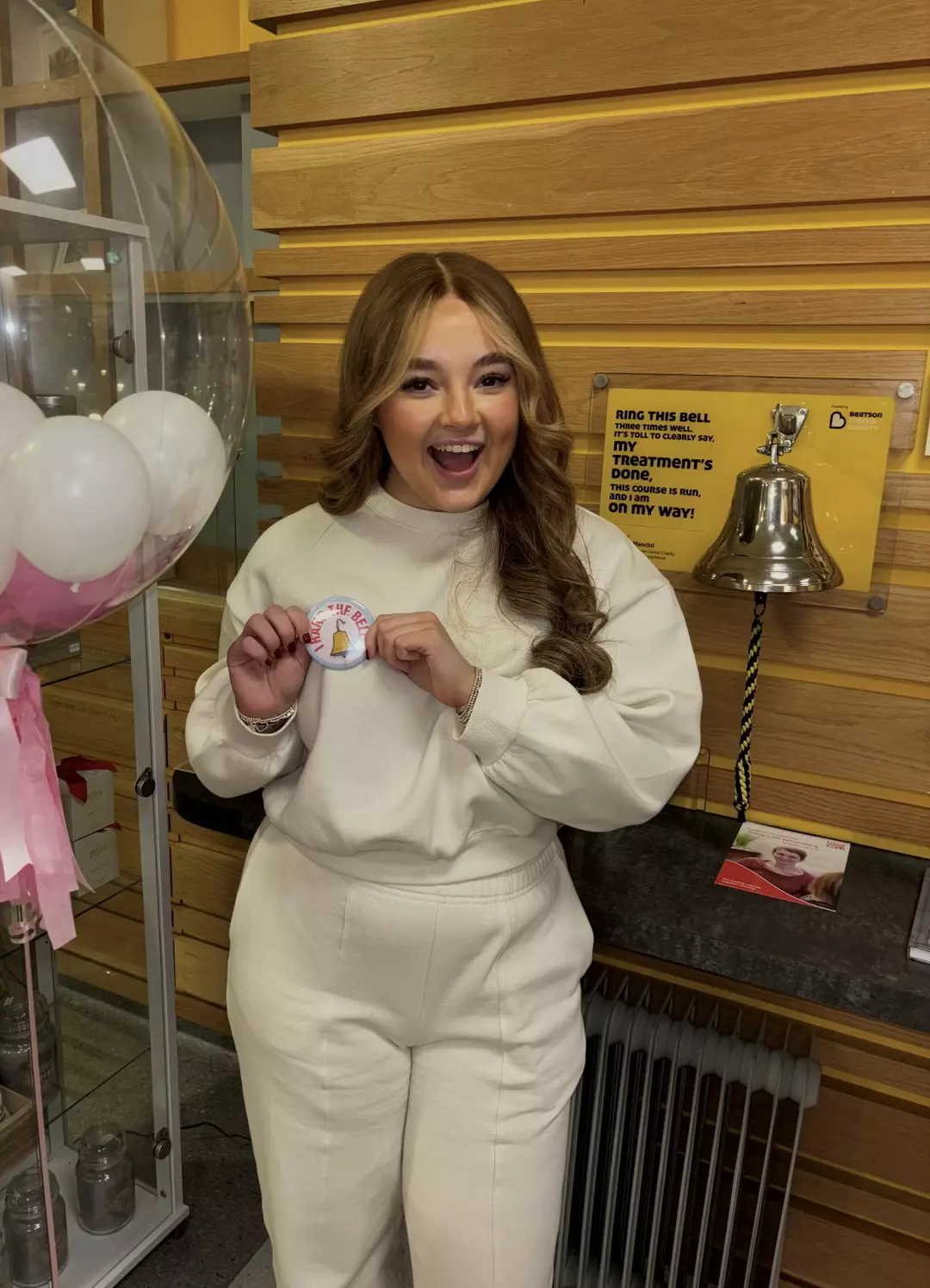
This time, she was told she would need a stem cell transplant. A donor was found in Australia, and in July 2025 she was admitted to the Queen Elizabeth University Hospital in Glasgow for the procedure—something she said was “the worst thing she’d ever endured”.
Now almost a year on and back in remission, Ayley said she had to isolate for three months after the transplant and dealt with severe medication side effects, including rashes and swelling around her eyes.
“I’m so grateful for the treatment I received, but the anxiety around relapse will never leave,” she said.
Despite everything, the 21-year-old said she has tried to find a meaningful takeaway, believing the experience will help her become a “better nurse”.
“I was really glad I was studying nursing as it made the medical terms so much easier and I could explain everything clearly to friends and family,” she said, and is now considering going in to oncology.
Fiona Hazell, Chief Executive, Leukaemia UK says she’s ‘extremely grateful’ that Ayley shared her story, adding: “Early diagnosis saves lives, so we want to make sure more people are aware of the signs and symptoms, and to contact their GP to ask for a Full Blood Count test if they’re experiencing them.”