


Warning: This article contains graphic descriptions and imagery of death that some readers may find upsetting
Death is surrounded by uncertainty, and while no one can say for sure what happens when life ends, there are people whose jobs bring them face-to-face with it every day — including dealing with the unmistakable odours that can come with it.
For many, death is a rare encounter. For others, it is a routine part of their working life, and over time they learn to approach it with a level of professional detachment.
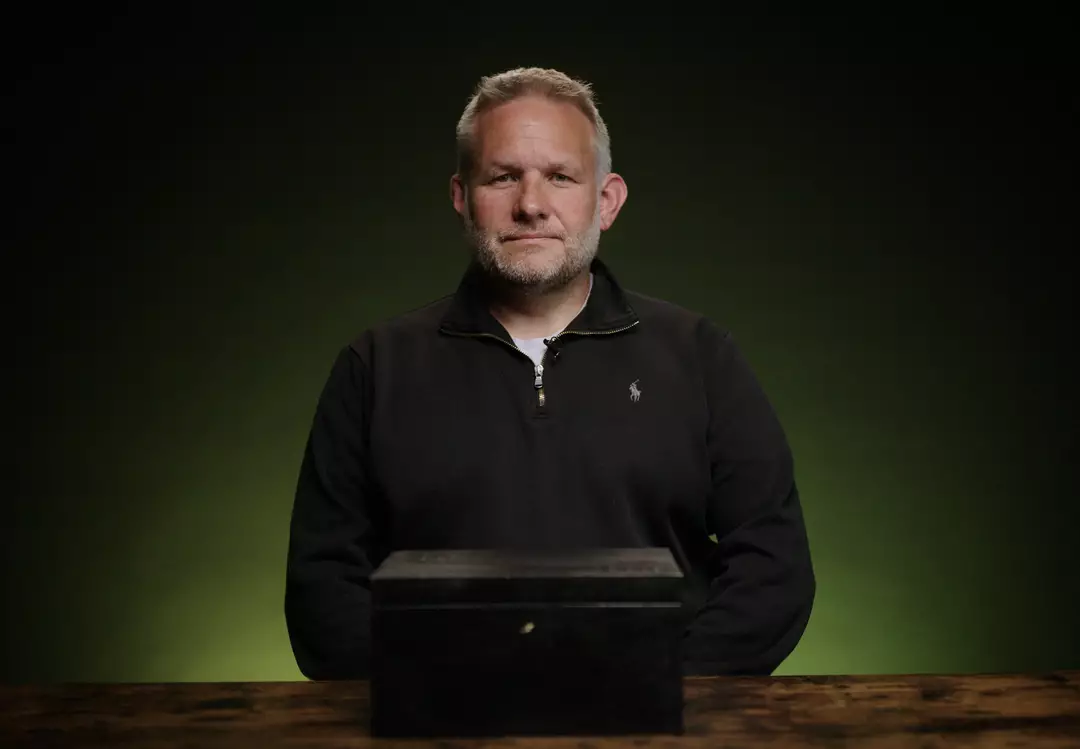
One person who knows that reality well is biohazard and crime scene cleaner Ben Giles, who has spent three decades working in the field.
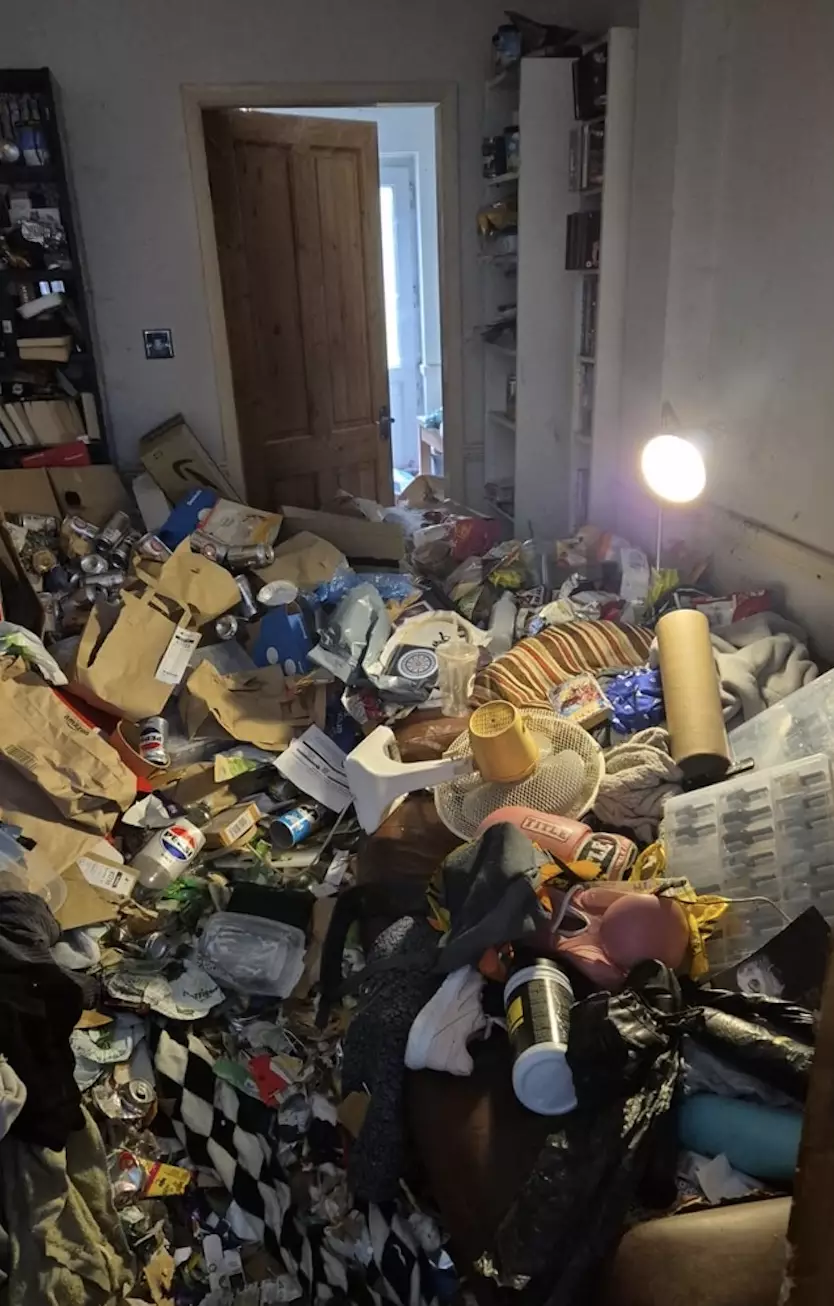
Based in West Wales, UK, Giles entered the industry after previously working as a window cleaner. Since then, his work has ranged widely — from assisting with the removal of a dead fin whale struck by a ship, to clearing an extreme hoarding property containing “20-30 tonnes” of rubbish and human waste.
Alongside those jobs, he has also attended disturbing crime scenes — a topic he recently discussed during an appearance on the outlet TV’s Honesty Box series.
During the interview, Giles was asked a question that many people have wondered about for years: what does death smell like?
“It depends on how the person has died,” Giles explained.
“If we are dealing with blood, this strong smell of iron, it’s the decomposition. It’s just that strong smell of kind of rotting flesh and body fluid that you’re hit with on every single scene.
“More often than not, there’s this kind of musty, damp smell as well. But yeah, it’s kind of pretty similar.”
He also said the size of a person can influence the intensity of the odour, describing how body fat plays a role in how strong things become.
“The body fat that you have… That malodor, is pretty horrendous. But you only get that obviously from a person who has got a lot of fat on them.
“I’ve been to scenes where there’s been little old granny who’s died, she weighs four, maybe six stone, there’s nothing off her. So no fat, therefore the fallout is just really minimal.”
When asked which type of body fluid is the most difficult to deal with, Giles said it was decomposition “without a doubt”.
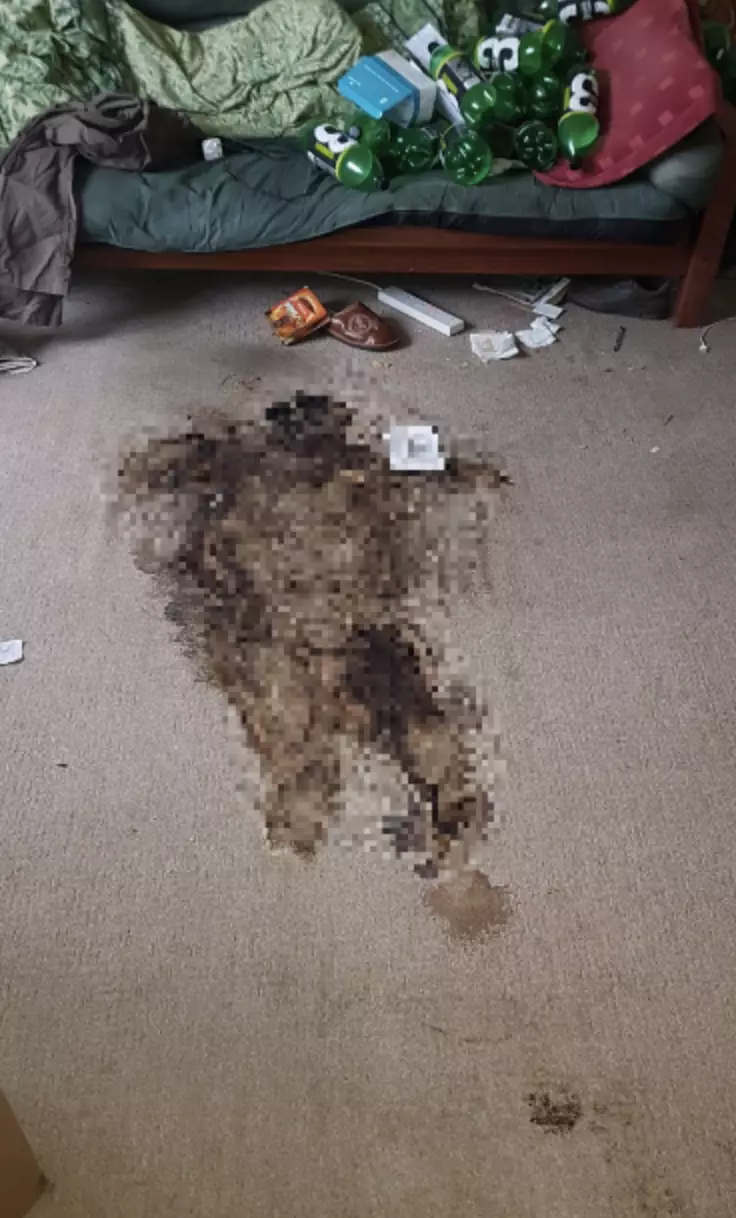
Reflecting on the difference timing can make, he said the situation becomes far more severe the longer a body is left undiscovered.
“So if you get to a scene where something’s happened very recently, then obviously body fluid is pretty easy to clean up.
“The longer it’s there, so in a decomposition it just gets worse and worse.”
He explained what that can look like in real-world conditions — and why it is so difficult to remove.
“If you’ve seen pictures, you see a very, very dark black kind of a gunk on those surfaces. And that is normally the body fat that is broken down.
“It’s mixed with acids from the stomach, various other body fluids, but the smell from that is absolutely horrendous.
Watch Giles’ full Honest Box episode below:
“It’s something that stays with you most of your life. That’s probably the worst thing to clean up.”
Giles then shared one particularly grim example, describing a case involving a man who died in an attic and how the fluids travelled through the property.
“We had a gentleman that passed away in the loft… He was a big chap, and the fallout from that was his body fluid had run all the way down to the ground floor, followed light switches, electrical cables, water pipes, and where it hit copper pipes that were hot central heating pipes.
“It started to kind of bake, and then you had this kind of horrendous smell in the property.”
Human decomposition refers to the process of the body breaking down after death. While temperature, environment, and other circumstances can change how quickly it happens, the sequence itself follows a consistent pattern and is typically described in five stages, as outlined by Trauma Services: