

Most people deal with a skin complaint at some stage — from psoriasis plaques to the dry, weeping irritation of an eczema flare — so it’s easy to brush off potential warning signs of something more serious as “just dry skin”.
But one doctor has warned that several symptoms commonly blamed on everyday skin conditions can, in some cases, point to skin cancer and should be checked rather than ignored.
Dr Donald Grant, a senior clinical adviser at The Independent Pharmacy, said: “Many skin conditions can cause irritation, inflammation or visible changes to the skin, which is why it can sometimes be difficult for people to recognise when symptoms may require further medical investigation.”
Skin cancer is often considered straightforward to spot, yet it’s frequently missed. In the US, there are around 10,000 diagnoses every day, and about one in five people will develop some form of skin cancer by age 70.
He continued: “While most cases are harmless and linked to common skin concerns such as eczema, psoriasis or dermatitis, persistent or unusual symptoms should never be ignored, particularly if they continue worsening or fail to respond to treatment.”
Dry skin on its own usually isn’t a sign of cancer — it’s often a sign you need to focus on hydration and moisturising. Still, experts say it’s worth paying attention to stubborn changes that don’t settle.
Dr Grant said: “Firstly, one symptom people should pay close attention to is persistent or dry scaly patches, which typically appear on areas frequently exposed to sunlight, such as the face, scalp, ears, neck, arms and hands.
“While these symptoms are often associated with common skin conditions such as eczema, they can occasionally indicate more serious concerns, including certain forms of skin cancer.”
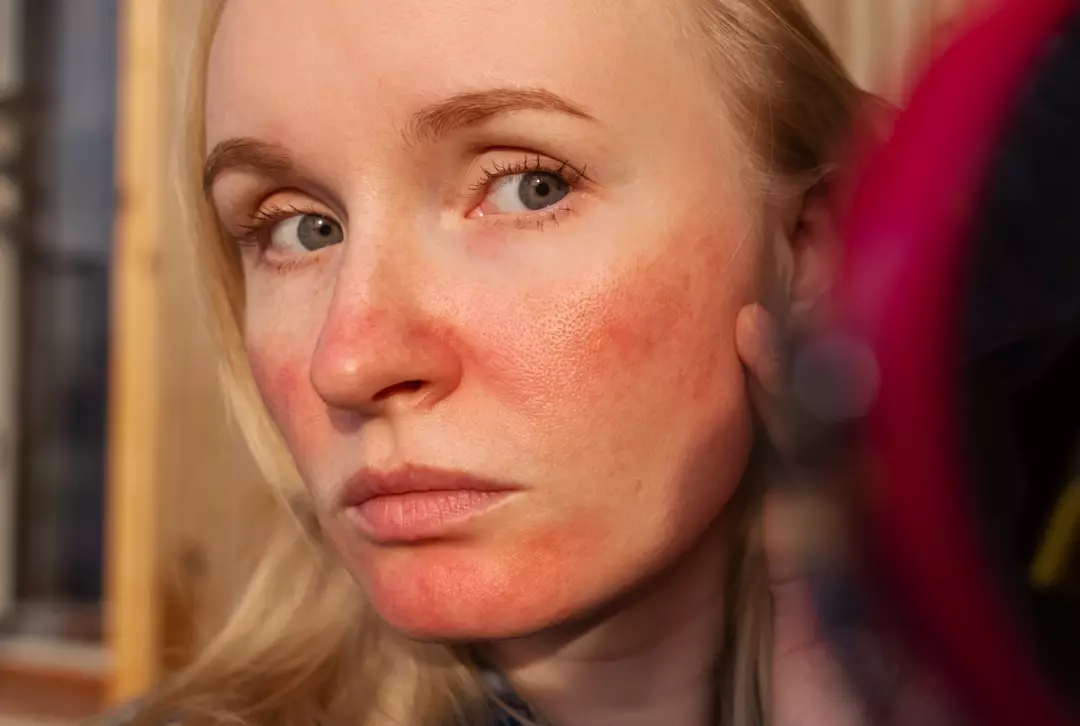
Facial redness can have plenty of benign causes, including alcohol, stress, heat, cold, or sensitive skin. However, ongoing redness that behaves like rosacea — especially if it worsens — is something that should be assessed.
Dr Grant explained: “A common sign of rosacea is persistent facial redness, but in some cases, this could also be a sign of something more serious, including certain forms of skin cancer.
“This redness typically appears across the cheeks, nose and forehead and may initially be mistaken for skin sensitivity, irritation or flushing. However, if symptoms continue to worsen, fail to improve with treatment, or develop alongside sores, bleeding, or texture changes, seeking further advice is essential.”
Psoriasis can also look alarming, but many people treat it at home and never have it formally checked. The problem is that some skin cancers can imitate inflammatory conditions, so changes that don’t fit your usual pattern deserve medical attention.
“Certain forms of skin cancer can also sometimes resemble psoriasis due to the appearance of dry, scaly or thickened skin patches,'” Dr Grant said.
“Psoriasis commonly affects areas such as the elbows, knees, scalp and lower back, but a professional should assess any patch that begins to change appearance, bleed or become painful.”
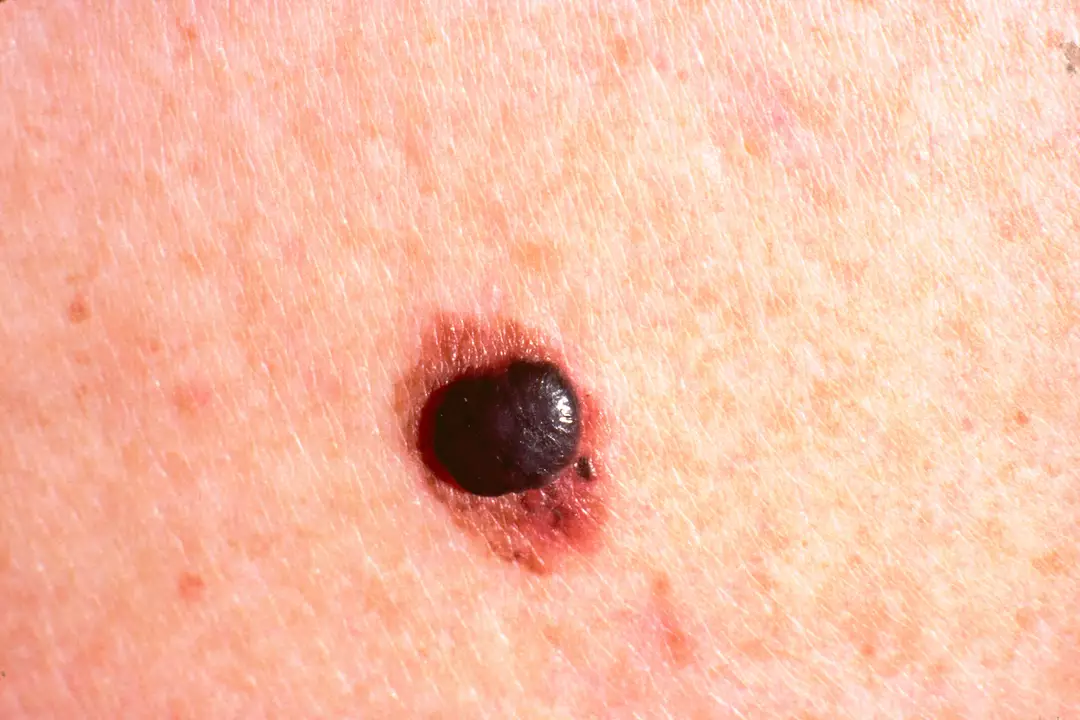
When people think about skin cancer, they often think of a mole changing shape or colour. But monitoring moles isn’t just about appearance — sensations and symptoms around a mole can matter too.
Dr Grant explained: “Finally, many people associate skin cancer with visible mole changes, but symptoms such as itching, tenderness or discomfort around a mole can also sometimes be warning signs.
“These symptoms are often mistaken for irritation, allergic reactions or minor skin sensitivity. If a mole becomes painful, starts bleeding, changes colour or develops irregular borders, it could signify something serious, such as cancer.
“Overall, it can be easy to mistake skin changes for common conditions, such as eczema, psoriasis, acne or rosacea. However, persistent symptoms that continue worsening, fail to improve with treatment or noticeably change over time should never be ignored, as early detection remains extremely important when treating skin cancer effectively.”
If you’ve been affected by any of these issues and want to speak to someone in confidence, contact the American Cancer Society on 1-800-227-2345 or via their live chat feature, available 24/7 every day of the year.