

A recorded phone call between Mackenzie Shirilla and her mother, Natalie Shirilla, has offered a rare glimpse into her day-to-day reality in custody — and the anxieties she’s carrying as she serves her sentence.
Shirilla was handed a 15-year prison term in 2023 after being found guilty of the murders of her then-boyfriend Dominic Russo and her friend Davion Flanagan.
She was 17 when the fatal crash happened, after driving at 100 miles per hour into a wall. Shirilla has maintained she blacked out and did not intend to kill either of them.
The case is revisited in Netflix’s documentary The Crash, which includes interviews with her parents. Their participation has drawn significant criticism since the documentary’s release.
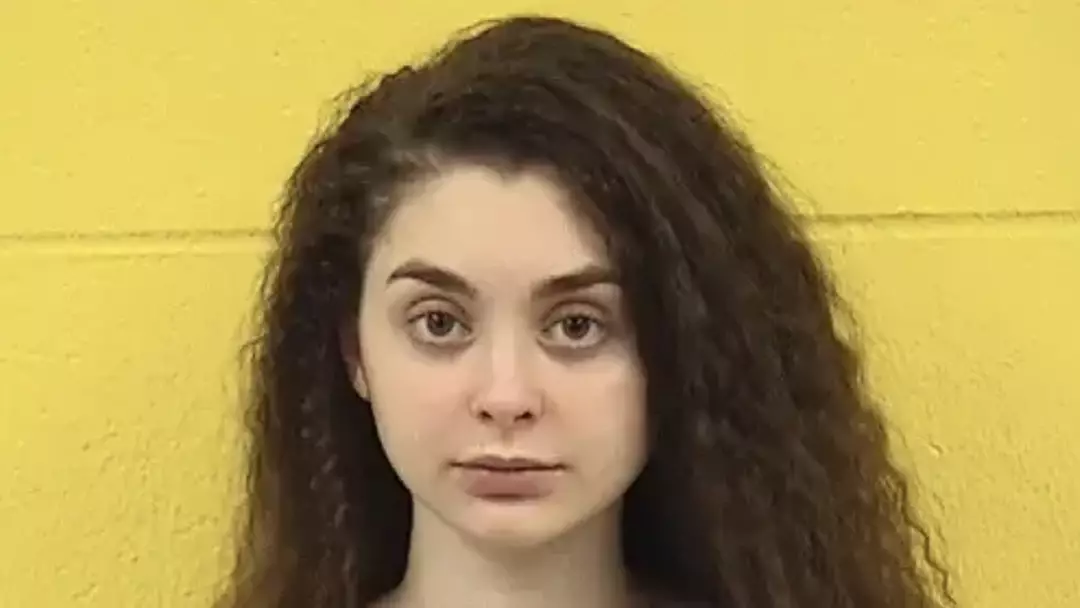
In audio, Shirilla discussed what she says life is like inside the Cuyahoga County Jail, including her concerns about what her future could look like after release — particularly whether she’ll be able to have children.
She told her mother she “doesn’t want to live here with these people,” referring to others incarcerated for serious crimes.
“But anyway, since you have to spend time there, we all knew you were going to anyway, it doesn’t sound so, so bad,” Natalie replied.
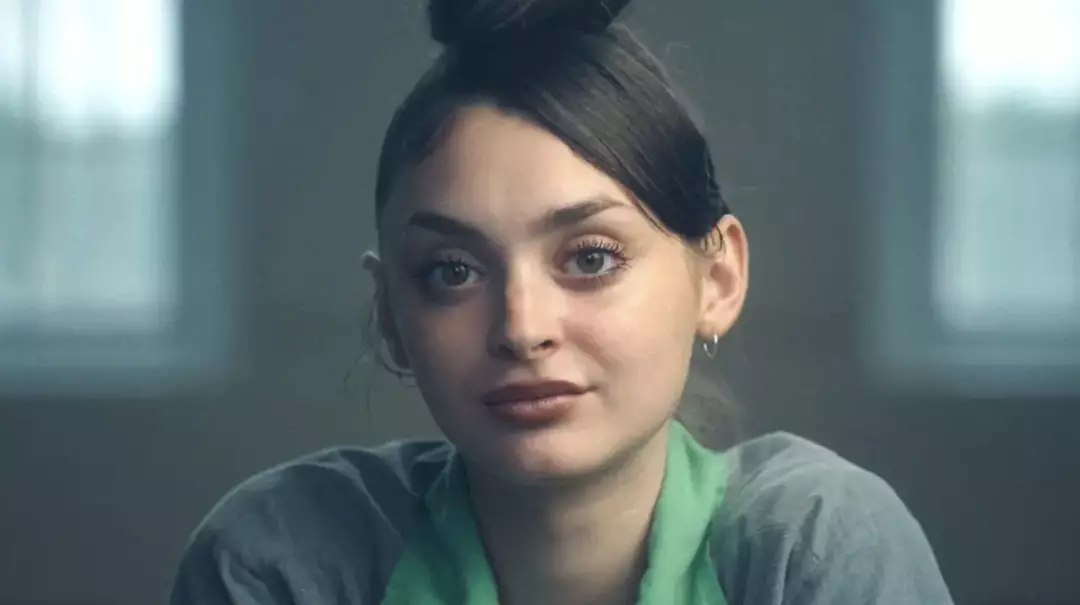
As the conversation continued, Shirilla spoke at length about her fear of what happens when she eventually gets out, and the life she assumes she’ll be left with by then.
“I feel like I want to live off the grid, like, and I’m just — I’m just I’m thinking about like how I’m just gonna be like old when I get out of jail and like, I don’t know, like I’m not gonna be able to have kids or like a family and s*** like that,” Shirilla said on the phone call.
Natalie responded by urging her daughter to stop spiralling into that line of thinking, telling her to “not go there.” Shirilla then replied: “I know, it’s hard not to.”
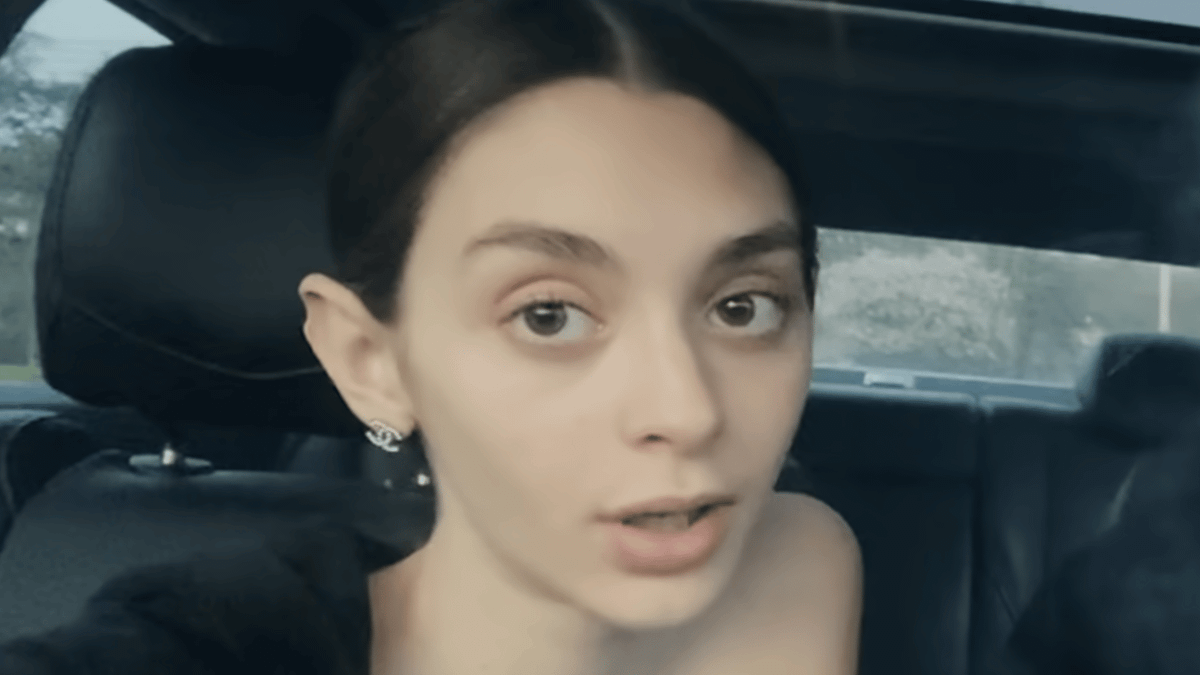
Separately, former Ohio prison inmate Kat Crowder has claimed she spent time around Shirilla while incarcerated, and later shared her account in a TikTok video.
Crowder alleges the version of Shirilla shown in the documentary didn’t match the person she encountered behind bars.
“When I was in prison with her, it was at the beginning of her sentence, and the Mackenzie that came on to Netflix was not the same Mackenzie that I witnessed in prison,” Crowder said.
“She thrived for fame, even when I was in prison with her, she thought she was going to be the representative of the prison.”
Crowder went on to claim there was no visible sign of remorse during that period.
She continued: “Let me tell you something, Mackenzie Shirilla did not walk around that prison yard with an ounce of remorse.
“Mackenzie did not walk around that prison yard thinking about those lost loved ones that she claimed to think about every single day. [She] walked around the prison thinking, how is she going to get in with the cool kids?”