

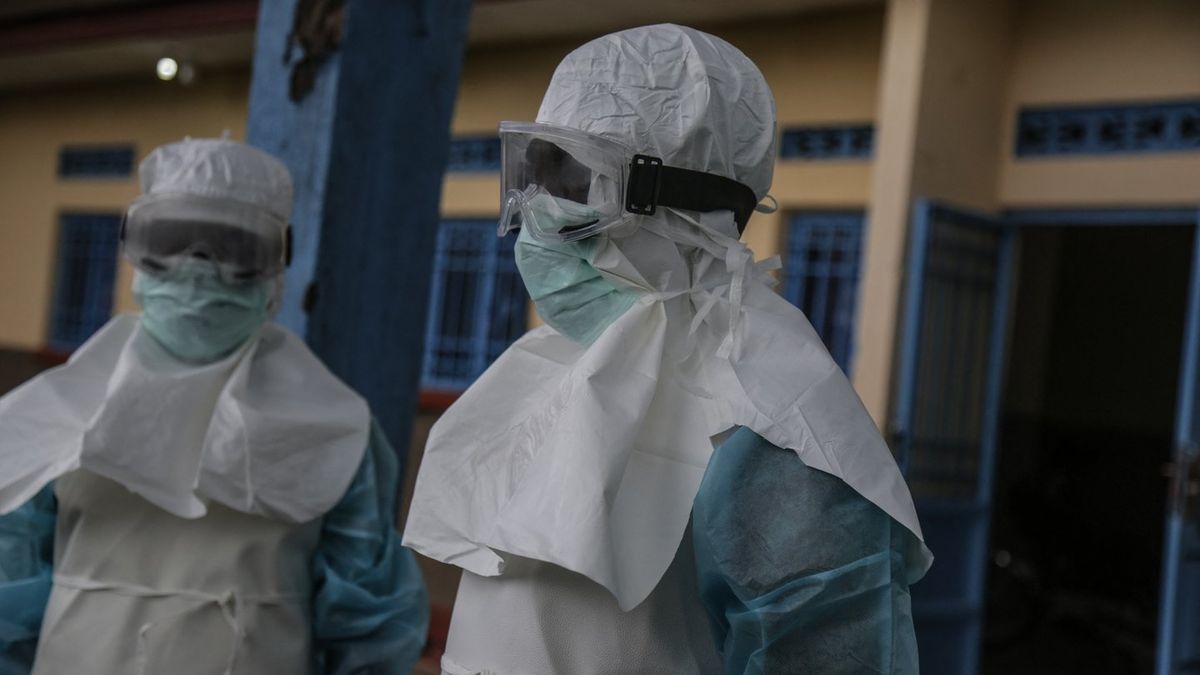
With international alarm growing about the latest Ebola outbreak affecting parts of Africa, the CDC has introduced immediate limits for people who have been in certain countries within the last 21 days.
The policy is aimed at travelers who have visited — or who are nationals of — the Democratic Republic of Congo, Uganda, and South Sudan.
Under the new rules, citizens of those countries will be temporarily prevented from entering the United States. Meanwhile, US citizens, US nationals, and lawful permanent residents who have been in any of the listed countries during the previous three weeks can still return, but they will face extra health checks and additional measures designed to identify possible infection.
The CDC says the move is short-term and is currently scheduled to last for 30 days while officials carry out a public health risk assessment and work with partner agencies on steps to reduce risk.
Officials hope the restrictions will reduce the chances of Ebola being brought into the US.
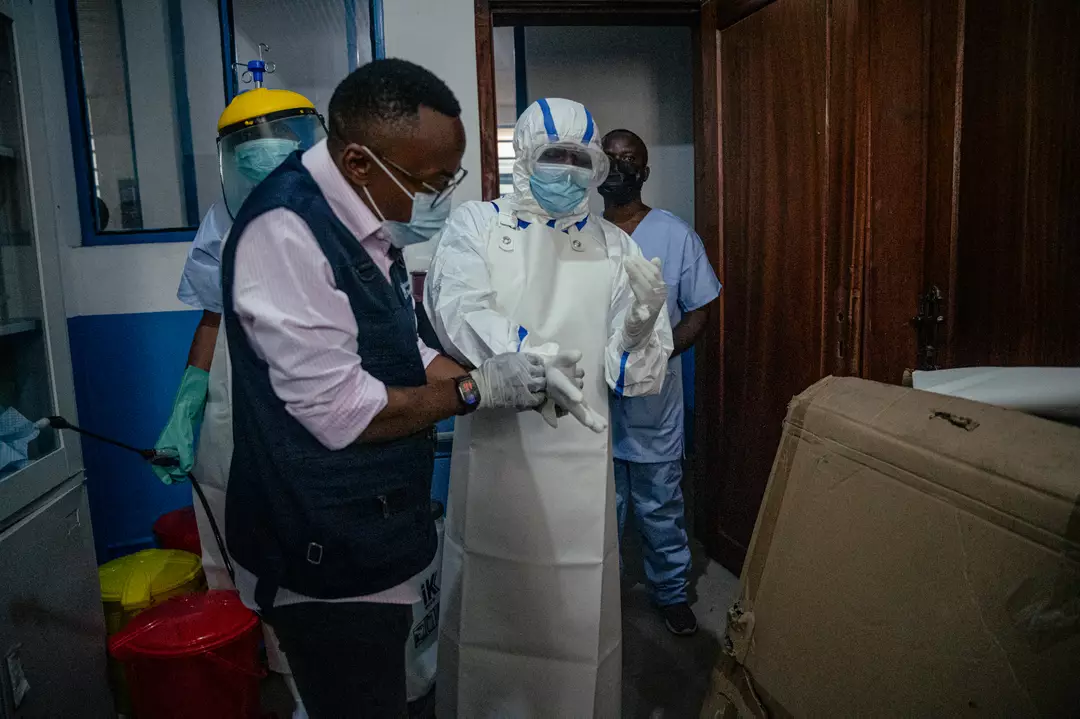
Ebola virus disease is a severe but uncommon illness that is typically seen in certain regions of Africa. Infection can occur through contact with the bodily fluids of someone who is infected, or through exposure to infected wild animals.
Symptoms may begin anywhere from two to 21 days after exposure. They often come on quickly and can resemble the flu, including fever, intense fatigue, and headaches.
Other symptoms include:
People who are allowed to enter the United States after recent travel to the DRC, South Sudan, or Uganda will be subject to enhanced public health screening at entry points.
The process includes a short set of questions about recent travel and symptoms, along with standard vital-sign checks such as temperature screening using non-contact thermometers.
In addition, CDC staff will watch travelers for visible signs of illness.
Those who do not show symptoms will be given guidance on how to monitor their health for 21 days after leaving the affected areas.
If a traveler shows signs or symptoms linked to Ebola, they will undergo a more detailed review by a CDC public health officer. If that evaluation indicates the person could be infected, they will be transported to a hospital for further assessment and isolation.

There are currently no suspected, probable, or confirmed Ebola cases in the United States, and public risk is still considered low. However, with case numbers rising in the affected nations, authorities say precautions are necessary to help prevent the virus from spreading to the US.
Donald Trump also recently addressed the potential threat, saying: “I’m concerned about everything, but certainly [I] am [concerned]”.
He told reporters.“I think that it’s been confined right now to Africa, and but it’s something that has had a breakout.”
The present outbreak began in Bunia, the provincial capital in the Democratic Republic of the Congo, on 24 April, and is reported to have started with a nurse identified as the first known case.
According to the WHO, as of May 16 there were eight laboratory-confirmed cases, 246 suspected cases, and 80 reported deaths in Ituri Province.
More recent reports say DRC health officials have since cited 131 deaths and 513 suspected cases.