

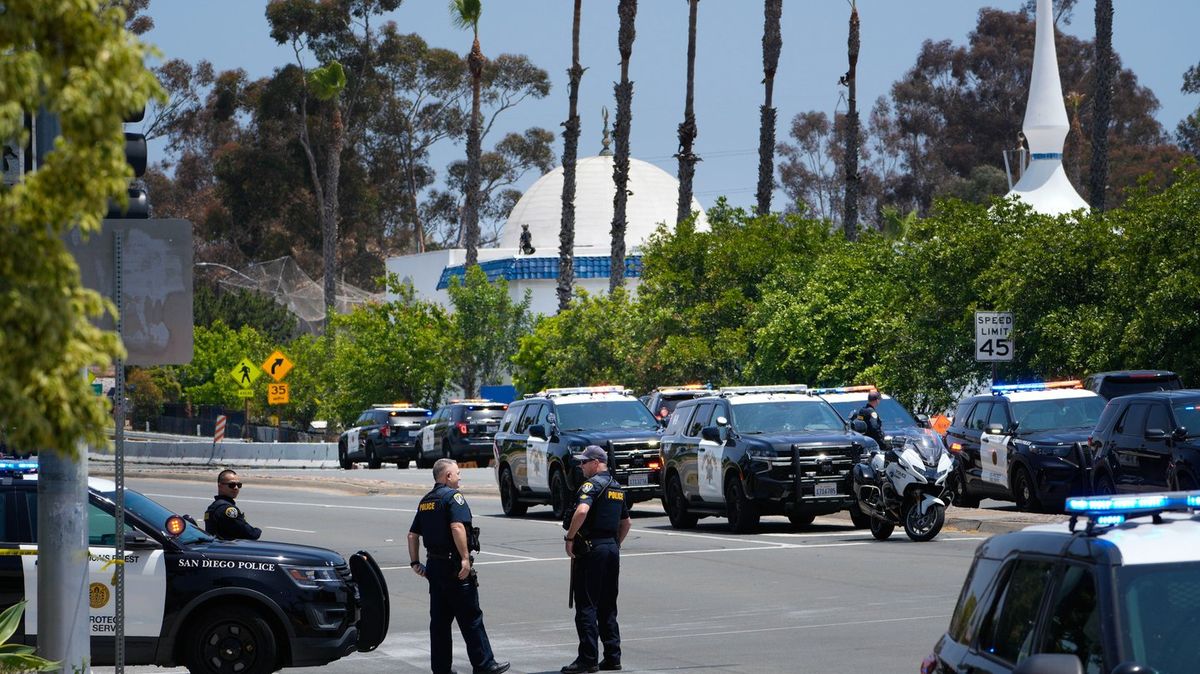
The family of 18-year-old Caleb Vazquez, one of the two teens responsible for the fatal shooting of three men at the Islamic Center of San Diego, says his path toward extremism was driven by hateful material he came across online.
Authorities say Vazquez, 18, and 17-year-old Cain Clark entered the mosque on Monday and opened fire, killing three men before escaping in a white BMW.
The attack was livestreamed in full, according to investigators. It ended when Clark shot Vazquez twice in the head and then took his own life.
In a statement release through attorney Colin Rudolph, Vazquez’s family said: “We want to begin by acknowledging that nothing we say or do could ever repair the damage his actions have caused.
“We are completely heartbroken and devastated by what has happened. We condemn these hateful and violent actions entirely.”
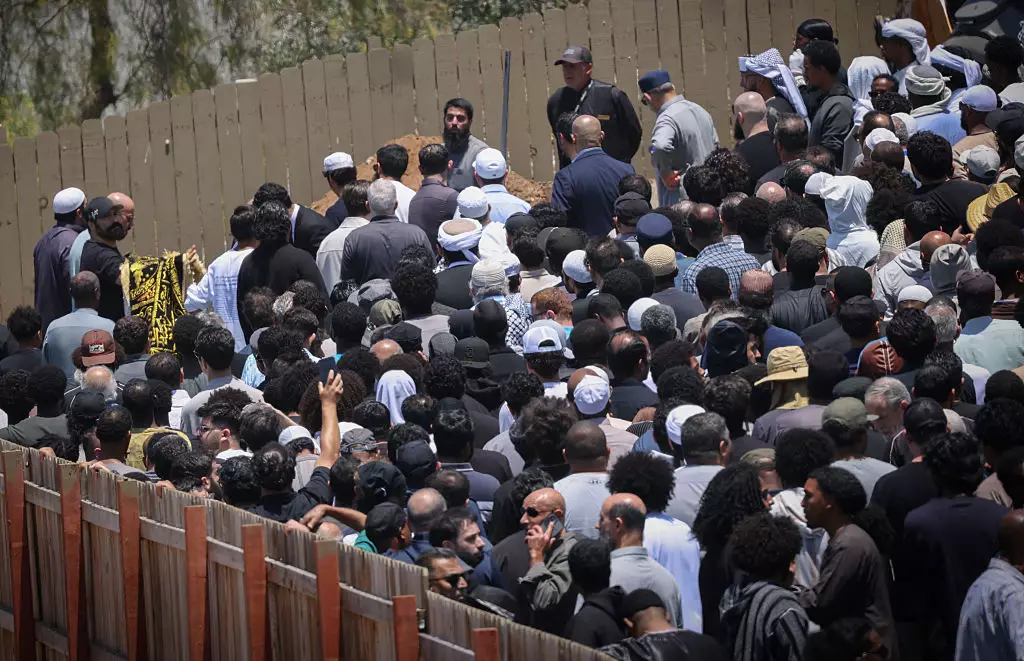
The victims were identified as security guard Amin Abdullah, 51, teacher Nadir Awad, 57, and mosque caretaker Mansour Kaziha, 78. They were remembered during a prayer service at Snapdragon Stadium on the San Diego State University Mission Valley Campus, where hundreds gathered to mourn. Those in attendance prayed near the men’s bodies before they were transported to La Vista Memorial Park in National City. The three were buried side by side.
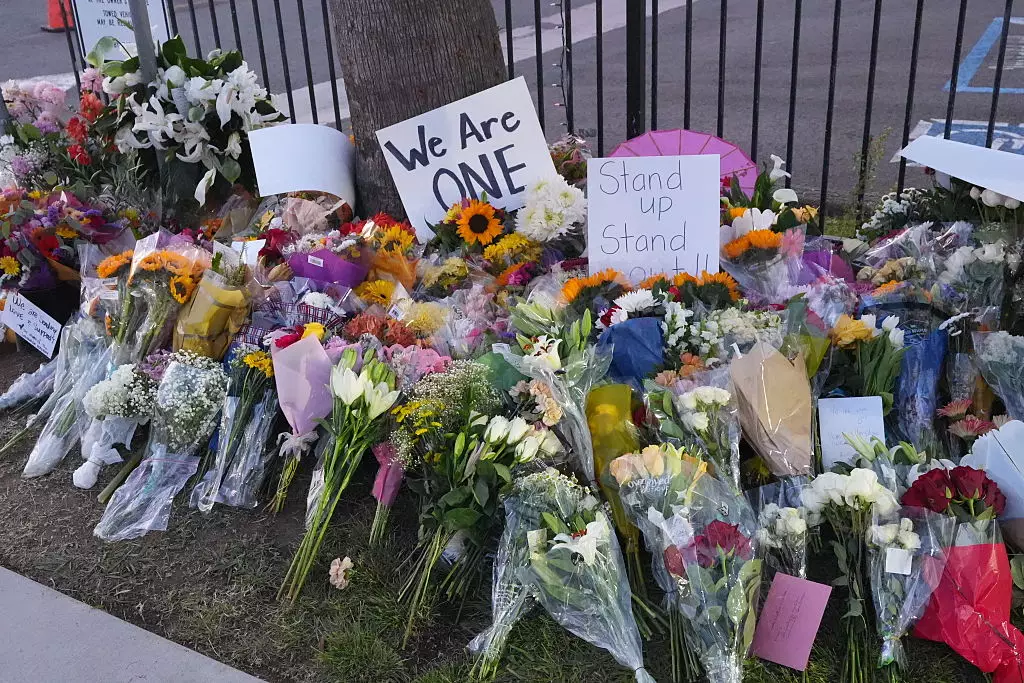
“Three heroes martyred at the Islamic Center of San Diego protecting our children,” read a message posted on the Islamic Center’s website.
Police credited Abdullah—who confronted the gunmen as they came in—with likely preventing a much higher number of deaths. His daughter said he sometimes went without eating during shifts because he feared “something bad would happen.” Kaziha had served at the mosque since it was established in the 1980s. Community members said all three men helped draw the attackers away from worshippers inside the building.
In their statement, Vazquez’s relatives said his autism contributed to his susceptibility to radicalisation online, explaining that he “struggled not only with accepting parts of his own identity but also grew to resent them.”
“We believe this, combined with exposure to hateful rhetoric, extremist content, and propaganda spread across parts of the internet, social media, and other online platforms, contributed to his descent into radicalized ideologies and violent beliefs,” the statement read.
“While there is no excuse for his actions, we have come to recognize how dangerous online spaces are that normalise hatred.”
Investigators say the two shooters first connected online and later realised they both lived in San Diego. FBI special agent in charge Mark Remily said initial findings indicate they were radicalised through internet content and held a “broad hatred” toward many races and religions, adding: “they didn’t discriminate on who they hated,” he said.
Officials also allege the pair created a 75-page manifesto containing Islamophobic, antisemitic, and extremist material, and inscribed racist slogans—including “Race War Now”—on their weapons.
Vazquez’s family said they had repeatedly tried to get him help amid what they described as his “mental instability,” while also acknowledging: “We will forever live with the burden of wondering whether there was more we could have done to help prevent this senseless tragedy.”
“We can only pray that his actions and words do not inspire or incite further hatred or violence toward any community,” the statement concluded.
“They were the actions of an immensely lost, troubled, and misguided soul.”