

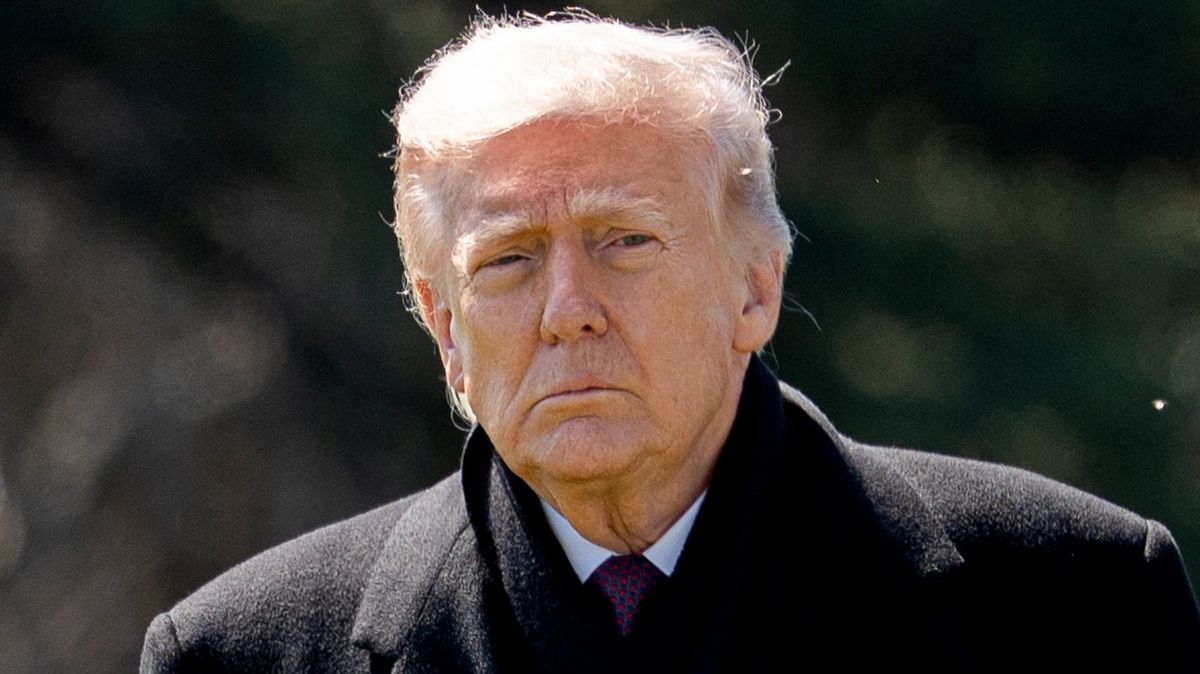
The ongoing conflict between President Trump, Israel, and Iran has rattled markets in recent months, and Americans are feeling the fallout most directly when they pull up to the gas pump.
With Tehran shutting the Strait of Hormuz — a critical corridor that carried roughly a fifth of the world’s oil and gas before the latest strikes — the move has become one of Iran’s most disruptive levers, inflicting economic pain far beyond what missiles or drones typically achieve.
Now in its twelfth week, the U.S.-Israel campaign has coincided with persistently elevated fuel costs at home, and drivers have yet to see anything resembling relief as prices edge toward record territory.
Despite that pressure on household budgets — especially for the roughly 90 percent of U.S. Households that own at least one vehicle — the president has indicated that the financial strain at the pump ranks far below the administration’s objectives in the region.
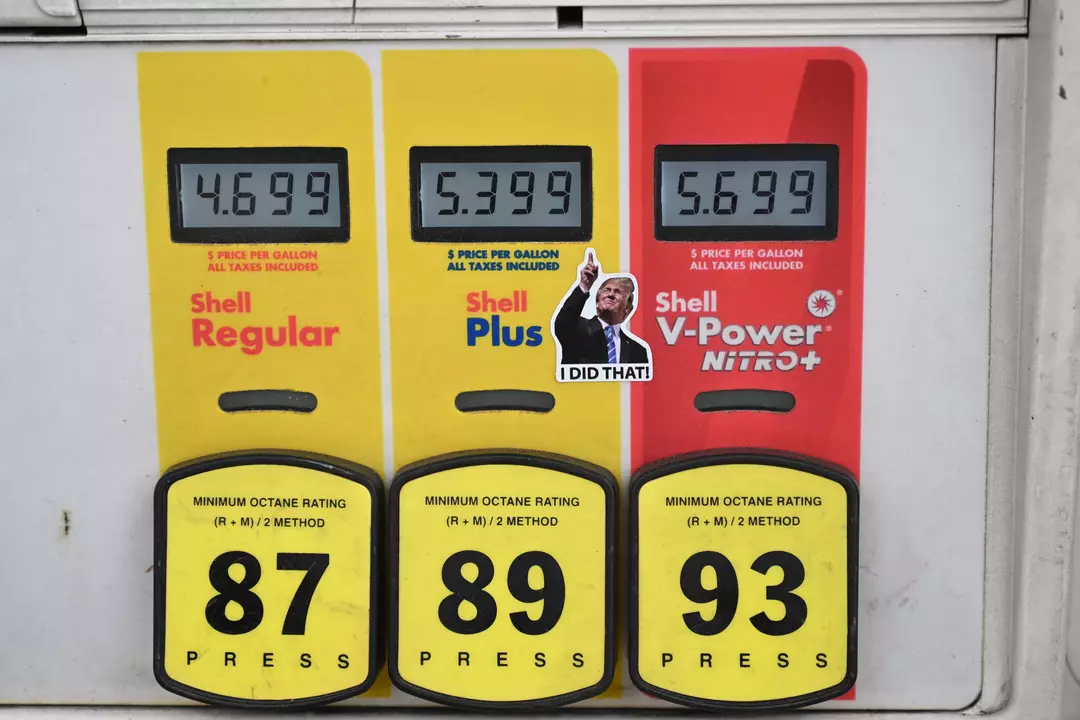
Asked by reporters on Tuesday about rising gas prices, Trump steered the discussion back to Iran, signaling that the cost-of-living impact was not his immediate focus compared with the military and strategic stakes overseas.
“We have to do something with Iran. We cannot let them have a nuclear weapon,” Trump said. He then turned on the question about gas prices, saying: “You want to see the world exploded? You want to see a problem? This is peanuts.”
That posture aligns with remarks he made the prior week, when he was explicit about what he prioritizes while the conflict continues.
“I don’t think about Americans’ financial situation. I don’t think about anybody. I think about one thing. We cannot let Iran have a nuclear weapon. That’s all,” President Trump told the media, May 12.
Still, with November’s elections approaching and Republicans facing a potentially difficult midterm environment — compounded by a drop in national polling after the bombing campaign began — the political consequences of higher fuel costs may be hard to ignore.
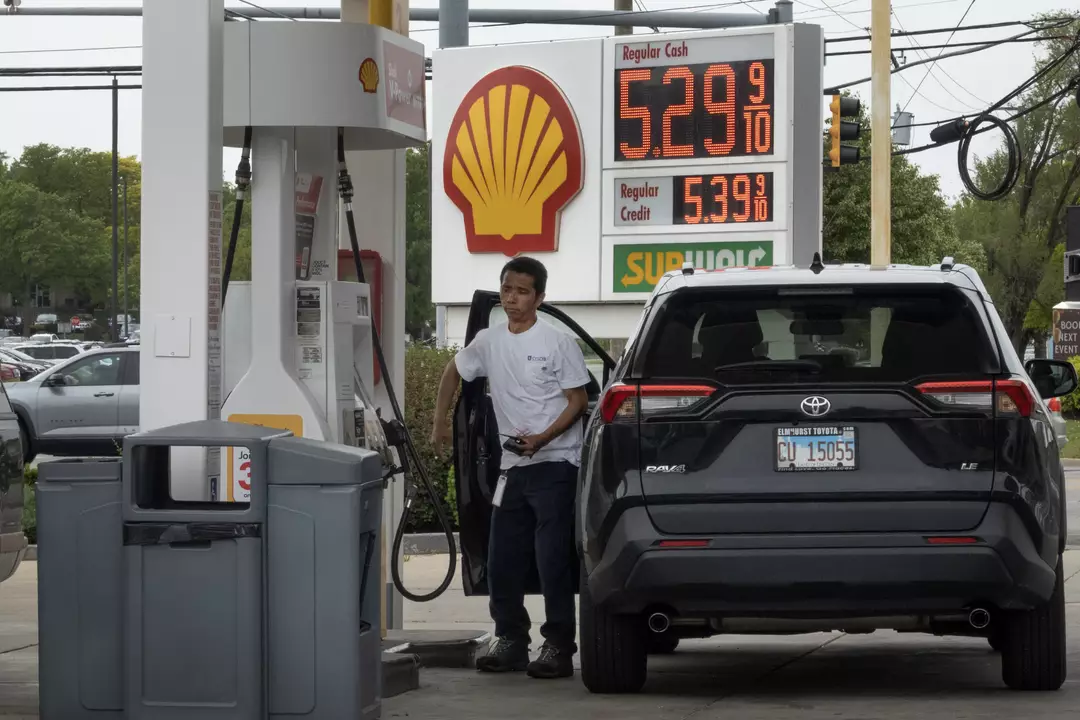
As an estimated 45 million Americans traveled by road over Memorial Day weekend, the national average hit $4.66 per gallon, according to AAA. When the war with Iran began, the average price was $2.88 per gallon.
The current level stands as the second-highest pump price on record, trailing only the surge that followed Russia’s invasion of Ukraine, and it is already adding hundreds of dollars in extra costs for typical drivers.
For many households already constrained after years of inflation, the increase is substantial: the average motorist is now spending about $706 more per year on fuel as a result of elevated prices.
Separate analysis from iSeeCars found prices jumped 46 percent between January and the end of April, with larger vehicles absorbing the steepest increases.
By their estimates, drivers of the Toyota Sequoia are paying roughly $1,623 more per year to stay fueled, while other large SUVs are seeing annual fuel costs rise by around $1,500.
Over the same timeframe, electric-vehicle owners experienced a comparatively minor change, with the cost of charging increasing by about $11 annually.