

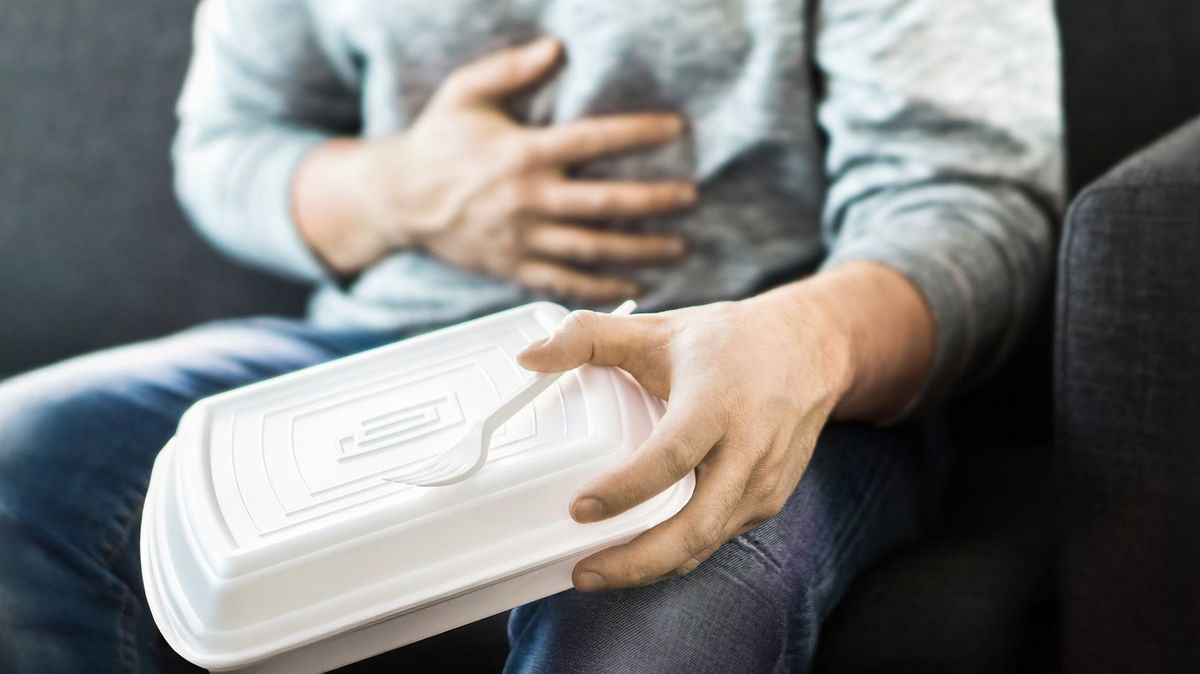
Health authorities say they have not been able to identify where a deadly foodborne outbreak started, despite it sickening more than a dozen people in the US.
So far, at least 16 illnesses have been connected to this unexplained Salmonella outbreak. Salmonella is a very common bacterium that typically spreads when food is contaminated with microscopic traces of human or animal feces.
Under usual circumstances, the Food and Drug Administration (FDA) works to pinpoint the contaminated product behind an outbreak and, when necessary, issues a recall to reduce the risk of additional cases.
While investigators still haven’t found the source, officials have confirmed which strain is responsible for making at least 16 people ill with symptoms including diarrhea, severe stomach cramps, and fever.
The organism involved is Salmonella Typhimurium. This type is often associated with wild animals and raw meat, unlike Salmonella Enteritidis, which is more frequently linked to poultry and eggs.
Illness from Salmonella Typhimurium can begin within 12 hours to three days after exposure. Common symptoms include vomiting, diarrhea, and high fever, and they usually last from about four days up to a week.
Because some Salmonella infections are becoming harder to treat with standard antibiotics, health experts recommend getting medical care quickly if a fever rises above 101.5F, or if vomiting and diarrhea continue for longer than three days.
In an online update, the FDA said it is speaking with people who have been infected as part of its effort to trace the outbreak back to a specific food or supplier.

Officials also noted that reported cases likely represent only a fraction of the true spread. They estimate that for each confirmed infection, another 29 people may have been sickened—suggesting the total could be around 464 cases tied to the same contaminated source.
To reduce the risk of Salmonella and other foodborne infections, the CDC urges people to wash their hands and stick to safe food-handling practices.
That includes heating leftovers to 165F (75C) to destroy bacteria, and cooking larger cuts of meat until the center reaches at least 145F (63C), then allowing it to rest for three minutes before slicing.
The CDC also advises: “Keep raw or marinating meat, poultry, seafood, and eggs separate from all other foods. Store raw meat, poultry, and seafood in sealed containers or wrap them securely so the juices don’t leak onto other foods.”
Salmonella exposure can also come from untreated natural water sources, contact with live animals, and consuming unpasteurized milk or juice.