

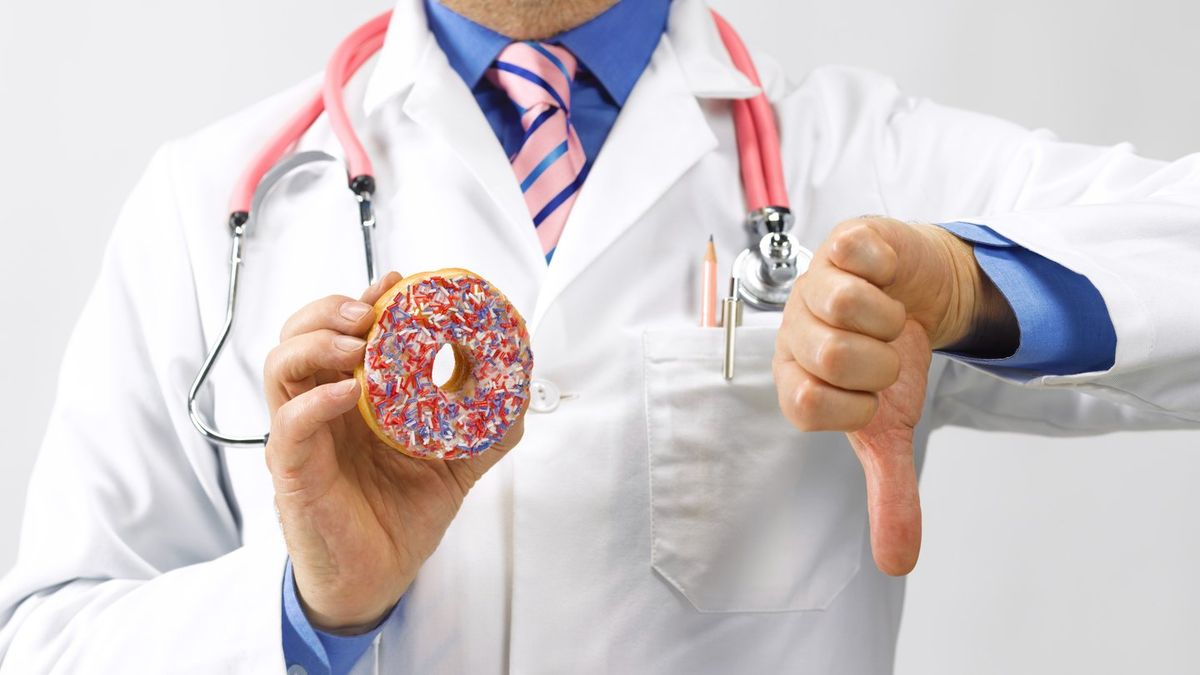
Warning: This article contains discussion of cancer which some readers may find distressing.
Scientists have uncovered cancer-causing chemicals that are hidden in many common foods, particularly those cooked at high temperatures.
With more than 200 forms of cancer identified, researchers have spent decades working toward better treatments and, ultimately, cures.
In recent years, progress has accelerated in areas such as vaccines designed to teach the immune system to identify and destroy specific cancer cells. According to the National Institutes of Health, several of these approaches are moving quickly through clinical trials, and some may become widely available in the near future.
Even so, many specialists continue to emphasise that reducing risk in the first place remains one of the strongest tools for protecting health.
Cancer risk can be influenced by genetics, environment, and lifestyle, but scientists have also highlighted certain harmful compounds that can be introduced through everyday foods.
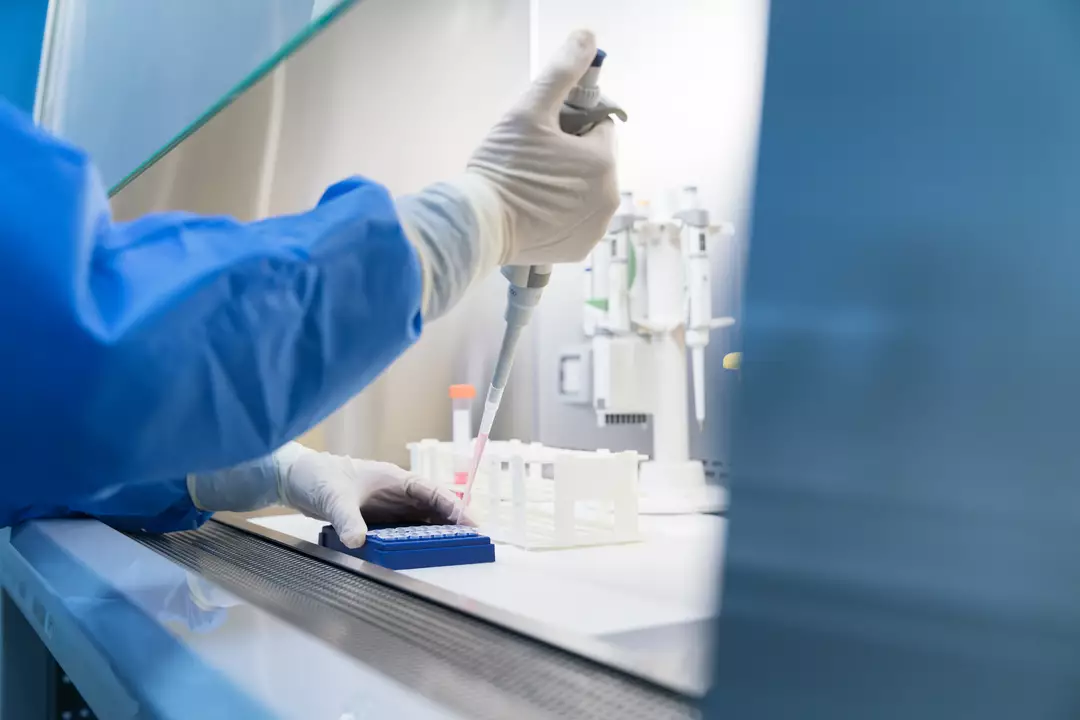
A team at Seoul National University of Science & Technology has developed a rapid food safety test aimed at spotting these substances more efficiently—particularly those associated with grilled items and processed products.
While many people scrutinise their diets to manage weight or support overall wellbeing, experts warn that the issue isn’t limited to “junk food.” Even foods considered wholesome may contain contaminants that aren’t visible or easy to detect.
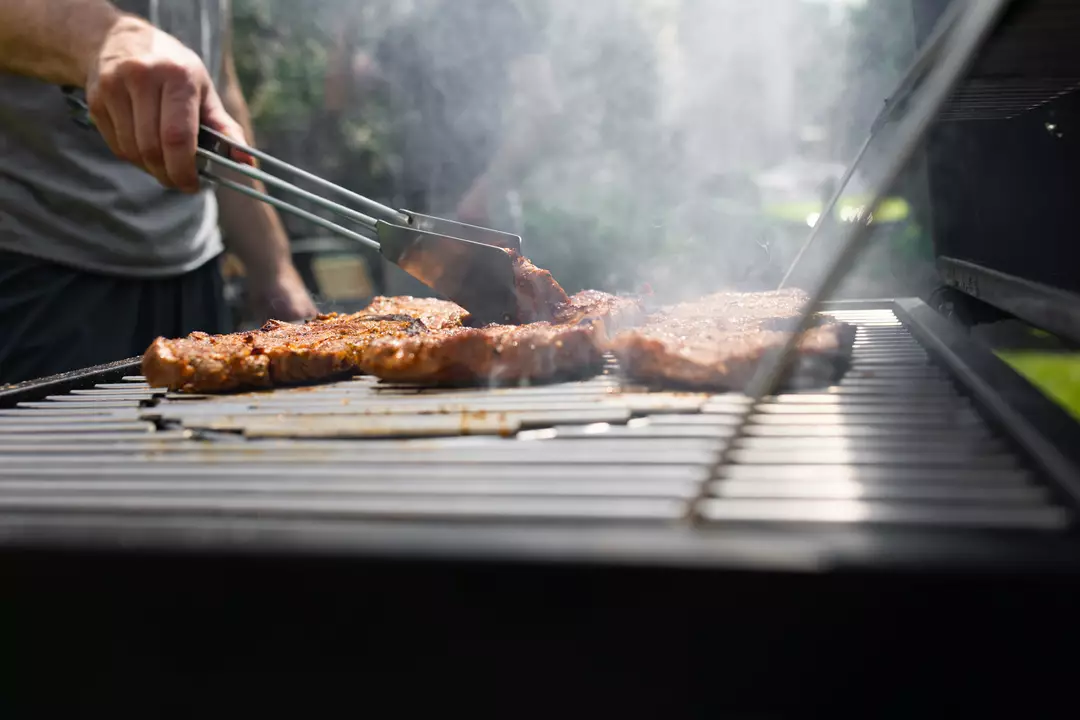
Some of these compounds can find their way into food via environmental exposure. Others are produced during cooking—especially when food is subjected to intense heat through methods like smoking, grilling, roasting, and frying.
The researchers focused on a group of chemicals known as polycyclic aromatic hydrocarbons (PAHs), which include substances linked to cancer risk.
Identifying PAHs in food, however, is challenging, and conventional testing can be complex and resource-intensive.
In their analysis, the study noted that the highest PAH readings among the tested items were found in soybean oil, with duck meat and canola oil also showing elevated levels.
The National Cancer Institute explains that PAHs can form when meat fat and juices drip onto hot surfaces or open flames. The resulting smoke can carry PAHs back onto the food.
PAHs may also be present in foods that are heavily browned or charred, such as burnt toast, overcooked bacon, and burgers cooked over charcoal. Beyond food, these compounds are also associated with cigarette smoke and vehicle exhaust.
Joon Goo Lee, professor at the Department of Food Science and Biotechnology at Seoul National University of Science and Technology, said: “Our research can improve public health by providing safe food.
“It also reduces the use and emission of hazardous chemicals in laboratory testing.”
The team said their findings highlight the importance of testing that accounts for specific foods, since PAH concentrations can shift depending on ingredients, manufacturing processes, cooking techniques, and exposure to pollutants in the surrounding environment.
If you’ve been affected by any of these issues and want to speak to someone in confidence, contact the American Cancer Society on 1-800-227-2345 or via their live chat feature, available 24/7 every day of the year.