


A wellness coach and self-described health devotee has died after taking frog poison during a controversial ‘detox’ ritual that has been gaining attention for its shamanic-style “cleansing” claims.
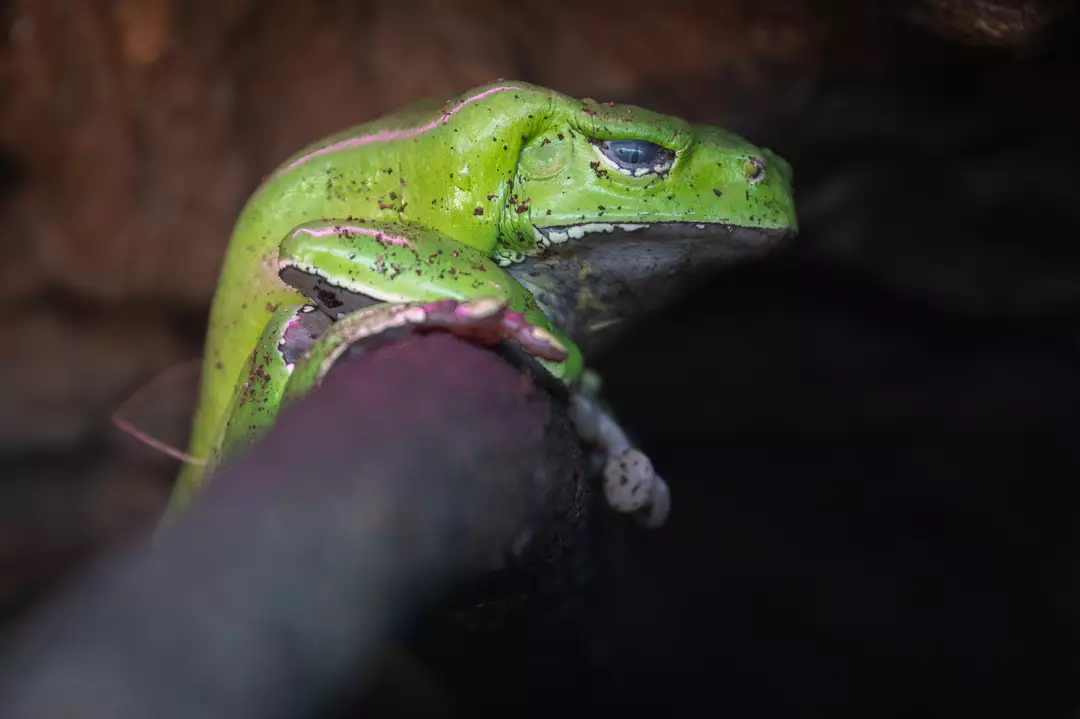
Krystian Trend, 40, collapsed at his home after using a toxic substance made from the skin secretions of the giant leaf frog. The secretion is processed into a product commonly referred to as ‘Kambo’, which has historic roots in ceremonial practices among some Amazonian communities.
In modern settings, the poison is typically placed on small burns on the skin to help it enter the body. The ritual is often associated with a racing heartbeat and intense vomiting—responses that proponents describe as part of the intended “purge”—though reports and medical warnings have also linked it to severe outcomes including psychosis, toxic hepatitis, and organ damage.
Trend, a cancer survivor from England, is believed to have been participating in one of these “purging” ceremonies. His mother, Angie, said he had become more spiritual in recent years and was looking to “cleanse himself.”
In comments given to the Telegraph, Angie spoke about her son’s health-focused lifestyle and the uncertainty surrounding what happened:
“He took a lot of vitamins. But I don’t know what happened.
“We haven’t had the test results back yet. I don’t know anything, and I don’t even think I want to know what happened. It won’t bring him back.”
His death comes after he previously overcame Burkitt lymphoma, a rare cancer that required months of hospital treatment. Following his recovery, he became a vocal supporter of alternative approaches to wellbeing.
Reports said Trend reflecting on his diagnosis and the direction his life took afterward:
“At 23, I was given up to six months to live without intensive treatment. A rare cancer diagnosis forced me to choose: live in fear, or surrender to a higher purpose.
“After much travelling through India and Asia immersed in holistic wellness and meditation, the path became clear.”

In April, he was taken to hospital after becoming unwell at home. Blood tests are still being processed to establish the precise cause of his collapse and death. Police have arrested a 41-year-old man on suspicion of administering the harmful substance.
Kambo is often promoted as a detox method and is sometimes framed as a remedy for a wide range of conditions, despite being regarded by medical experts as lacking scientific support and carrying serious risks.
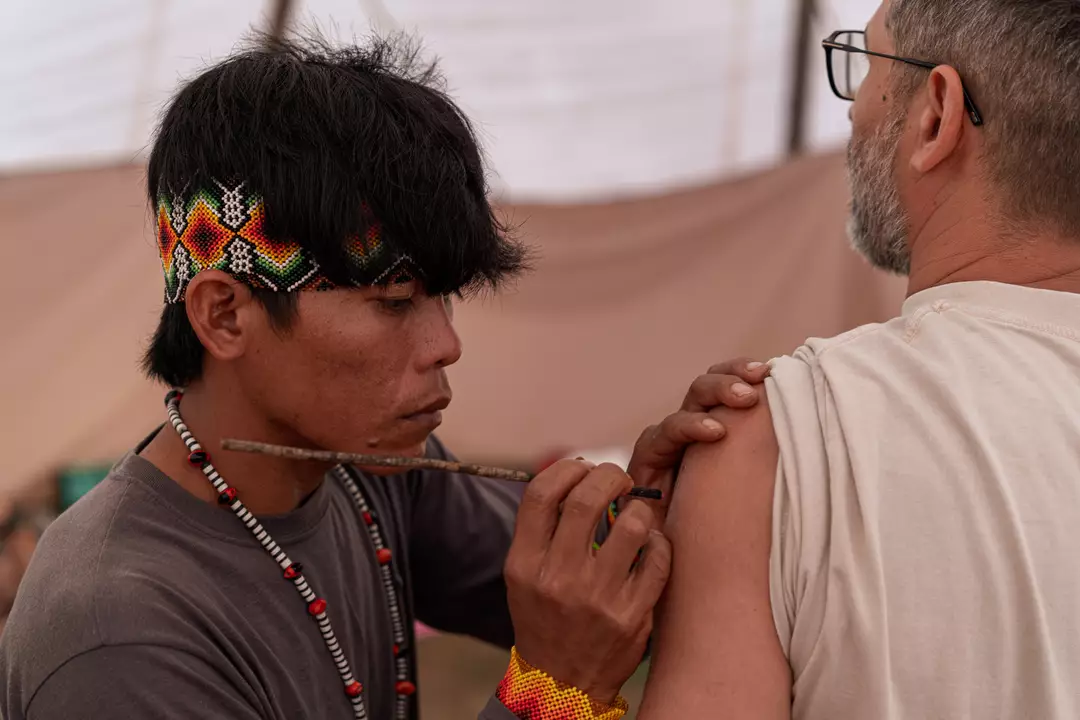
A typical session involves the participant drinking a substantial amount of liquid beforehand. A practitioner then uses a burning implement—often described as an incense stick—to create small burns that blister.
After the surface layer is removed, the waxy frog secretion is applied to the exposed points, allowing toxins to enter the bloodstream. This can trigger flushing, a rapid heartbeat, and intense gastrointestinal effects such as vomiting and diarrhea.
There is no solid scientific evidence that Kambo provides health benefits. However, published research and case reports have described what some clinicians call a “life-threatening risk” associated with its use.
One case involved a 41-year-old woman who sought the ritual after telling a shaman she was struggling with depression. After receiving Kambo, she became limp and unresponsive, and her breathing reportedly became dangerously shallow.
She was hospitalized and placed on a mechanical ventilator for three days. Although she recovered, she later experienced severe visual hallucinations involving animals and people, requiring additional medication.
Following a week of intensive medical care after the ceremony, she was discharged.
As reports of serious harm continue to surface internationally, some countries—including Australia, Brazil, and Chile—have already the substance. In the UK, no comparable action has yet been taken.
A UK government spokesperson said: “Any substance that poses a risk to public health or safety will be kept under review. We urge individuals to exercise caution when considering alternative therapies and to be aware of the potential risks involved.”