


Hannah Murray, best known as Gilly in Game of Thrones, has shared how her search for wellbeing led her into a wellness cult — an experience that culminated in a psychotic episode and her being sectioned in hospital.
Although Game of Thrones ended around five years ago, many of its characters remain firmly lodged in fans’ hearts.
And for viewers who’ve kept up with the cast’s careers since the series wrapped, Murray’s path has been one that drew attention for very different reasons.
After her time playing Gilly came to a close, she says her life veered in an unexpected direction.
In her memoir, The Make-Believe, due to be released at the end of this month, Murray reveals she was sectioned after becoming involved with a wellness cult following the completion of her work on the seventh season of Game of Thrones.
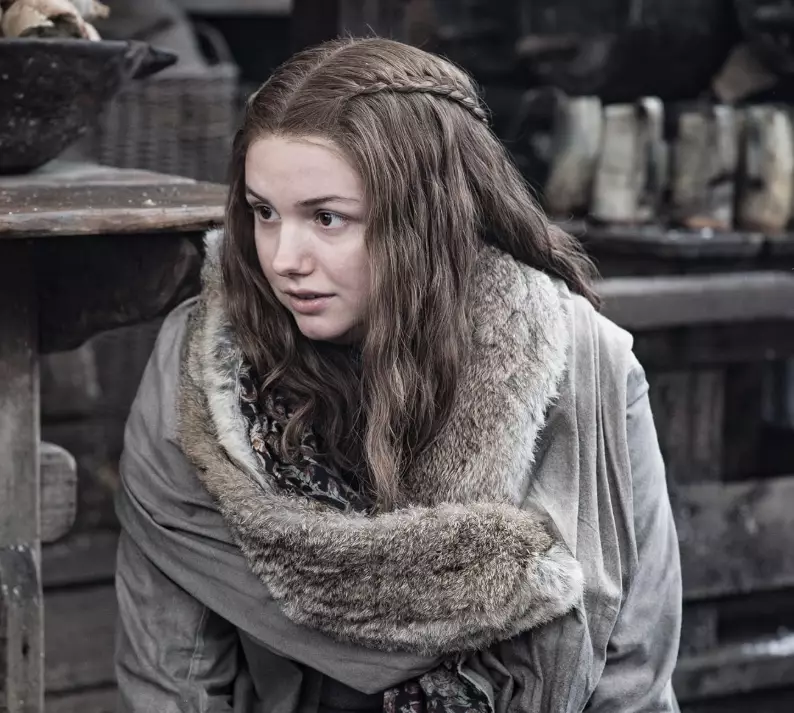
The events took place around 2016 and 2017. At the same time, the 35-year-old actress was also working on the 2017 film Detroit — a project she said left her so overwhelmed by stress and the subject matter that she would wake up during the night to vomit.
Looking back, Murray says she now approaches the wellness world cautiously, arguing that ‘there’s not enough critical thought about wellness.’
What started with meditation, yoga and holistic treatments became, in her words, an attempt to get her ‘s*** out’ — but it ultimately saw her spending thousands on a group she refers to only as ‘the organization’, led by a man named Steve.
Murray also frames her vulnerability through the lens of being part of the Harry Potter generation — children raised on stories suggesting that outsiders might secretly be destined for something extraordinary.
She says the group she became involved with encouraged that exact belief, making her feel as though she was finally uncovering her true purpose.
“Like, that can’t be overstated,” she said of the JK Rowling books. “This book that was so popular for so many people my age, and the most appealing thing was the idea that you might discover this whole magical world, just under the surface of our world. As a kid, I desperately wanted that to be true.”
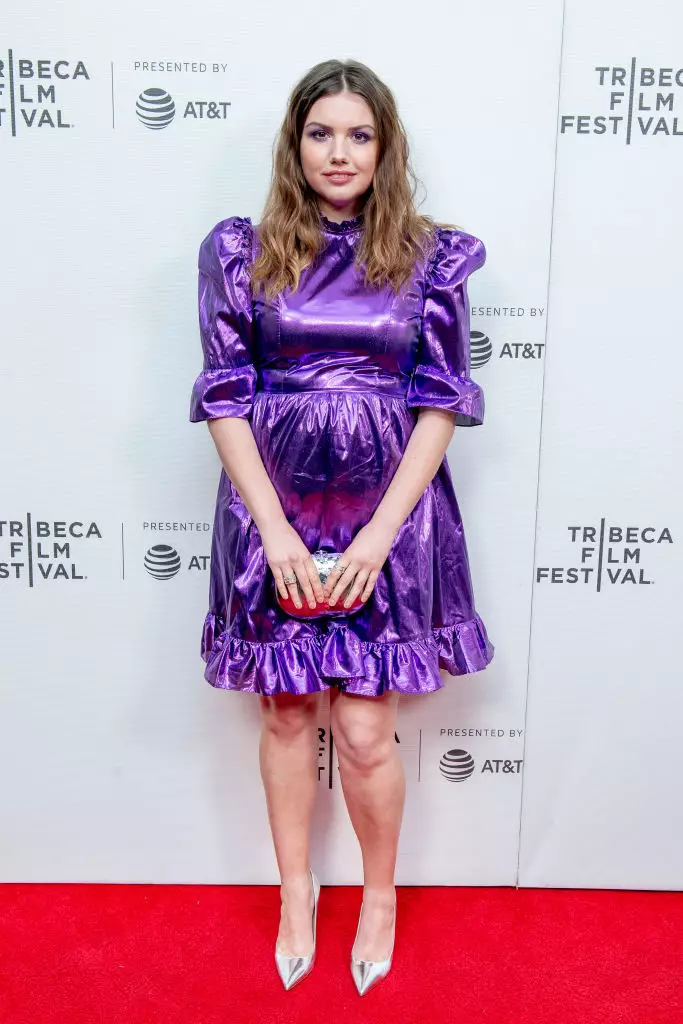
“I was well educated, from a middle-class family; everything should have been fine,” she said. “I thought, ‘I’m smart. I make good choices.’ Well, I made terrible choices. But it’s important to understand why people do these things, rather than going, ‘Oh, they must be idiots.’ Or, ‘How stupid could you be?’ ”
Murray explained that while she was in the US she was initially introduced to a holistic healer named Grace, who came recommended through her trainer.
After returning to the UK, she says Grace then directed her to another woman — and from there, she was pulled into a string of training courses that became progressively more intense, reinforcing the sense that she was meant for something beyond ordinary life, even something supernatural.
She explained: “When I was going through psychosis, my brain was a cocktail of those stories, this idea that I had discovered the truth, which was that I had this incredible destiny. I was going to save the world. I could fly. Not to say that those stories are bad or anything. I just think we are fed on a diet that makes us want this.”
Ultimately, Murray’s experience ended with her being placed on a ward under the Mental Health Act. Now, nine years on, she says even stepping into a crystal shop can feel like too much, worried it could edge into what she describes as being too ‘woo woo’.
As she sees it, wellness culture, she said, ‘might be causing some of the problems it claims to be able to cure.’