

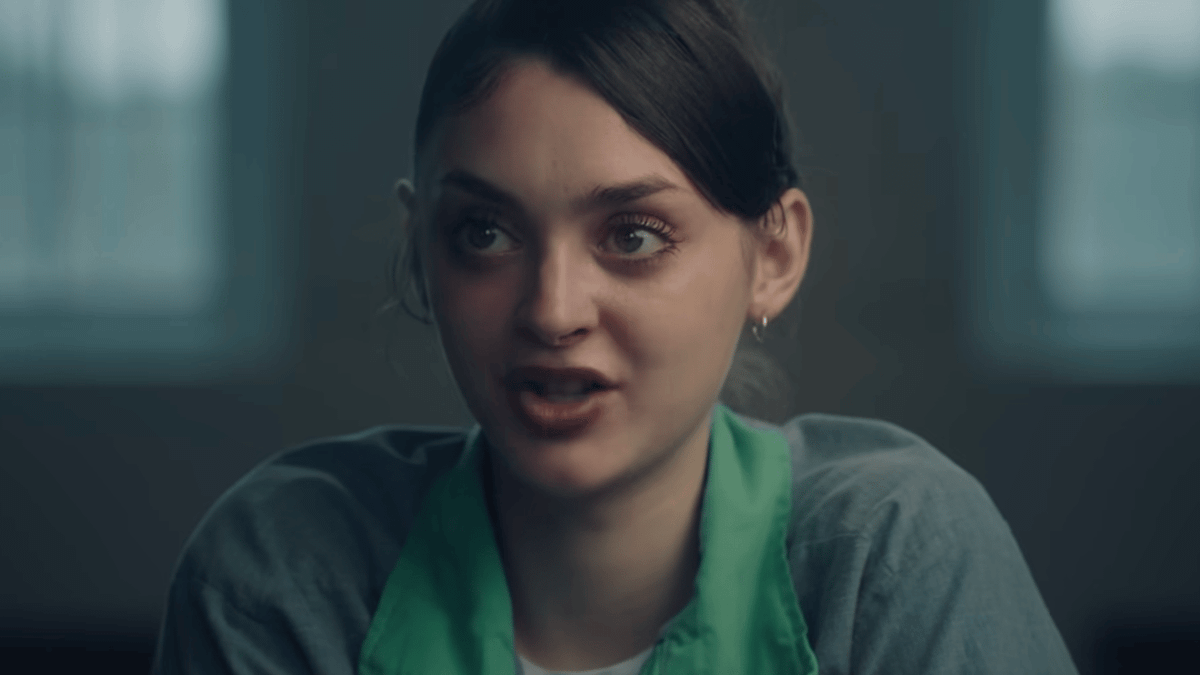
Netflix’s latest documentary revisiting teen killer Mackenzie Shirilla — and her choice to drive into a wall at 100mph, killing her boyfriend and his friend — has reignited a debate that previously split opinion.
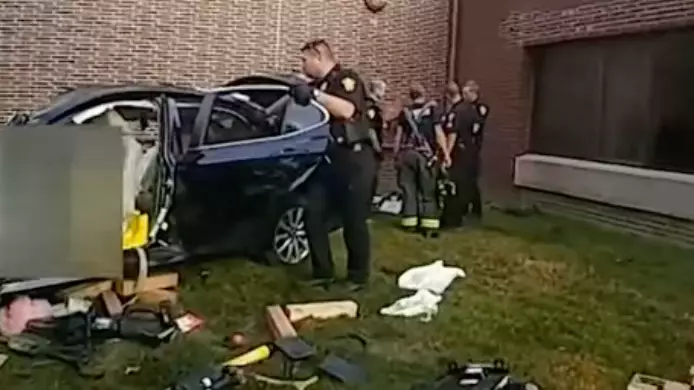
Shirilla was 17 when the crash happened in July 2022. Prosecutors said she deliberately steered her vehicle into the side of a building in Strongsville, Ohio, at about 5:30am after the group had been out for a high school graduation celebration followed by a weed-fuelled after party.
Investigators initially treated the incident as a tragic accident. However, tips from the public and forensic work — including analysis of CCTV footage and tyre marks — shifted the case, leading to charges that included multiple counts of murder and aggravated vehicular homicide.
Shirilla was later sentenced in 2023 to 15 years to life. Now, comments she makes in Netflix’s documentary The Crash have prompted renewed questions about whether the collision was intentional.
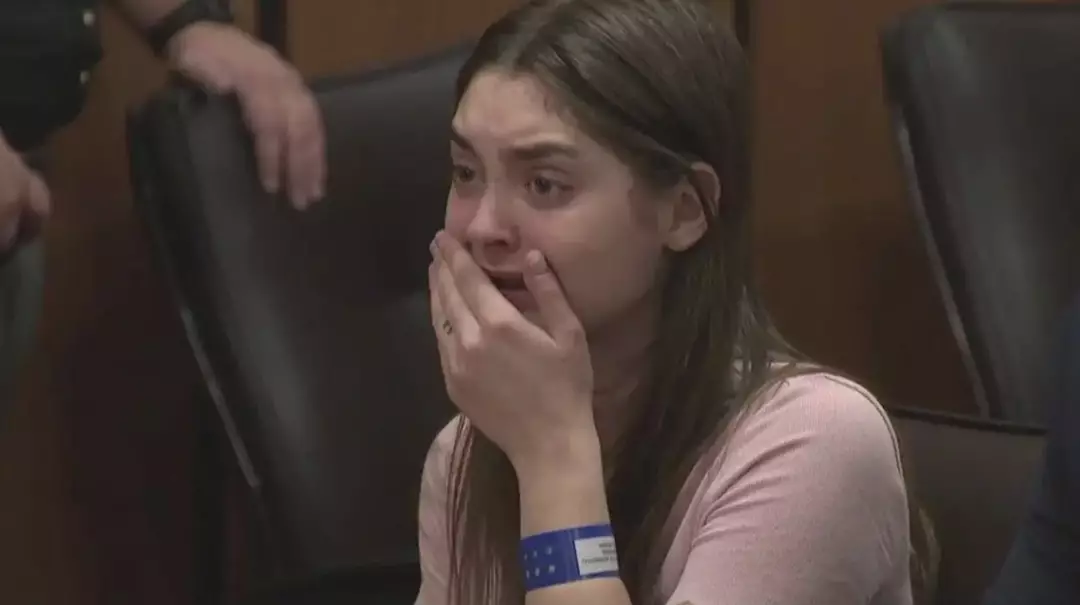
The discussion largely centres on Shirilla’s own interview, where she repeats the claim she made in court: that a medical episode left her unable to control the car.
In court, analysis of the moments before the impact — including a small left-right movement — was used to argue she had her hands on the wheel as the vehicle hit the wall at 100mph, killing Dominic Russo and his friend Davion Flanagan. Despite that, Shirilla maintains she has no awareness of what happened.
The interviewer asks her: “How does a medical emergency account for the control of the car?”
She responds: “I’m unsure, cause I have no recollection of that morning, but I know nothing about it was intentional cause that’s not my character.”
Some viewers have taken the response at face value, struggling to understand why a teenager would choose to cause such devastation. But a body language analyst behind the YouTube channel Behavioral Arts has highlighted what he considers a troubling pattern within her reply.
The commentator — who has previously discussed his work with outlets including CNN and Fox News — said the interviewer’s question was key, and argued the way Shirilla responded revealed more than she intended.
“I’ve been kind of hinting at this so far, but it’s very important in interrogation or in interviews when we ask a question,” the Youtuber said, explaining: “One of the things that we focus on is, did this answer my question, and it did answer my entire question.”
He added: “So, anything that falls along the lines of redirecting, not answering the question, answering only one specific part of the question, all these things fall into the category of non-answer statements or a refusal to answer.”
From his perspective, her reply doesn’t address the heart of what was asked — how a medical emergency could align with accelerating into a wall — and instead pivots to a different point: that she can’t remember the night.
He explained: “If you really think about it, her memory has nothing to do with this specific question because he’s saying, according to your theory, right, you said it’s a medical emergency. According to that, how do you explain the control of the car?”
He also drew attention to her delivery in the moment, noting what he described as a verbal stumble at the start of her answer.
He said: “You’ll also notice right in the beginning there’s something we call speech disfluency where she goes, ‘I’m unsure cause I have no recollection’, She kind of fumbles on her words.”
According to the analyst, that kind of hesitation doesn’t necessarily mean she’s searching for what happened — but could indicate she’s carefully selecting how to phrase her response.
“This usually indicates an increase in cognitive load,” he explained, adding: “We’re thinking a lot, which kind of causes the speech to mutter a little bit, you know. So, there’s a lot going on with this answer.”