

Fans planning to travel to the 2026 FIFA World Cup have been cautioned about several potential health risks, as officials stress they are taking steps to reduce dangers for visitors.
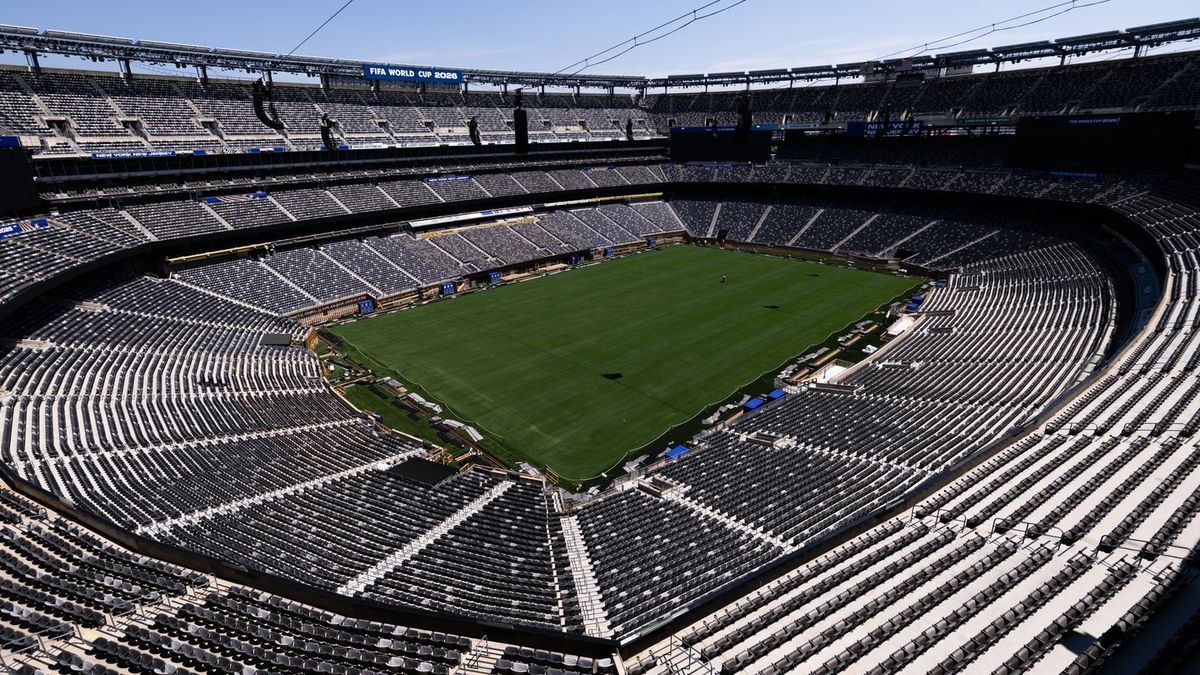
CDC director Jay Bhattacharya has flagged health considerations for those heading to the tournament in June. The World Cup will be staged across 16 host cities in the US, Mexico, and Canada, featuring an expanded field of 48 teams and a record 104 matches.
FIFA expects millions of supporters to attend, and reports indicate around five million tickets have already been sold.
However, experts say the scale of international travel could increase the chances of illnesses crossing borders. Speaking to The Independent, Johns Hopkins University professor of molecular microbiology and immunology Andy Pekosz said active infections in some countries could be brought into North America by visitors.
“The best example is influenza,” he said.
The health expert added: “It’s circulating in some countries in the Southern Hemisphere (South America), and so it may be that some influenza infected individuals can get to the US/Canada/Mexico and perhaps spread the infection.”

Even so, Pekosz noted that widespread flu transmission during the event may be less likely because conditions may not be especially favorable for it to spread.
Measles, on the other hand, is being treated as a greater concern. Harvard University research says the US has recorded 3,564 cases since January 2025, marking the biggest outbreak in decades.
While some travelers may also be worried about hantavirus, the CDC has said the risk to World Cup visitors is considered ‘extremely low’.
Organizers and public health officials are also watching the impact of high temperatures. The tournament is scheduled to run from June 11 to July 19, with matches in places such as Houston and Miami, where average June highs sit in the mid-80s.
Food safety is another area under scrutiny, particularly in certain US host cities. In Georgia, inspectors have reportedly been sent to check restaurants, food trucks, and temporary food tents to confirm that health regulations are being followed.
Addressing the range of potential issues, Bhattacharya said: “Of course, any time so many people are traveling, there’s always the possibility of various outbreaks or whatnot to happen.
“But the risk is not any different than it is in other World Cups that we’ve managed properly, and the United States has systems in place to make sure that if something happens that we respond appropriately.”