

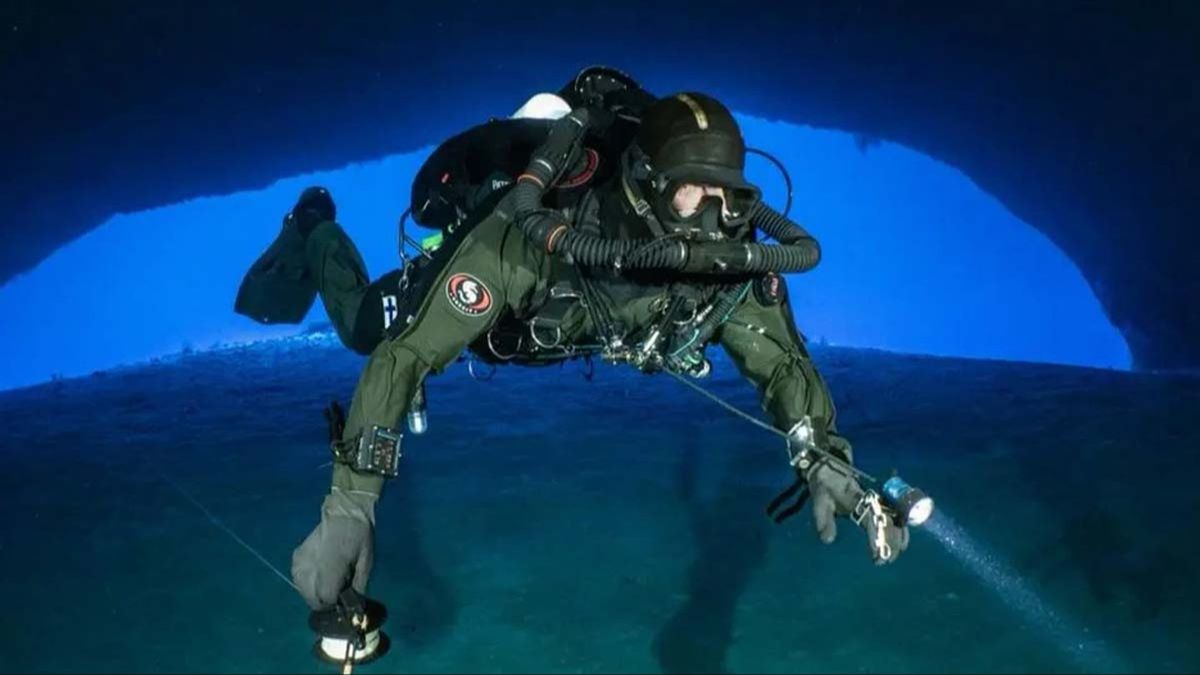
A mortician has shared her view on what may have occurred to the bodies of five Italian tourists who died during a scientific scuba diving expedition in the Maldives earlier this month.
Muriel Oddenino, Gianluca Benedetti, and Federico Gualtieri, along with Monica Montefalcone and her 20-year-old daughter Giorgia Sommacal, died on May 14 after the group did not return to the surface following a dive in Vaavu Atoll.
Benedetti’s body was recovered soon after the incident, while the remaining four were located days later by Finnish divers.
A member of the Maldives National Defense Forces search-and-rescue unit also died while taking part in the response operation.
The victims were discovered in an area known as the ‘shark cave’. A mortician who posts online under the name ‘Lauren the Mortician’ later explained what can happen to a body underwater and why recoveries can take time.
In a YouTube video, she said the process would now be in the hands of local officials while examinations are completed before any repatriation can take place.
“The divers’ bodies were turned over to the Maldivian authorities, who are overseeing the investigation and autopsy process, before the victims can eventually be released back to their families.
“From a mortuary science perspective, a week underwater is a long time, especially in warm tropical salt water, because decomposition does not stop underwater. It just changes.”
Lauren also addressed a common misconception about what happens immediately after death underwater, noting that the dramatic “instant floating” portrayal is often inaccurate—particularly for people wearing diving equipment.
Lauren added: “Now, a lot of people imagine underwater bodies immediately floating around dramatically like in the movies, but that’s usually not what happens initially.
“Most bodies actually sink at first, especially divers because they’re wearing heavy tanks, weight systems, wet suits, gear, and equipment specifically designed to help control buoyancy underwater.
“But as decomposition begins, bacteria inside the body naturally start producing gases. And over time, those gases can create buoyancy changes.”
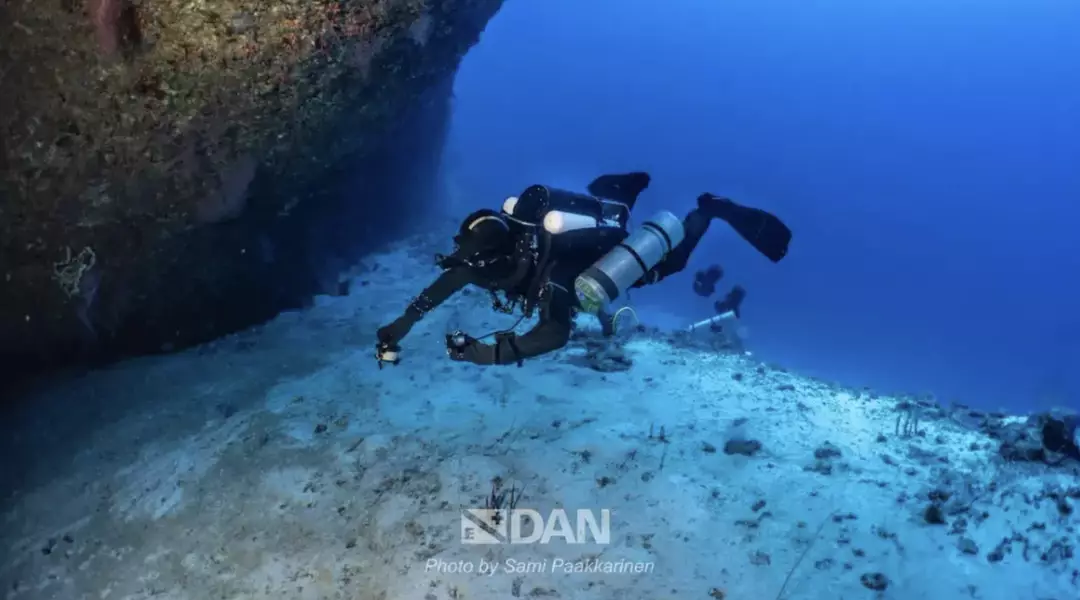
She then discussed how depth and the environment inside a cave system can affect where a body is eventually found. Because the group was reportedly located at a depth consistent with the ‘shark cave’ area, she said it would be reasonable to expect the bodies to remain submerged longer than many people assume.
That context, she explained, is why reports that one person was found “floating against the roof of the cave” initially stood out to her—though she added it is still plausible when multiple factors are involved.
However, she noted: “Scientifically, that actually makes sense because that underwater buoyancy after death can dramatically vary depending on your body composition, how much residual trapped air you have inside your equipment, your own bodily decomposition gases, the positioning of the body, currents, weights, and even tiny differences in their gear setup.”
Separately, diver Sami Paakkarinen—who took part in the recovery—said those who entered the cave did so without specialist cave-diving gear, and without a reel or guide line.
“The equipment we found them with wasn’t optimal, they weren’t using underwater caving gear,” he said.
The Duke of York liveaboard, the operator behind the excursion, has had its operating licence suspended indefinitely while the investigation continues.