


A psychotherapist has raised concerns after fresh research pointed to a troubling pattern among teenage boys.
Research from Male Allies UK suggests that one in five boys aged 12 to 16 is either currently “in a relationship” with an ‘AI girlfriend’, or knows someone who is.
Based on focus groups held in UK schools, the organisation reported that 80 percent of the boys spoken to had used chatbots. It also found that more than a quarter said they would rather talk to bots than have face-to-face conversations, while over a third said they preferred chatbot chats to speaking with friends and family.
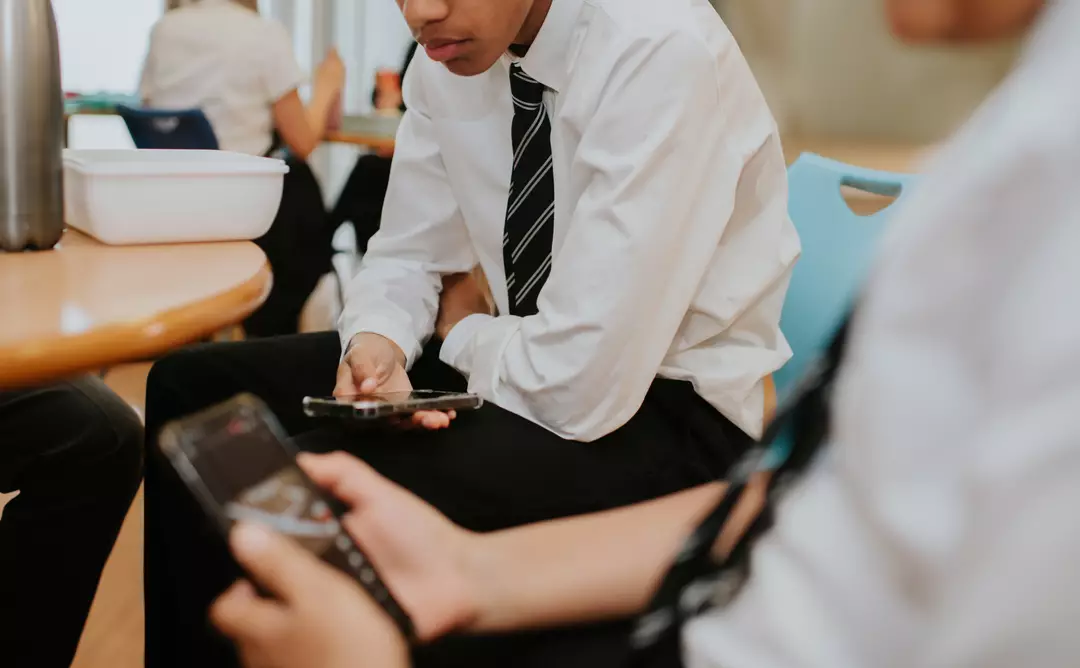
As AI tools become more advanced and widely available, psychotherapist Amanda Macdonald warned parents that the dynamic can be harmful, arguing it mirrors grooming behaviours.
“These aren’t congruent human relationships,” psychotherapist Amanda Macdonald said.
“This is grooming. Children’s brains are not developed enough to be in an eroticised environment, that’s why we have an age of consent.
“Their whole engagement model is telling a user what they want to hear, and that’s hugely gratifying for a teen, and encourages them to keep on engaging. Why would they spend time enduring the reciprocity or the difficulties of a real relationship? But ‘frictionless’ relationships aren’t what life is about. People being thoughtless, selfish, falling out, that’s what human relationships are like and how children build resilience.”
A parent of a 13-year-old said she was left reeling after learning her son had created an AI partner.
“We were completely shocked,” she said.
“And quite ashamed – both that this happened and school had to notify us, and that we were so unaware. We had no clue he would be accessing this kind of content. He found out about it from a game he was playing online, he said, and that he was ‘curious’ what it was about. Then, from what I can tell, he just got sucked into the companionship and company it offered him.
“Apparently he designed her himself. She looked like a porn star. Large breasts, blonde hair, huge eyes, pneumatic lips.”
Male Allies UK also addressed potential consequences of the trend. Lee Chambers from the organisation said they have already heard about incidents where boys struggled to handle real-world rejection after becoming accustomed to online interactions.
“We have heard of situations where, when a boy has tried out his online chat in the real world, he’s been rejected. Feeling humiliated, frustrated and angry, he has lost his temper and lashed out.
“I think there’s a chance we’ll see more of that frustration being expressed. I fear this technology could lead to a whole new level of toxic masculinity and violent misogyny when instantly gratifying online behaviours don’t translate in real life.”