

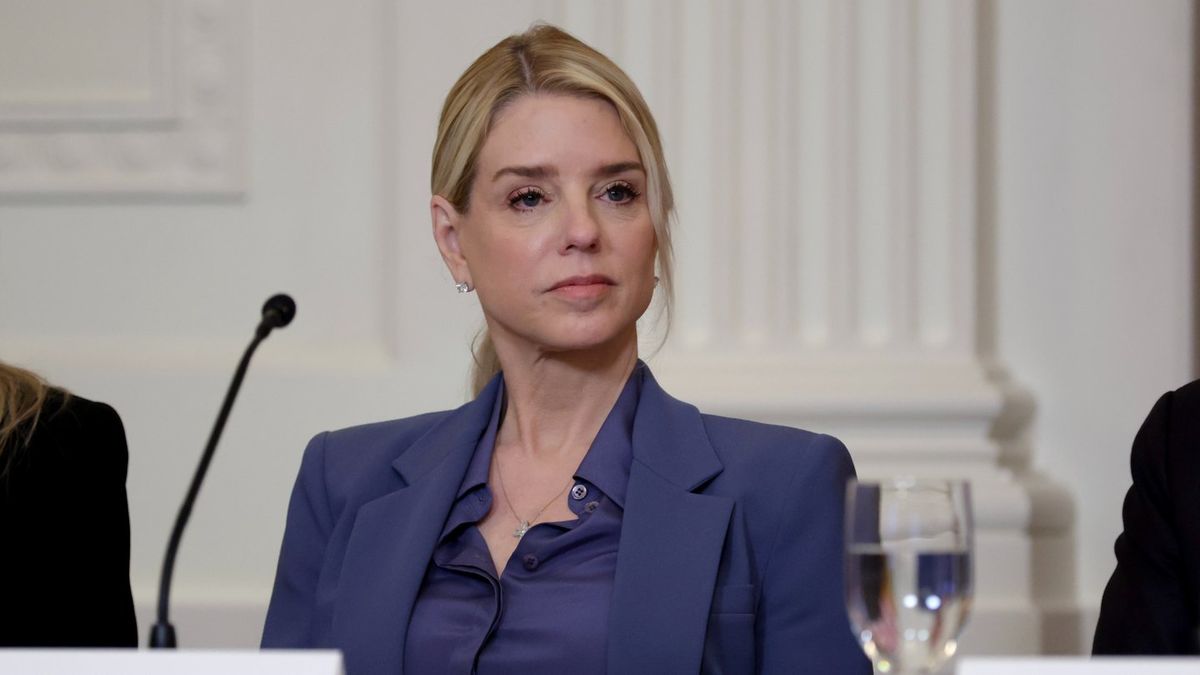
Here are the symptoms of thyroid cancer to be aware of after former US Attorney General Pam Bondi revealed she’d been diagnosed with the disease.
Bondi, who exited the Trump administration last month, said in interviews with a number of outlets — including CBS and CNN — that she learned she had the condition soon after leaving the Justice Department in April.
She later confirmed she has undergone surgery in recent weeks as part of her treatment.
In a statement shared earlier on Wednesday (May 27), Vice President JD Vance said: “Pam has been an enormously valuable asset to the president’s team, and I’m thrilled for her and for all of us that she’s going to remain involved in confronting some of the most important issues the administration faces.”
Mayo Clinic explains that thyroid cancer ‘is a growth of cells that starts in the thyroid’, and notes that it’s typically treatable when detected early.

Some people may not notice any warning signs at first, but there are potential symptoms and complications that should prompt you to seek medical advice.
According to Columbia University’s Herbert Irving Comprehensive Cancer Center, symptoms to be aware of include:
The American Cancer Society estimates that around 53,000 people in the US are diagnosed with thyroid cancer each year, with women accounting for most cases.
It adds that the disease is seen most frequently in women in their 40s and 50s, while men are more commonly diagnosed in their 60s and 70s.
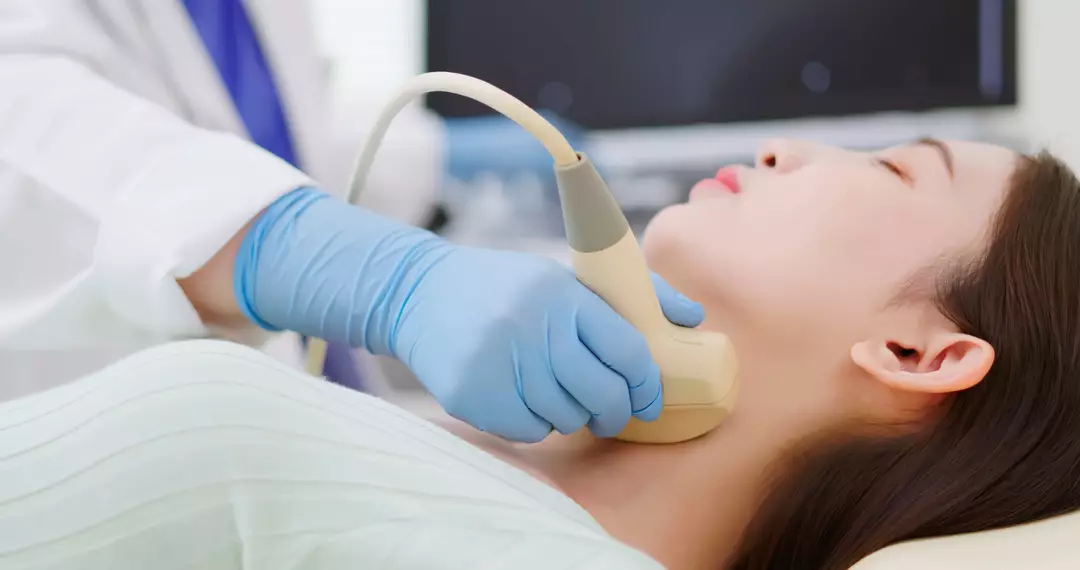
Columbia University’s Herbert Irving Comprehensive Cancer Center adds: “Most people who have thyroid cancer have no genetic mutations or family history. However, certain cancers are more likely than others to be an inherited type of cancer.
“For example, about 20% of medullary thyroid cancers start from an inherited gene. These cancers are called familial medullary thyroid carcinoma. They can start in childhood or early adulthood and spread early. Some people who have thyroid cancer have an inherited syndrome called Cowden disease.”
If you’ve been affected by any of these issues and want to speak to someone in confidence, contact the American Cancer Society on 1-800-227-2345 or via their live chat feature, available 24/7 every day of the year.