

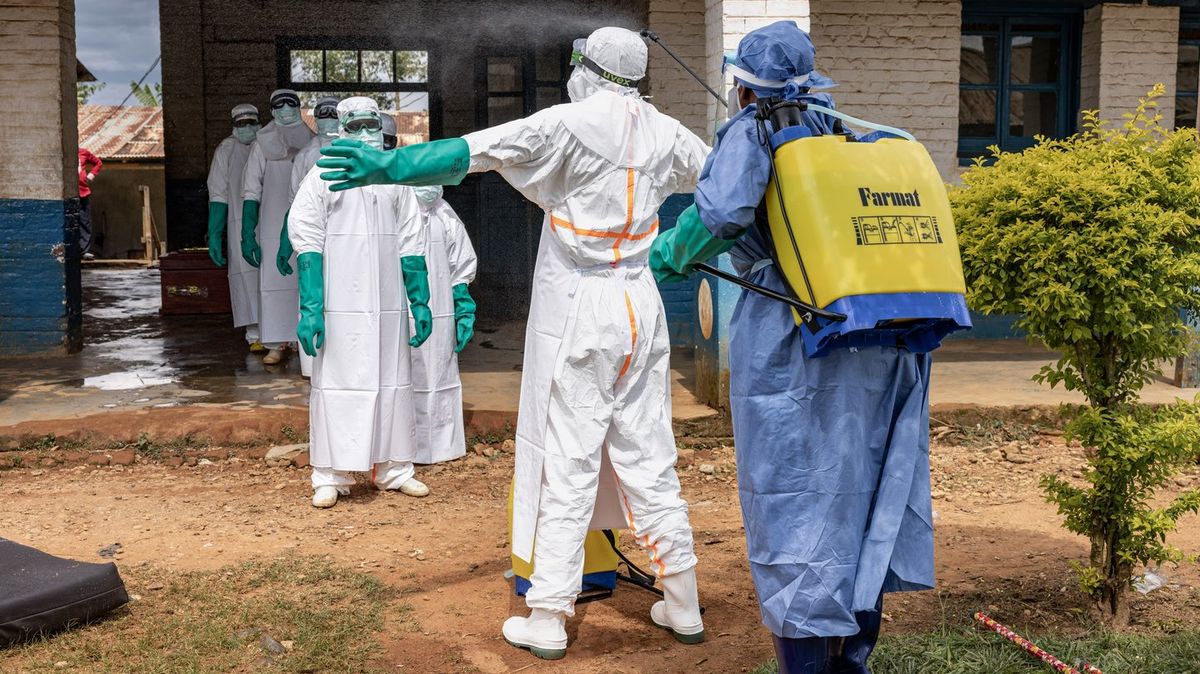
The World Health Organization (WHO) says it has logged 220 suspected deaths and 900 suspected Ebola cases since the outbreak began — and a number of countries have now introduced travel measures in response.
The WHO has warned that Ebola is moving rapidly across eastern areas of the Democratic Republic of the Congo (DRC), with transmission increasing faster than response teams can keep up.
The surge involves a rare variant known as Bundibugyo, prompting governments to announce new border controls and entry restrictions aimed at limiting further spread.
Speaking to reporters, WHO director-general Tedros Adhanom Ghebreyesus cautioned: “At the moment, the epidemic is outpacing us.”
The situation has been designated a pandemic emergency — the highest level of alert since 2024.
Although the UN health agency raised its national risk assessment for the DRC from high to very high last week, it continues to classify the overall global risk as low.
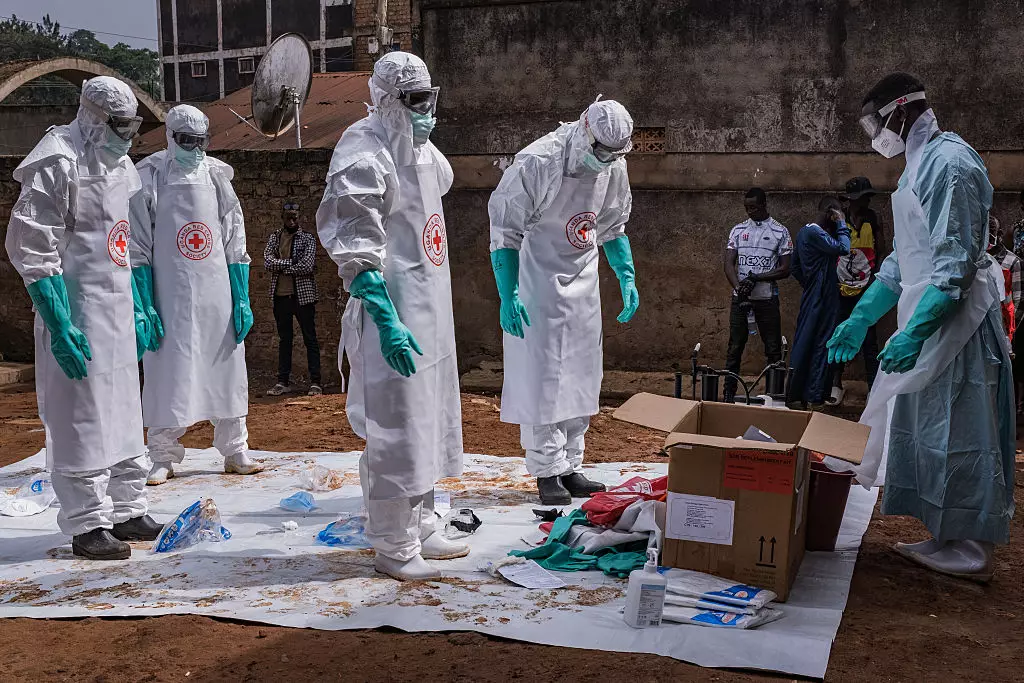
Even with the global risk still assessed as low, multiple countries have moved to tighten travel rules and introduce added border measures linked to the outbreak.
Outside the directly affected parts of the DRC, Canada said it would temporarily bar residents of the DRC, Uganda and South Sudan from entering for 90 days. The announcement followed Trump’s move to block non-citizens who had traveled to the DRC, Uganda or South Sudan within the previous 21 days from entering the US.
Days after that, the Centers for Disease Control and Prevention (CDC) expanded the restriction to include green card holders.
The Bahamas also said it would implement a 30-day travel ban covering residents of the DRC, Uganda and South Sudan.
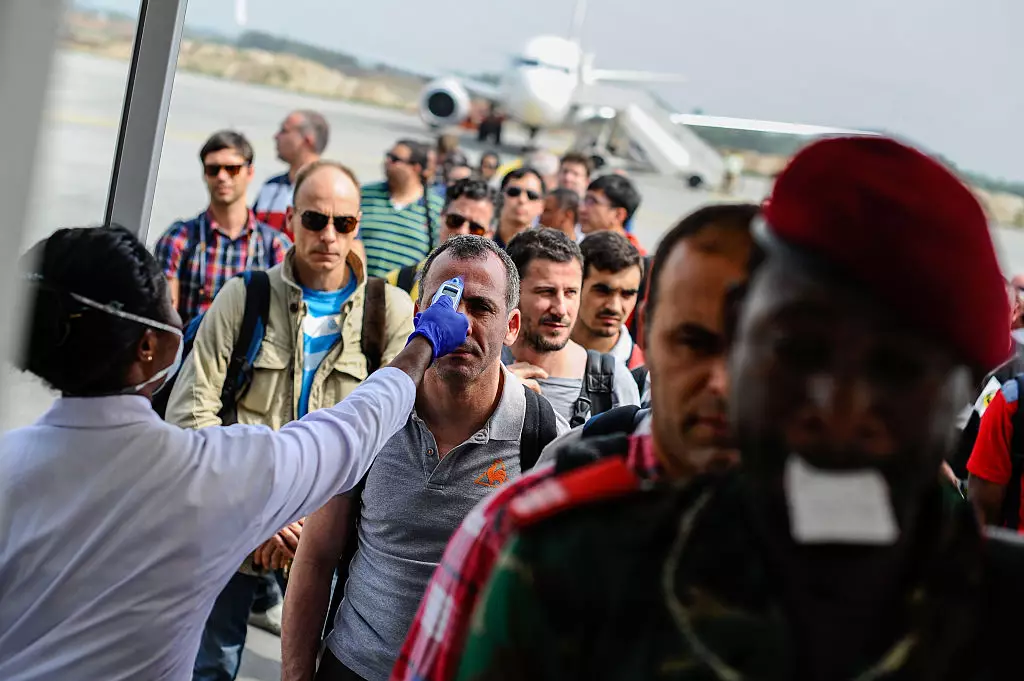
Jordan has also halted entry for travelers arriving from the same regions, and Bahrain has introduced similar restrictions.
India has not announced a full travel ban, but has rolled out enhanced screening protocols at major international airports as a containment step.
Thailand said travelers from the DRC and Uganda will be permitted to enter only via Bangkok’s Suvarnabhumi Airport, and only if they return a negative Ebola test during on-arrival screening.
This week (May 25), Mexico’s health secretary said airport screening measures would be strengthened as well.
Bob Kitchen, the International Rescue Committee’s vice president of emergencies, said in a press release: “Increased conflict and cuts to global aid funding have dismantled defenses at exactly the wrong moment.
“The lesson from every previous outbreak is clear: delays cost lives.”