

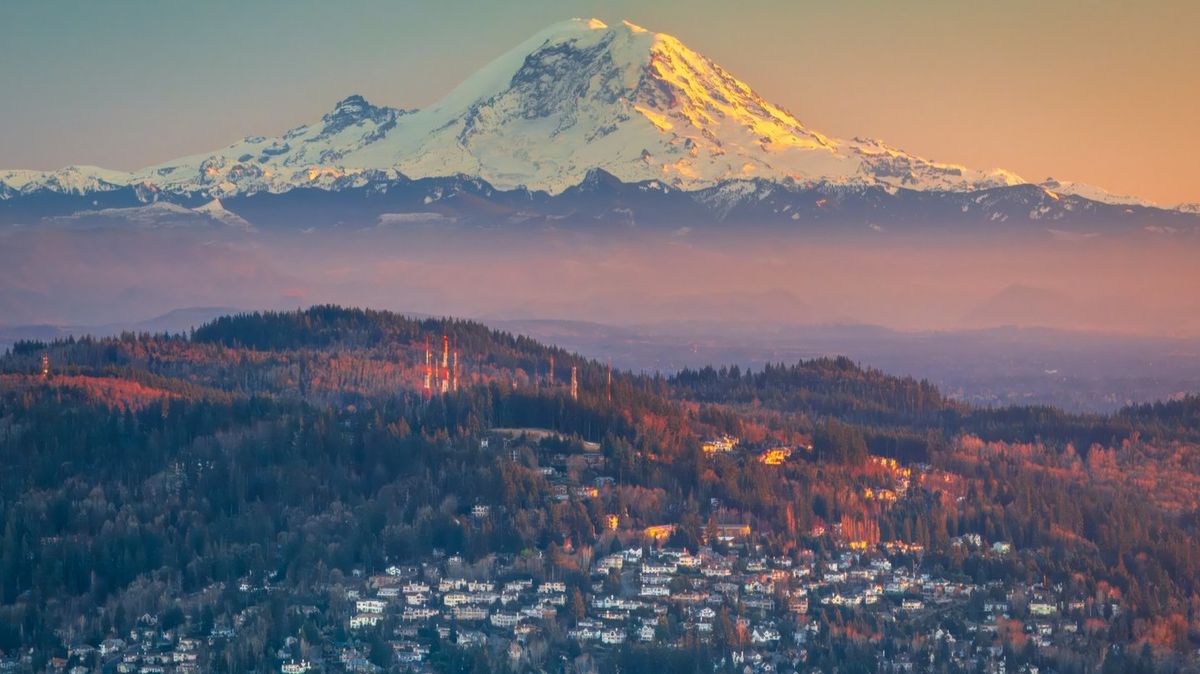
For years, online rumours have repeatedly suggested Mount Rainier is ‘about to erupt’. While those claims haven’t been borne out, scientists are now drawing attention to a different danger linked to what’s been described as the United States’ ‘most dangerous’ volcano.
Rather than sounding the alarm about an imminent eruption, researchers are warning about the threat of mudslides — known as lahars — associated with the volcano, located about 60 miles southeast of Seattle and 30 miles northeast of Mount St. Helens.
The USGS describes lahars as ‘a highly destructive, fast-moving slurry of water, volcanic ash, rock fragments, and debris that rushes down the slopes of a volcano,’ underscoring how quickly they can overwhelm anything in their path.
If Mount Rainier were to generate a major lahar, three Washington communities — Orting, Puyallup and Sumner — could face ‘obliteration’. Around 60,000 people live in and around areas considered vulnerable, and a ‘no-notice lahar’ could arrive in as little as 30 minutes, former Cascades Volcano Observatory (CVO) geophysicist Andy Lockhart said to Popular Mechanics.
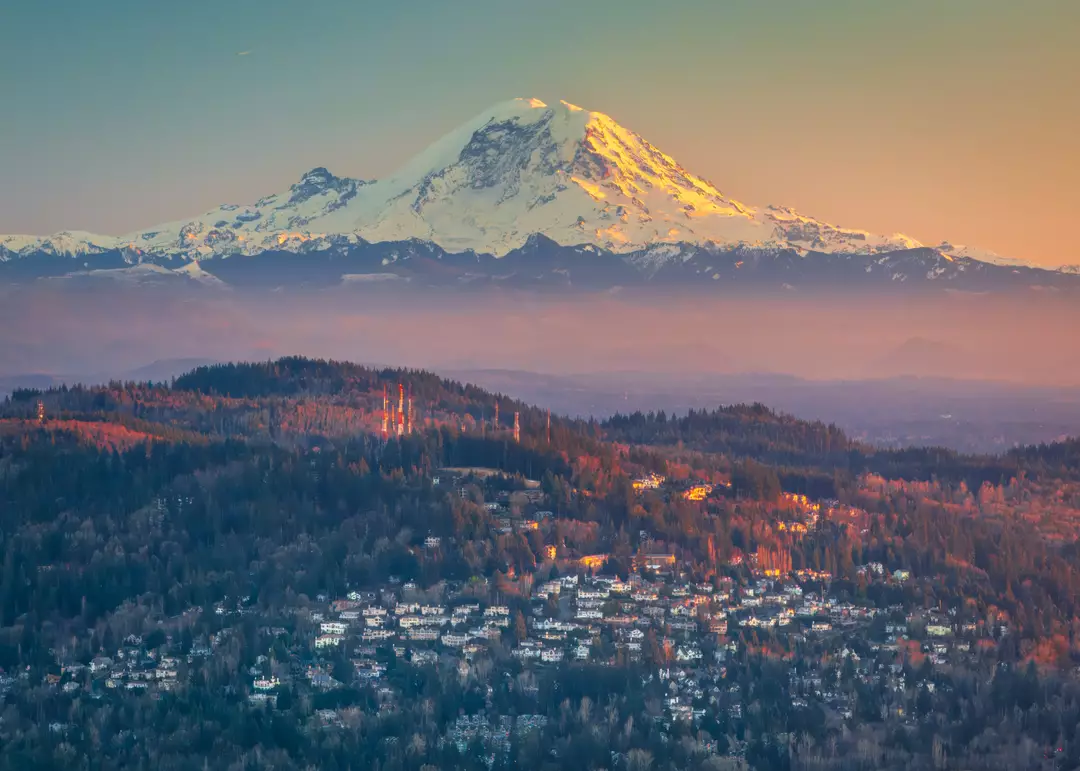
Among the three towns, specialists say Orting may be particularly exposed because of ‘its limited evacuation routes’.
National Autonomous University of Mexico volcanologist Lizeth Caballero García noted that lahars can ‘grow and dilute’ as they move, describing them as a ‘complex phenomena that change a lot during transport.’
Scientists have spent years working on better detection and alert systems designed to give communities time to evacuate. Even so, ‘no-notice lahars’ may happen with little to no forewarning, which makes them especially difficult to anticipate.
Experts add that these fast-onset events don’t necessarily require an eruption or a major earthquake. Historically, deadly lahars around the world have also been triggered by things like dam collapses and intense thunderstorms.
“[No-notice lahars are] the thing that goes bump in the night. It creeps me out,” Andy added.
Because of the stakes, communities near the mountain hold large-scale evacuation drills aimed at ensuring residents can respond quickly if the worst happens.
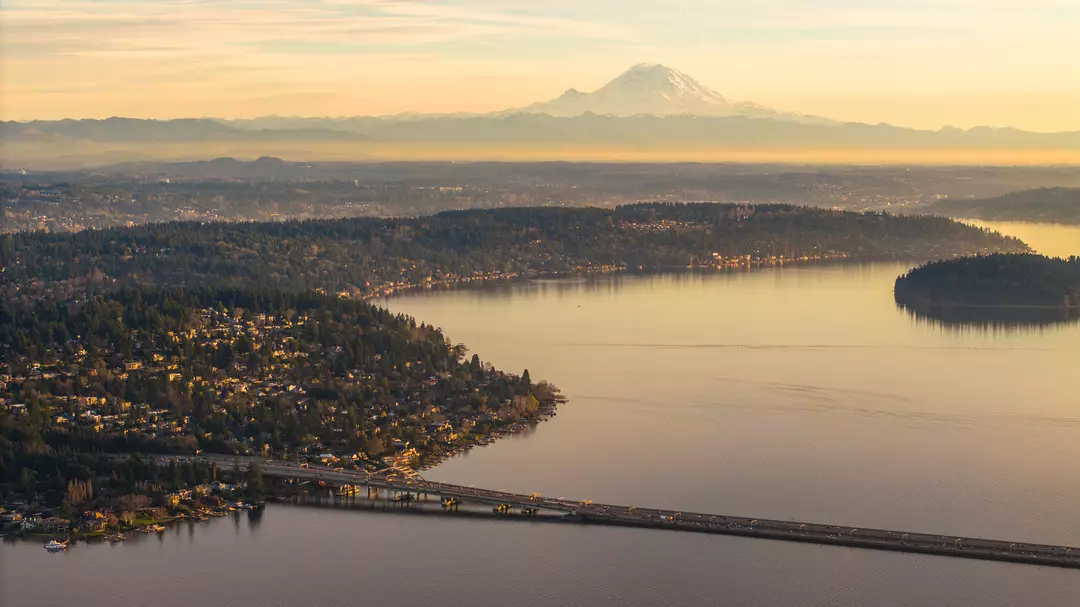
Mount Rainier has produced lahars before, and the possibility of future events is a key reason it is regarded as one of the ‘most dangerous’ volcanoes in the United States of America.
The largest known event occurred more than 5,000 years ago and ‘caused 2 to 3 km3 (0.5 to 0.7 mi3) of mainly hydrothermally altered material from the volcano’s summit and northeast slope to slide away,’ according to the USGS.
As for eruptive activity, the volcano has erupted in the past — but there hasn’t been a major eruption for several hundred years.
Volcanic activity elsewhere has made headlines recently, including in Indonesia, where three people were reported to have died after Mount Dukono erupted.
The deaths were said to involve hikers who were on the mountain despite restrictions, as the volcano has erupted more than 200 times since March last year.