

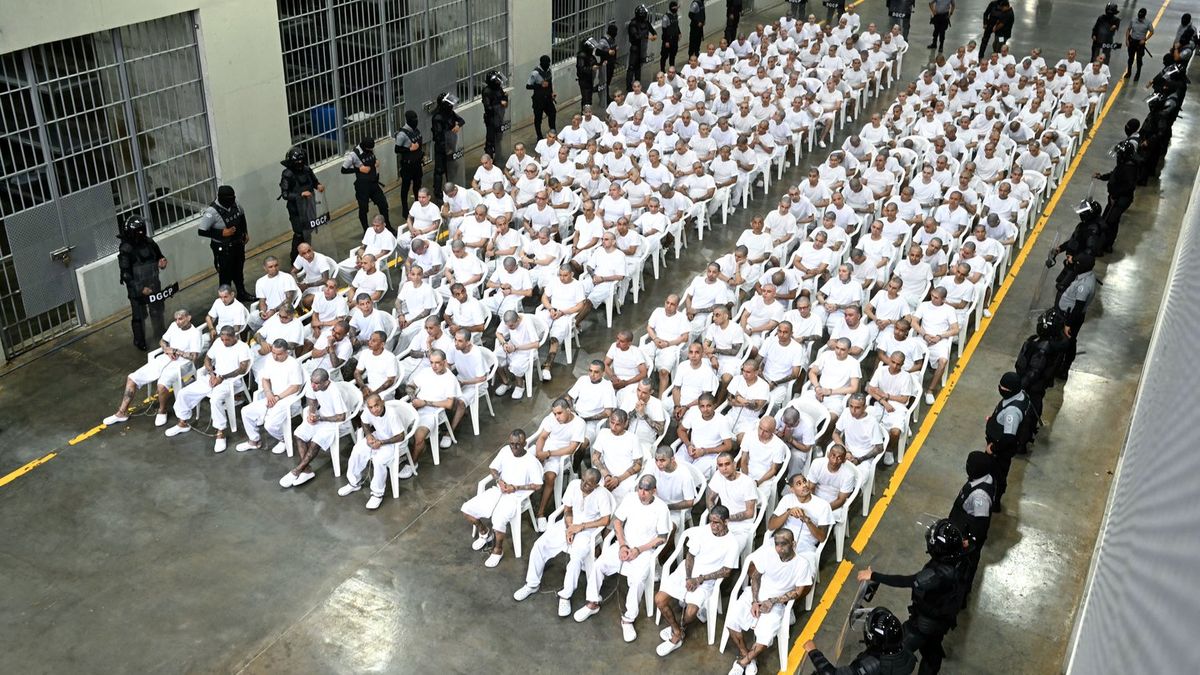
A well-known TV presenter has travelled to El Salvador to step inside what many describe as the world’s most dangerous prison, where he encountered a completely dark isolation space — nicknamed the “punishment hole” — and noticed a strange, unpleasant smell.
Officially called Centro de Confinamiento del Terrorismo (CECOT), the massive maximum-security facility spans 57 acres in Tecoluca, El Salvador.
The prison opened in January 2023 as part of a major government initiative. It is built to hold up to 40,000 inmates, with authorities reportedly branding many detainees as “terrorists” who “will never leave”.
Human Rights Watch has said people held there are confined for 23 and a half hours a day, packed closely on steel bunks, and allegedly prevented from contacting both family members and legal representatives.
Concerns have also been raised by other rights organisations, particularly after allegations of abuse, torture and sexual violence. The prison has drawn international attention in connection with reports that US President Donald Trump sent Venezuelan detainees there last year.
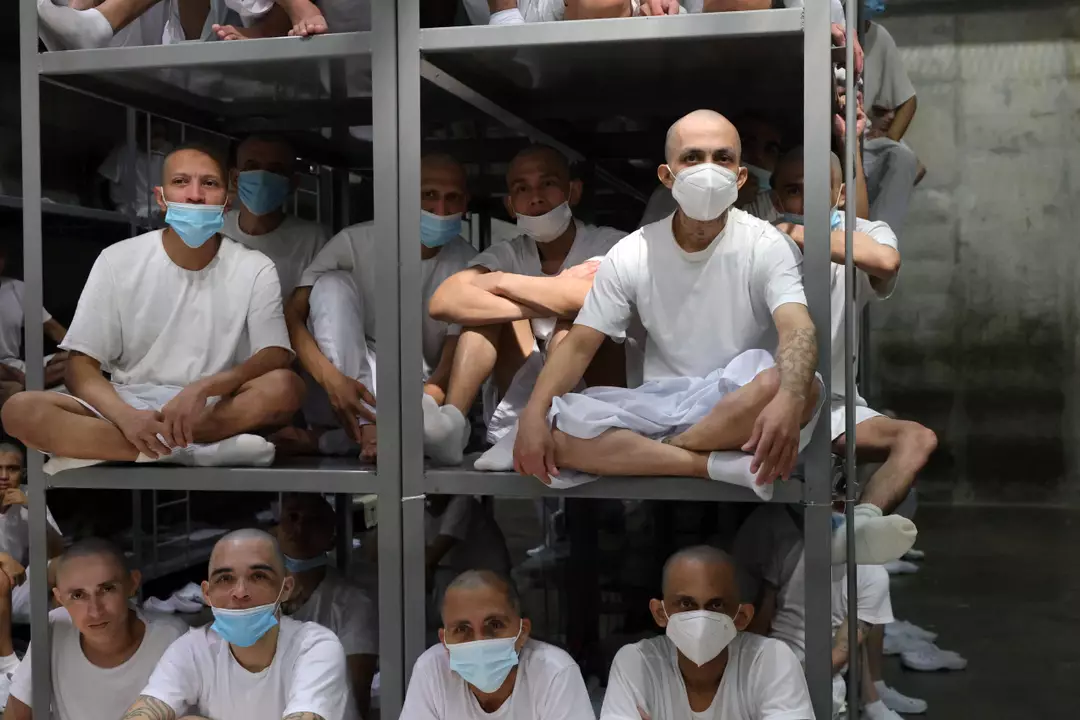
In a new Channel 5 documentary, CECOT director Belarmino García is said to greet arrivals with a blunt message: “Welcome to hell”.
After crossing the threshold, inmates reportedly sleep without mattresses, are forbidden from talking to one another, and are given only a bible to read.
The prison was built as part of President Nayib Bukele’s crackdown on gangs. Detainees are typically allowed out of their large cells for just 30 minutes each day, during which they can do callisthenics and study bible passages.
Those accused of breaching strict rules — including fighting — may be placed into small isolation cells for as long as 30 days.
This Morning presenter Richard Madeley, who fronted the Channel 5 programme Richard Madeley: Inside the World’s Mega Prison, described what these isolation rooms are like after entering one with night-vision equipment.
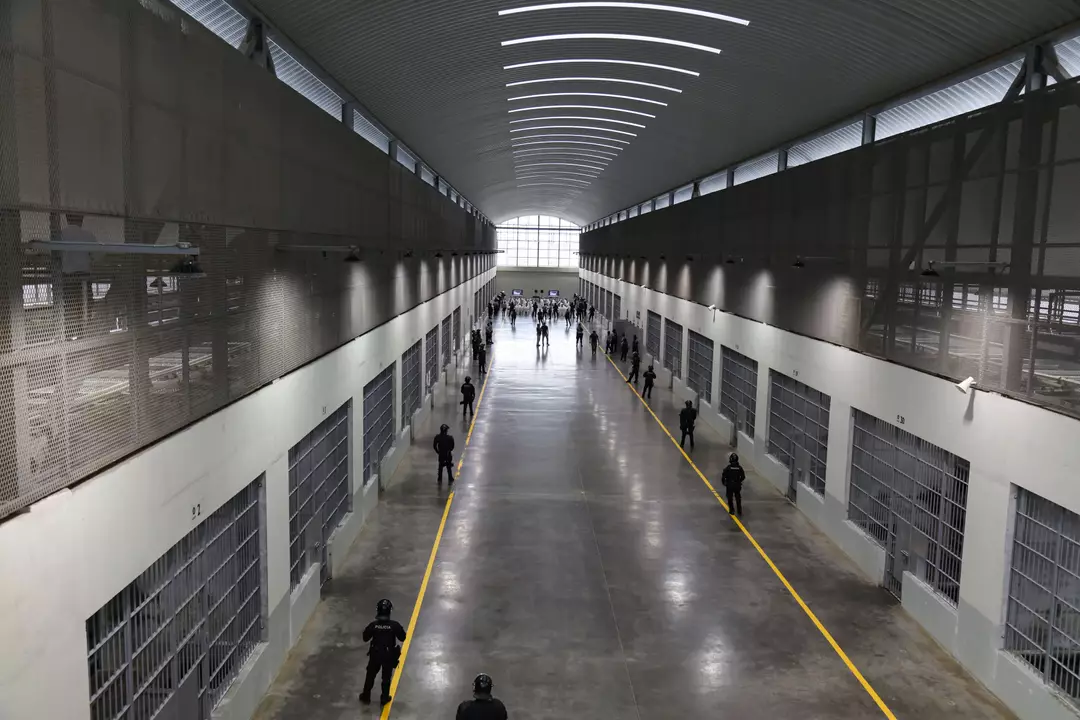
He said that inside the darkness, you have to “grope your way to the stone sink here and you have to grope your way to the toilet and somehow find the bowl that you need to flush it”.
“This is the one place in this jail that does have an odour. There’s a certain odour here I can’t really describe,” he stated. “It’s fear.”
Madeley suggested that these isolation spaces make the rest of the prison feel comparatively bearable, saying it “seem[s] like freedom”, before adding: “Boy, you would do exactly what you are told.”
CECOT is believed to contain 96 isolation cells in total.
However, García reportedly insists these units are almost never used.
When Madeley asked whether he felt the conditions could be considered “cruel”, the director ended the exchange by instructing the crew to leave.
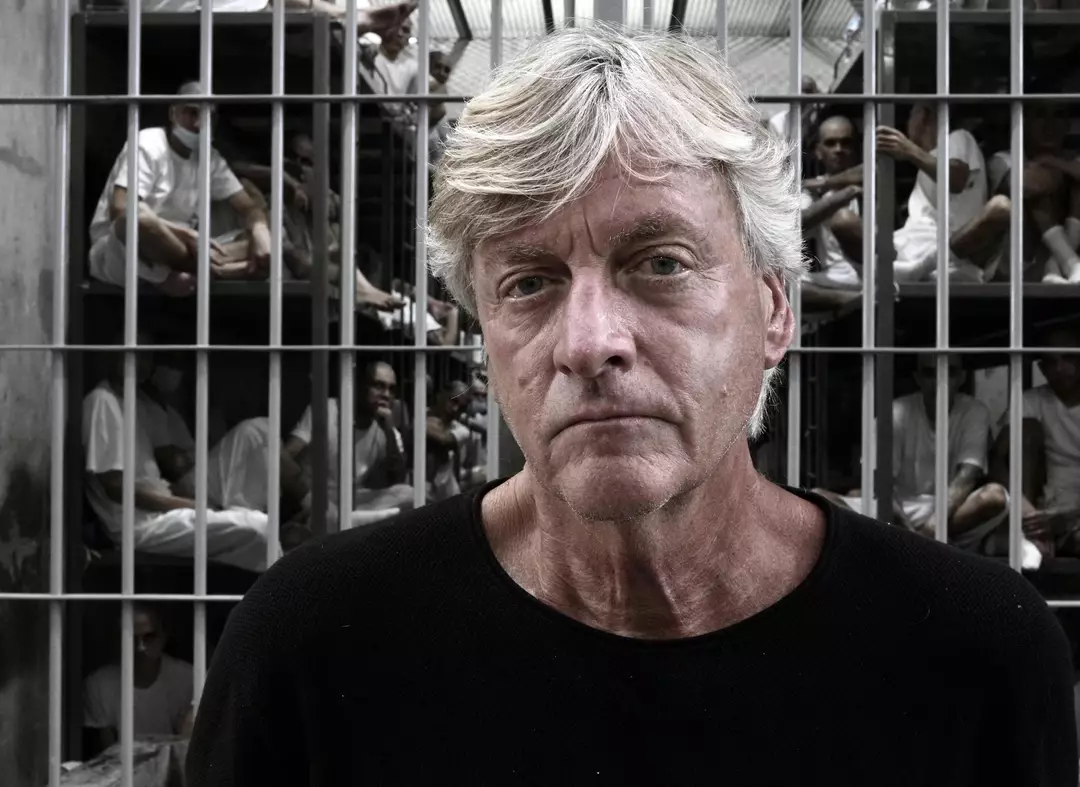
“I think I may have overstepped the mark,” the presenter said. “My questioning led to some questioning. I’m still hoping to see much more of the prison but for now, we’ve been shown the door.”
Inmates inside the complex — often referred to as “the Alcatraz of Central America,” — reportedly follow an 1,800-calorie daily diet.
Food is said to be basic, including beans, rice, pasta and hard-boiled eggs, and must be eaten by hand, according to the BBC.
“Any utensil can be [fashioned into] a deadly weapon,” García reasoned.
Richard Madeley: Inside the World’s Mega Prison is now streaming on YouTube.