

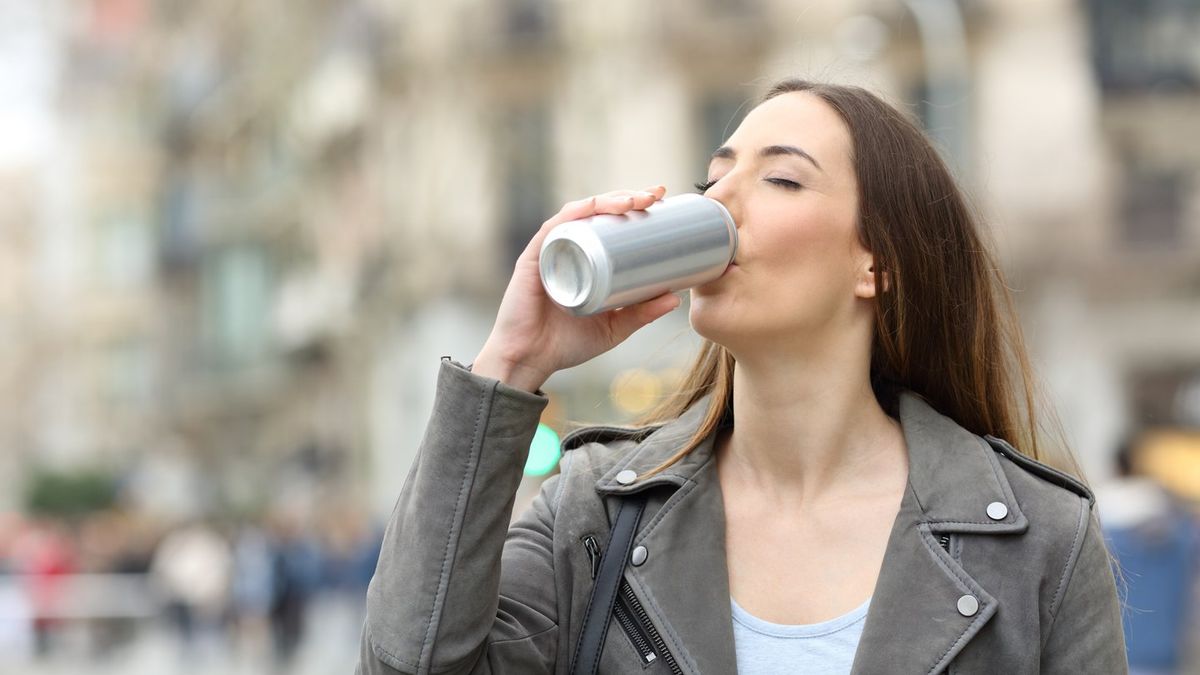
A cardiologist has already warned about the long-term damage of drinking too many soft drinks, but a new video breaking down what happens inside your body the moment you crack open a can is as equally eye-opening.
Soda has earned some brutal nicknames lately, and a viral simulation now shows—step by step—what unfolds in your body almost immediately after that first sip.
‘liquid death’
The phrase has been popularised by Dr Jeremy London, a board-certified vascular, thoracic and general surgeon, who has repeatedly spoken out about the harm fizzy drinks can do over time—particularly the diet versions.
Speaking to TODAY, he called soft drinks
“a scourge in our society,”
And warned that the sugar load can lead people to take in far more calories than they think.
Even swapping to diet soda may not be the free pass many assume. Some research has associated frequent diet soda intake with reduced consumption of milk, calcium and other important nutrients, along with a higher risk of health issues including diabetes.
The video lays out what happens once soda hits your digestive system. It reaches the stomach first, where carbonation releases carbon dioxide gas, before moving into the small intestine. From there, a concentrated hit of sugar and caffeine is rapidly absorbed into the bloodstream.
In response, the pancreas pumps out insulin to manage the sudden sugar surge, while the liver ramps up its workload processing both caffeine and fructose at the same time.
As those compounds circulate, your heart rate can climb.
In the brain, caffeine passes the blood-brain barrier and blocks adenosine receptors that normally help you feel tired. It can also prompt a dopamine release, creating that short-lived lift in alertness and mood—often followed by an inevitable slump.
Your kidneys also have more to do, filtering the extra sugar and caffeine and increasing urine production, which can leave you slightly dehydrated. Meanwhile, the drink’s acidity and sugar begin wearing down tooth enamel as soon as it touches your teeth.

Gut health experts at Zoe say consistently drinking soda—diet or regular—comes with multiple potential downsides worth keeping in mind.
For digestion, carbonation can trap gas and leave you feeling swollen or uncomfortable, and caffeine may stimulate the gut, sometimes triggering diarrhea in people who are more sensitive.
Sleep can also take a hit. With caffeine’s half-life sitting at roughly six hours, general guidance is to avoid it for at least six to eight hours before bedtime. Separately, a study in the Nutrition Journal suggested artificial sweeteners may disrupt sleep-wake patterns in animal models, with researchers still working to understand what that means for humans.
Some regular diet soda drinkers also report more headaches, especially those already prone to them, with sweeteners such as aspartame and sucralose often highlighted as possible contributors in various studies.
And if you notice you’re hungrier after a diet soda, that may not be random. A 2021 study found diet soda was linked to increased activation in reward pathways in the brain while reducing activity in areas associated with self-control.
If you want to cut soda out, the simplest swaps are water, unsweetened tea, coffee, or water infused with fruit.
If you still want something with a bit more flavour, kombucha or homemade iced tea can be good alternatives.