

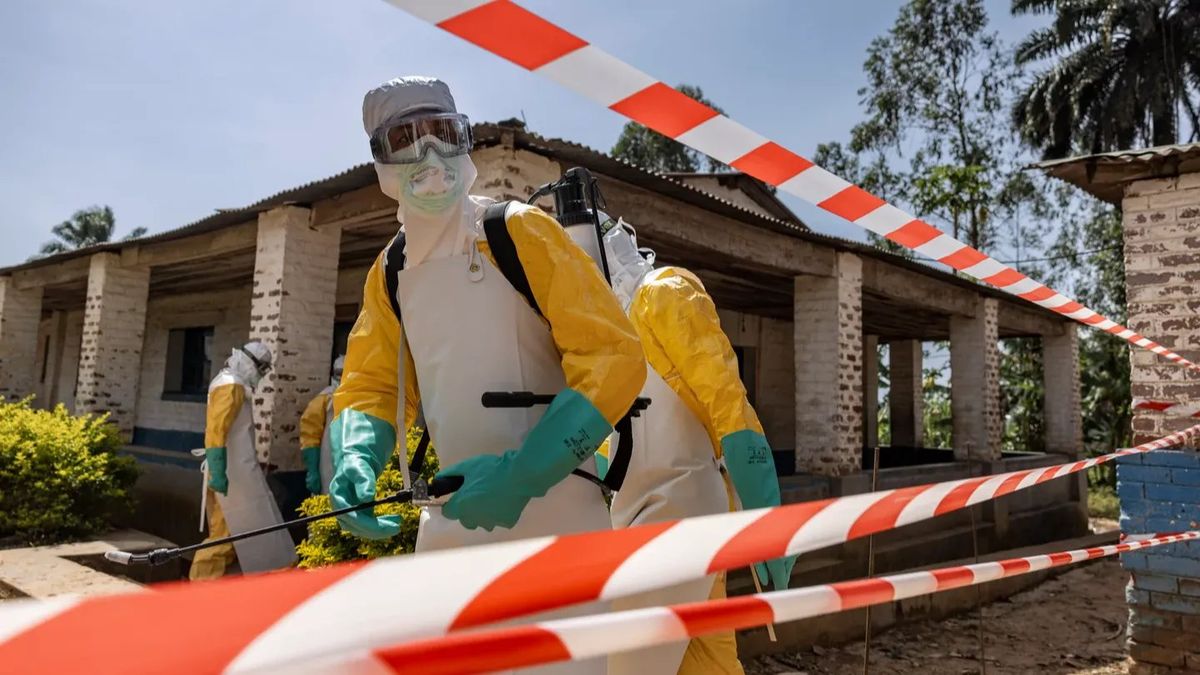
The director of the World Health Organization has travelled to the centre of a rapidly escalating Ebola emergency, as specialists caution that infections are climbing quicker than international efforts can respond.
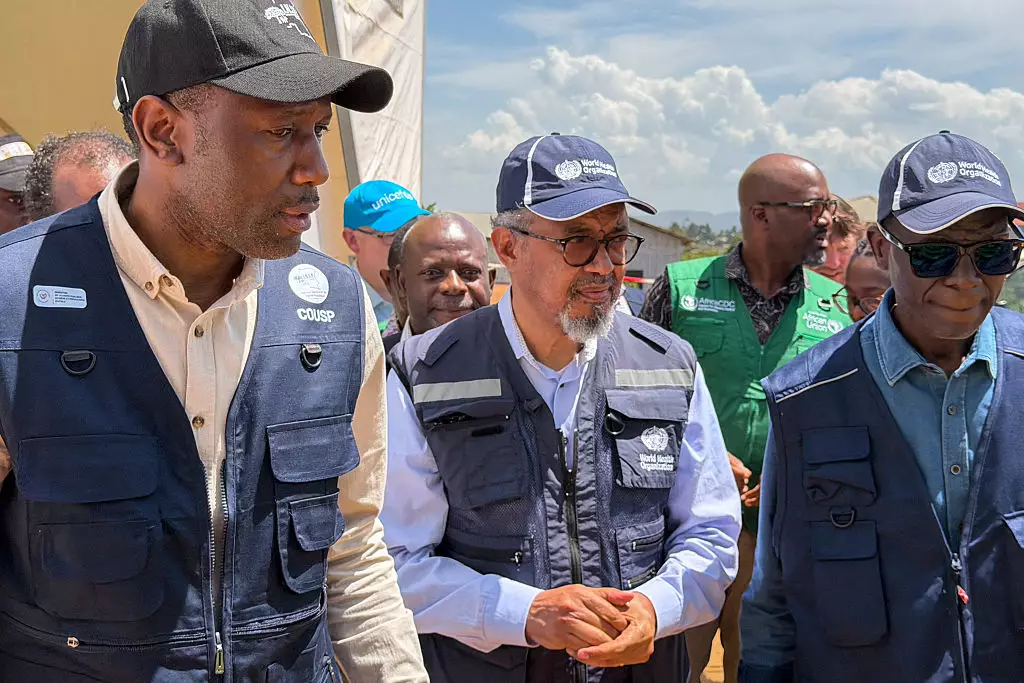
WHO Director-General Tedros Adhanom Ghebreyesus arrived on Saturday in Bunia, the capital of Congo’s Ituri province and the current focal point of the outbreak. Health officials on the ground say the pace of transmission is making this one of the fastest-developing Ebola events they have documented.
The latest figures underline the urgency. Across the Democratic Republic of Congo, authorities have logged 906 suspected cases alongside 223 suspected deaths. In neighbouring Uganda, nine confirmed infections and one death have also been reported.
For those with confirmed infections, the fatality rate is believed to sit between 30% and 50%.
“That means up to five out of 10 people are likely to die,” WHO High Threat Pathogens official Anais Legand said bluntly at a press conference.
A key concern is the particular type of virus involved. The outbreak is being driven by the Bundibugyo strain, a less common form of Ebola that currently has no approved vaccines or treatments. This distinguishes it from the Zaire strain behind the 2014–16 West Africa crisis, for which some countermeasures were available.
Doctors Without Borders stressed the unprecedented speed of the surge on Saturday: “Never before has an Ebola outbreak recorded so many cases so soon after its declaration. Nobody knows the true scale and severity of this outbreak.”
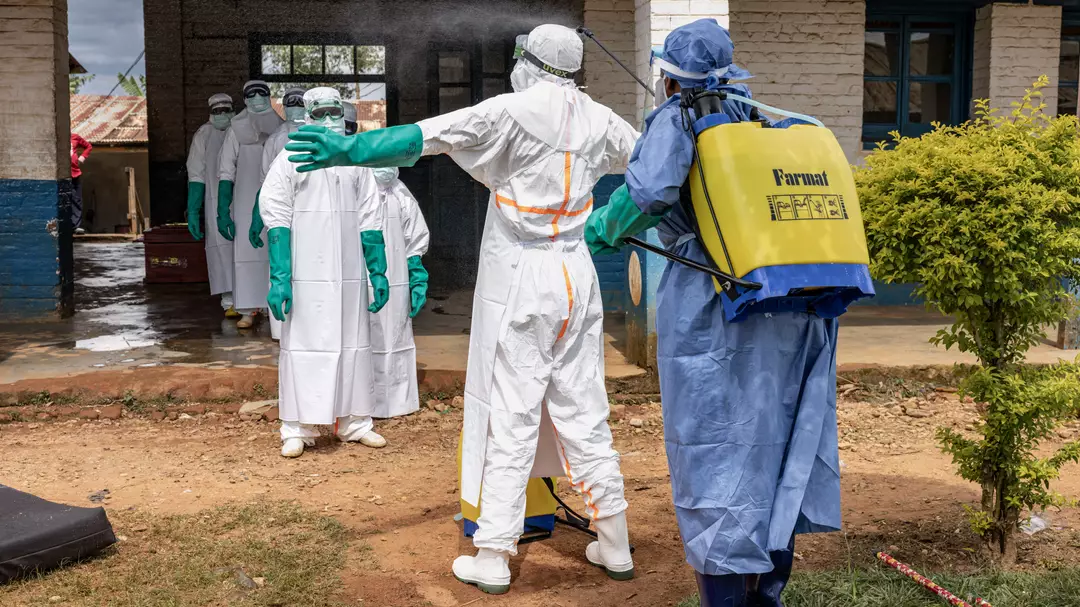
Multiple barriers are slowing containment work. Ongoing violence in the area, including activity linked to the Allied Democratic Forces and the Rwanda-backed M23, has made it difficult for response teams to reach affected communities safely.
Officials are also facing resistance from some residents. At least three assaults on health facilities have been reported following disputes over Ebola safety rules for handling bodies, which can clash with long-standing local burial traditions.
Appearing alongside Congo’s health minister, Tedros said gaining cooperation requires time and dialogue.
“We are not here to tell people what to do, we are here to listen,” he said. “Building trust takes time, and it starts with listening.”
Elsewhere, a related legal dispute is unfolding in Kenya. A Kenyan court has issued a temporary block on a US proposal to accommodate up to 50 Americans who may have been exposed to Ebola at a provisional facility constructed by the US military at Laikipia Air Base.
The Katiba Institute challenged the arrangement, saying it presents “grave constitutional concerns.” A judge ruled the facility cannot begin operating until the matter returns to court on June 2, despite US officials stating that Kenya had agreed to the plan only a day earlier.
To date, one American — a missionary doctor — has been exposed during the outbreak.
He is now receiving treatment at a hospital in Prague.
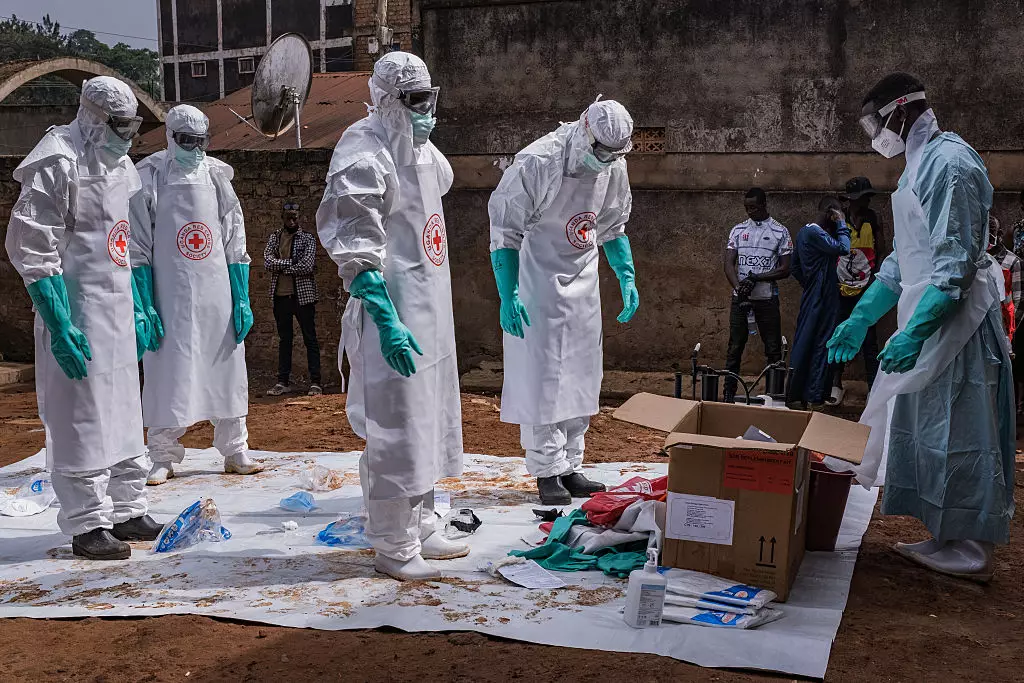
The US has pledged more than $112 million to support response operations, including $80 million announced this week.
More than 230 CDC staff are assisting, with 54 assigned to passenger screening at four airports in the United States.
On treatment and prevention, WHO advisers have urged a focus on three leading therapeutic options: the antiviral remdesivir and two monoclonal antibody candidates. Meanwhile, the front-running vaccine candidate may still be as far as nine months away from entering clinical trials.
Tedros has also called on governments that introduced travel restrictions — including the US, Uganda and Rwanda — to reconsider, arguing that such steps “discourage the transparency that saves lives.”