

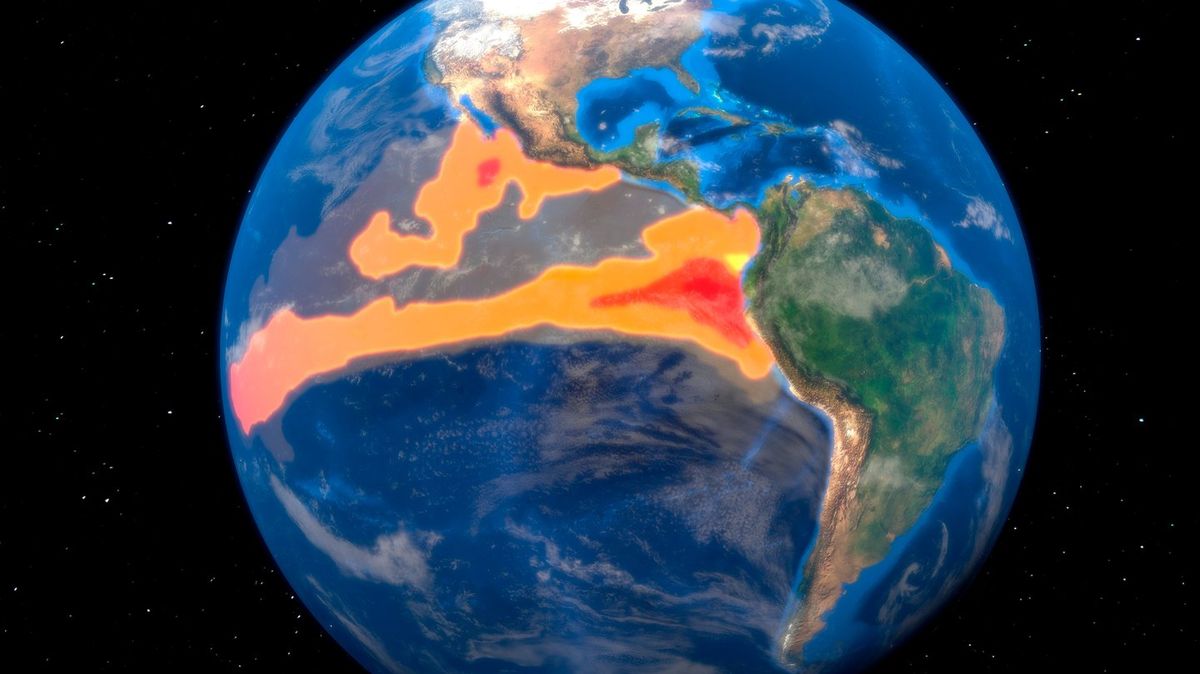
Scientists have warned that a predicted Super El Niño could make the chances of further hantavirus outbreaks more likely.
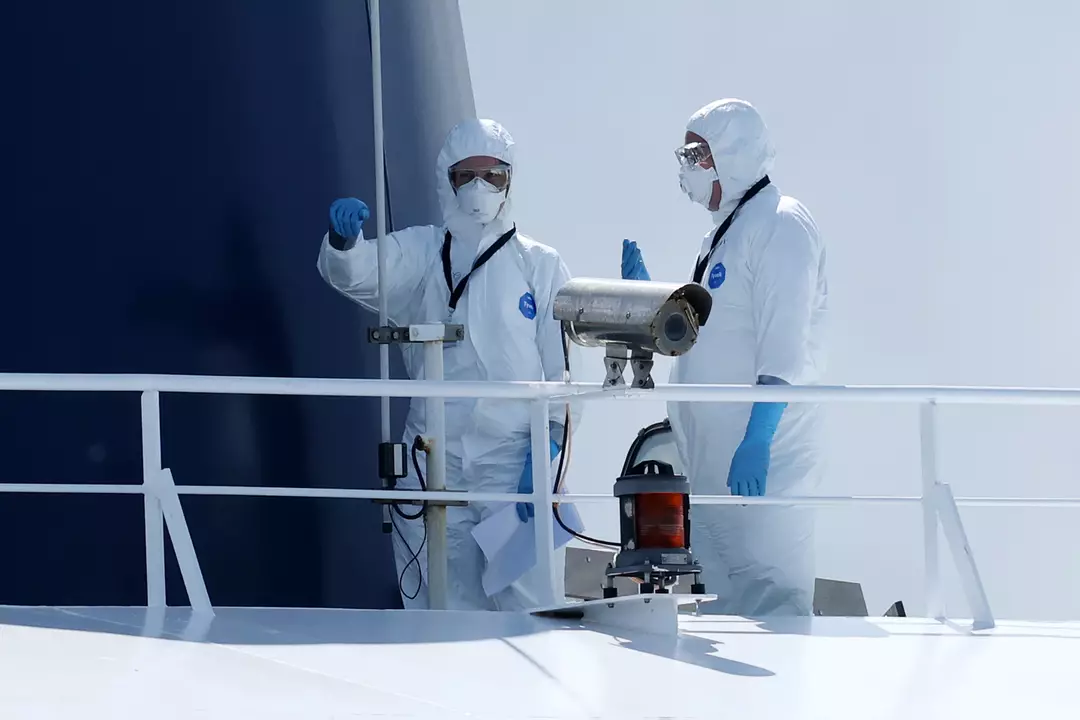
The illness was recently identified on the cruise ship MV Hondius. The World Health Organisation said that, as of May 21, there had been 13 cases reported, including three deaths.
While the incident prompted a co-ordinated international response, researchers are now cautioning that a potential Super El Niño later this year could raise the risk of additional outbreaks.
El Niño is a naturally occurring climate pattern driven by changes in ocean surface temperatures. A “super” El Niño refers to periods when those temperature shifts exceed certain thresholds.
These changes can significantly influence weather patterns worldwide, increasing the likelihood of extreme conditions. Depending on the region, that can mean anything from prolonged drought to intense rainfall and flooding.
But how does a weather-driven phenomenon connect to the spread of a serious infectious disease?
Scientists say the link comes down to how El Niño can reshape environmental conditions in ways that may affect how hantavirus circulates and spreads.
Hantavirus can be transmitted through contact with infected animals such as rats, mice, and deer. When weather patterns lead to increased vegetation growth, it can create more food and shelter for these animals, helping their populations expand.
As the number of potential carriers rises, the chances of human exposure can increase too, which may make new outbreaks more likely.
Stephanie Seifert is am associate professor at Washington State University, and told Newsweek: “There’s a classic idea of a ‘trophic cascade’ linked to the Four Corners outbreak: more rain leads to more vegetation, more vegetation supports more rodents, and more rodents can increase hantavirus risk.

“This was largely supported by Yates et al. in 2002, where they found evidence of increased risk of HPS incidence following high precipitation events associated with El-Niño in the southwestern United States.”
She also noted that rainfall is only part of the picture, and that other environmental factors can also influence increases in deer and mouse populations.
Forecasters have suggested El Niño is highly likely this year, including an 82 percent chance between May and July, followed by a 96 percent chance of the pattern persisting across the northern hemisphere between December 2026 and February 2027.
Although El Niño itself is not caused by climate change, experts say climate change can intensify its impacts, potentially making the most disruptive effects more severe.