

Archaeologists exploring Eastern Sudan’s desert landscape have uncovered a discovery that grows more unsettling the more you learn about it.
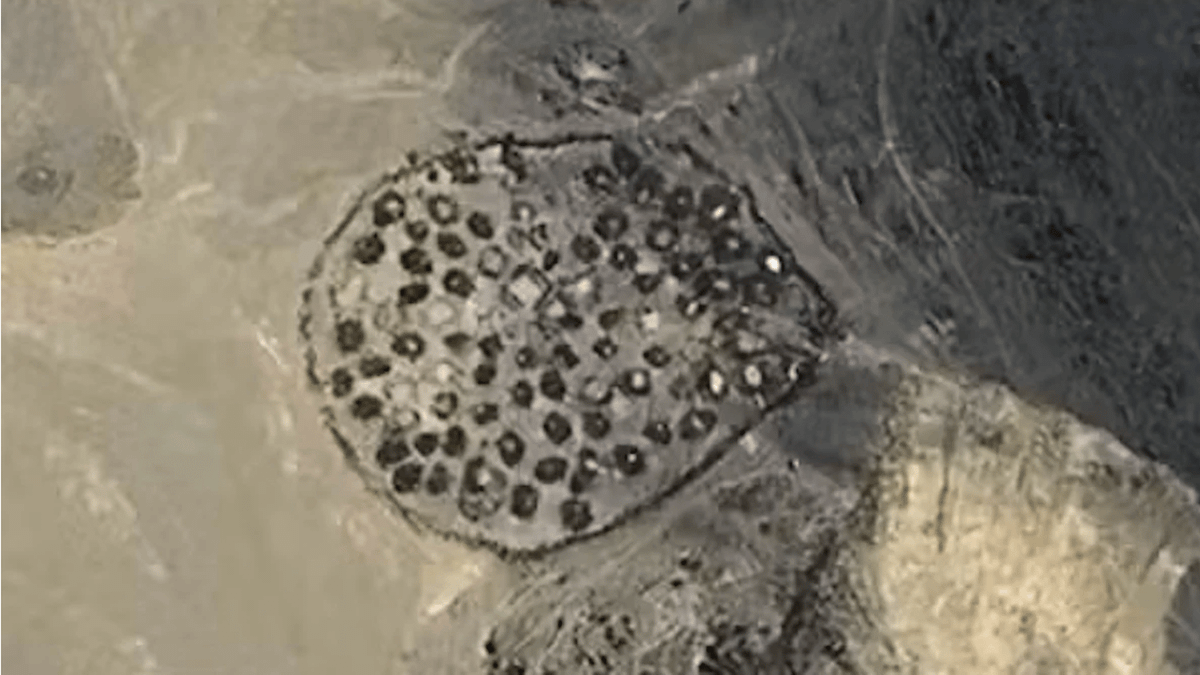
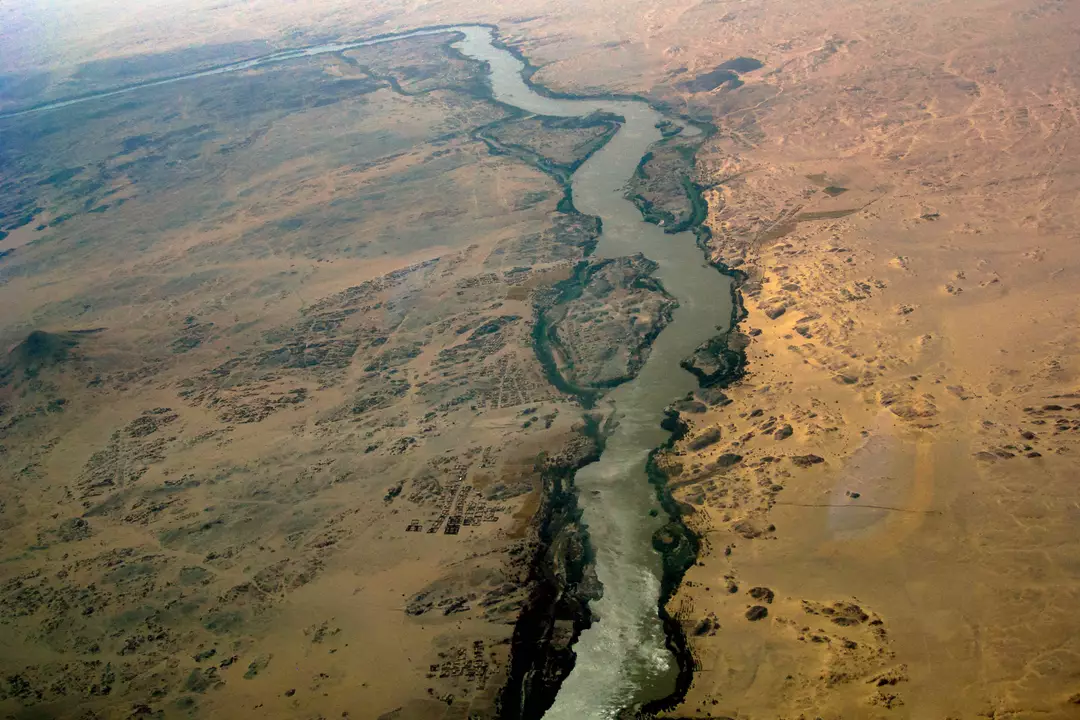
Researchers from Macquarie University, France’s HiSoMA research unit, and the Polish Academy of Sciences have identified 260 previously undocumented mass graves spread across nearly 1,000km of the Atbai Desert, east of the Nile.
What links every site is a chilling uniformity. These locations—described as “enclosure burials”—repeat the same layout again and again: a wide circular wall, sometimes reaching 80 metres across, enclosing carefully placed human and animal remains. At the heart of each circle lies one standout individual, positioned as the focal point, with all other burials arranged around them.
Inside these enclosures, animals appear to have been buried as part of the ritual—cattle, sheep and goats laid to rest alongside people, as though accompanying the dead into whatever came next.
The burials are thought to date to roughly 4000–3000 BCE, putting them at around 6,000 years old and earlier than Pharaonic Egypt. Rather than locating them through excavation, the team used satellite imagery to methodically scan the desert from above, a long-running remote sensing effort that revealed features impossible to spot at ground level.
Perhaps the most remarkable element is how systematic it all seems. This wasn’t a rare custom practiced in one place; the number of sites and the repeated design suggest a shared tradition used across an enormous area of the Sahara, pointing to an organised culture with consistent beliefs about death, status and commemoration.
That raises the obvious question: who created these burials?
The researchers believe they were built by Saharan nomadic herders whose lives were bound to their animals. Cattle, in particular, appear to have carried deep cultural importance, supported by nearby rock art depicting livestock. In a tough environment that was becoming increasingly dry, maintaining large herds would have signalled wealth and power—so it follows that livestock also played a role in elite burials.

The layout of the graves also suggests early social stratification. Several sites show a clear pecking order, with a central primary burial encircled by secondary ones, implying certain individuals—possibly chiefs or key leaders—were commemorated in ways others were not.
Ultimately, the culture that created these enclosures appears to have been undone by environmental change rather than conflict. As the “African Humid Period” ended and the Sahara dried, the region could no longer sustain large herds. Communities likely migrated south or toward the Nile, while others may have faded away entirely—leaving the desert to preserve their burial monuments for thousands of years.
Now, however, that preservation is under threat. Unregulated mining in the area is damaging and destroying sites, meaning structures that endured 6,000 years of exposure could be lost in a matter of days.