

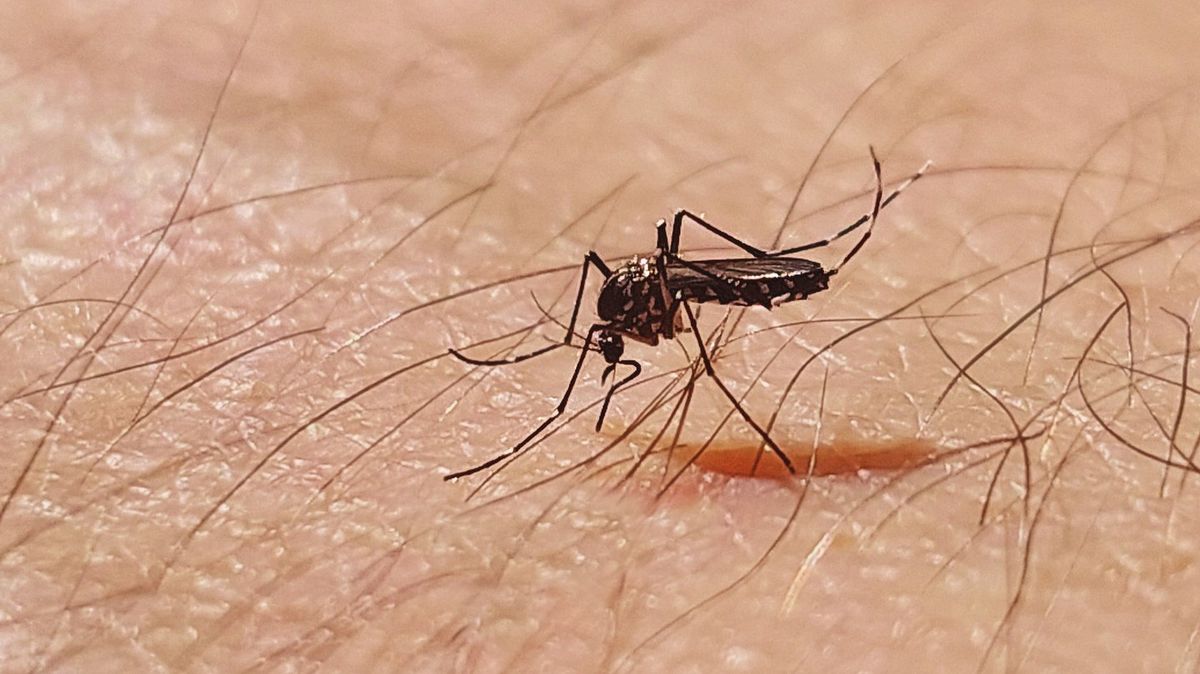
Google has confirmed plans to release 32 million mosquitoes into Florida as part of a new initiative.
It sounds like something out of a spy film, but the proposal is tied to a public health effort aimed at cutting the spread of mosquito-borne disease in the state.
Google is currently pursuing federal clearance for the project, working alongside a company called Debug.
Despite their size, mosquitoes are among the deadliest creatures to humans because they can transmit illnesses including malaria, West Nile virus, Zika, yellow fever, dengue, and St Louis encephalitis.
In other words, their impact isn’t about strength or venom, but the enormous number of infections and deaths linked to the diseases they carry.
Male mosquitoes typically feed on plant sugars, but females that are producing eggs require extra nutrients, which is why they bite and drink blood — including from humans.
With that in mind, the idea of releasing tens of millions of mosquitoes might seem counterintuitive. The reasoning, however, is based on biology rather than increasing the biting population.
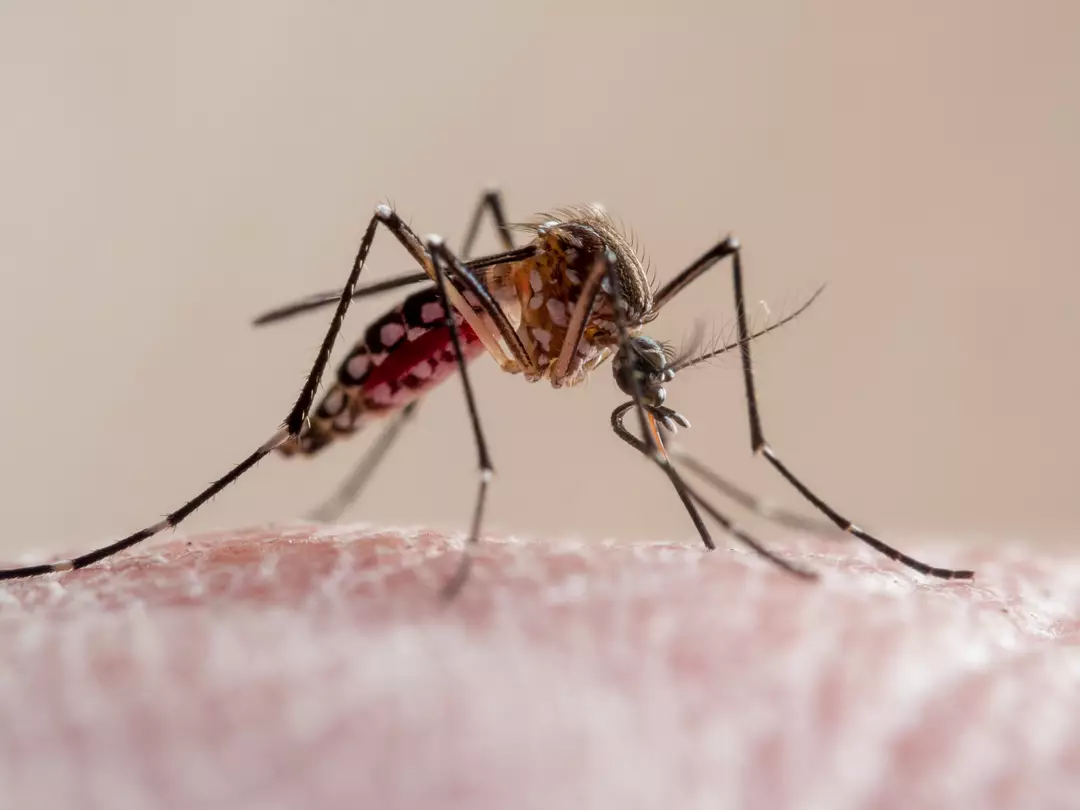
The mosquitoes involved would carry Wolbachia, a parasitic bacterium that, according to Metro, is central to the plan.
Wolbachia is considered harmless to people and is already found naturally in many insects, including bees and butterflies.
In mosquitoes, the bacterium affects reproduction. Infected females can pass it on to their offspring, and in some cases the infection prevents eggs from developing properly, meaning they don’t hatch.
The goal is to introduce Wolbachia widely enough into wild mosquito populations that overall numbers drop, lowering the risk of disease transmission. This approach is often referred to as the Sterile Insect Technique.
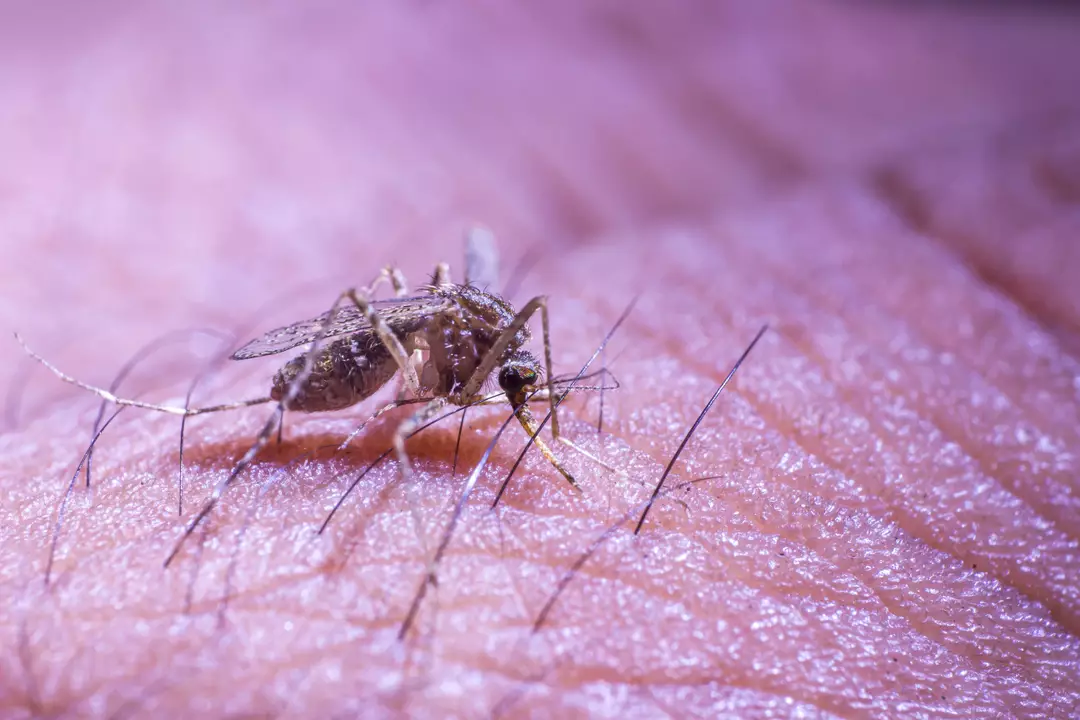
The website for Debug says: “We’re combining the Debug team’s scientific and engineering expertise with the help of international partners to raise and release lots of good bugs and stop bad mosquitoes that can spread disease.”
Still, not everyone is fully convinced. Florida resident Brent Nye shared his concerns with 10 Tampa Bay News: “I’m not sure whether I would want them in my backyard because there are going to be a lot of things that go wrong.”
Alphabet, Google’s parent company, launched Debug in 2016. Its FAQ page says it is ‘actively working with organisations like national and local governments, community leaders and research institutes’ to ensure it ‘understands local concerns and considerations’.
For now, the release has not received final approval. The proposal is under review by the Environmental Protection Agency after Google submitted an Experimental Use Permit application.