

Warning: This article contains discussion of rape which some readers may find distressing.
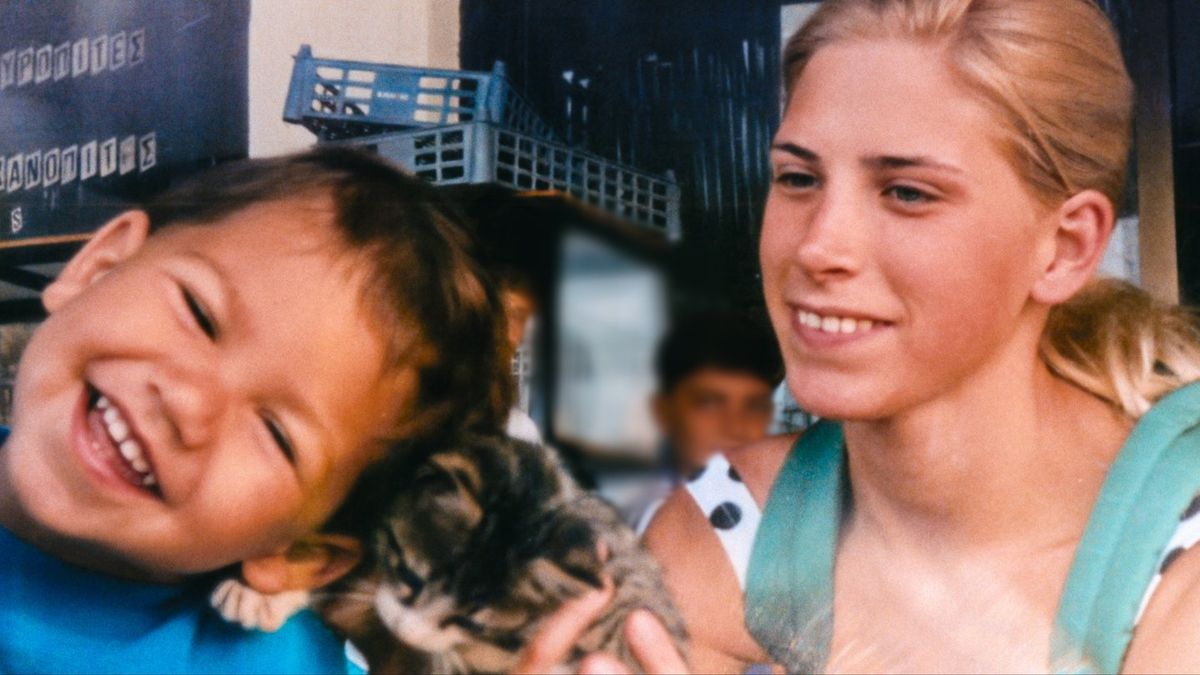
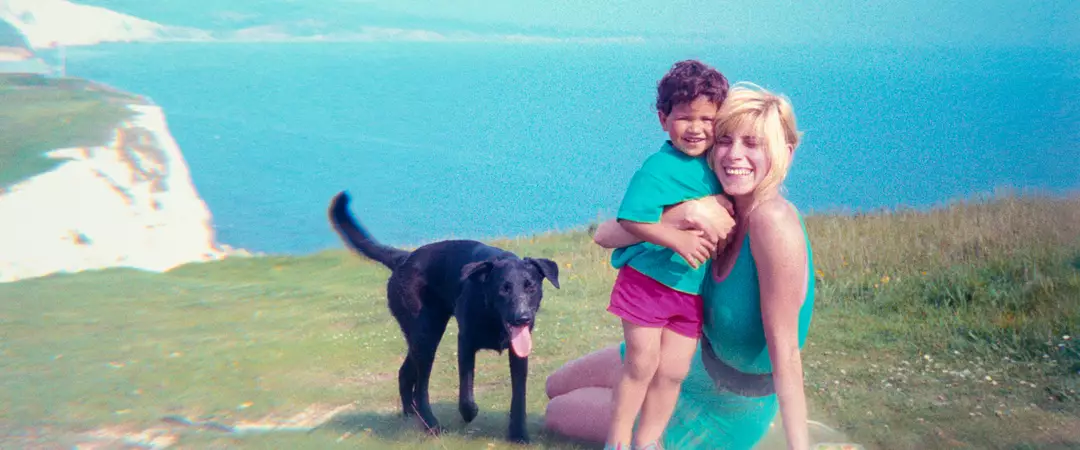
Thirty-four years have passed since Rachel Nickell was murdered on Wimbledon Common in London, killed in front of her two-year-old son, Alex.
A new Netflix documentary revisits the case and includes detectives’ reflections on how the outcome might have been different, arguing the killing could have been ‘prevented’ were it not for what they describe as a ‘catastrophic’ police error.
The attack, carried out in daylight, left Alex as the only witness. Despite the intense national attention that followed, the investigation initially struggled to identify the true offender, allowing him to remain at liberty for years.
Netflix will release The Murder of Rachel Nickell on Thursday June 4. The documentary features interviews with Rachel’s husband, André Hanscombe, and Alex, now 36.
In the year following the killing, police arrested and charged Colin Stagg over the death of Nickell, who was stabbed 49 times. The prosecution later collapsed after serious problems were identified with an undercover “honey trap” operation, involving investigators exchanging sexual messages with Stagg. In September 1994, Mr Justice Ognall ruled the evidence inadmissible and the case was stopped.
Only much later did detectives identify the real killer: Robert Napper. By then, the Nickell inquiry had effectively become a cold case after resources were reduced, and Napper was already in custody for another violent crime.
On 3 November 1993, Samantha Bissett and her four-year-old daughter Jazmine were stabbed to death at their home in Plumstead. Napper was arrested the following year after fingerprints were found at the scene.
Even so, it wasn’t until December 2007 that Napper was formally charged with Nickell’s murder, after advances in DNA profiling linked him to the case. Investigators in the documentary say earlier failures meant he had remained free after a string of sexual attacks in the years before the killings.
Napper, then 28, had come to police attention roughly three years before Nickell’s death, when a serial rapist was attacking women in south-east London, in some cases with children present. DNA work produced a suspect profile, and two women contacted police to say an artist’s impression resembled Napper.
Officers visited Napper at home and asked him to attend a station the following day. He did not attend, and he was later discounted as a suspect after being judged ‘too tall’ to match the description provided by victims.
“The decision was then made by the senior investigating office and his deputy to to exclude him as a subject in that enquiry,” Roger Boydell Smith, who worked on the Bissett investigation, tells the documentary.
“So basically nothing else was done, which baffles me to this day. Had Napper had attended the police station as he said he would, and his blood sample taken, he would have been arrested for the Green Chain Walk Rapes,” he adds.
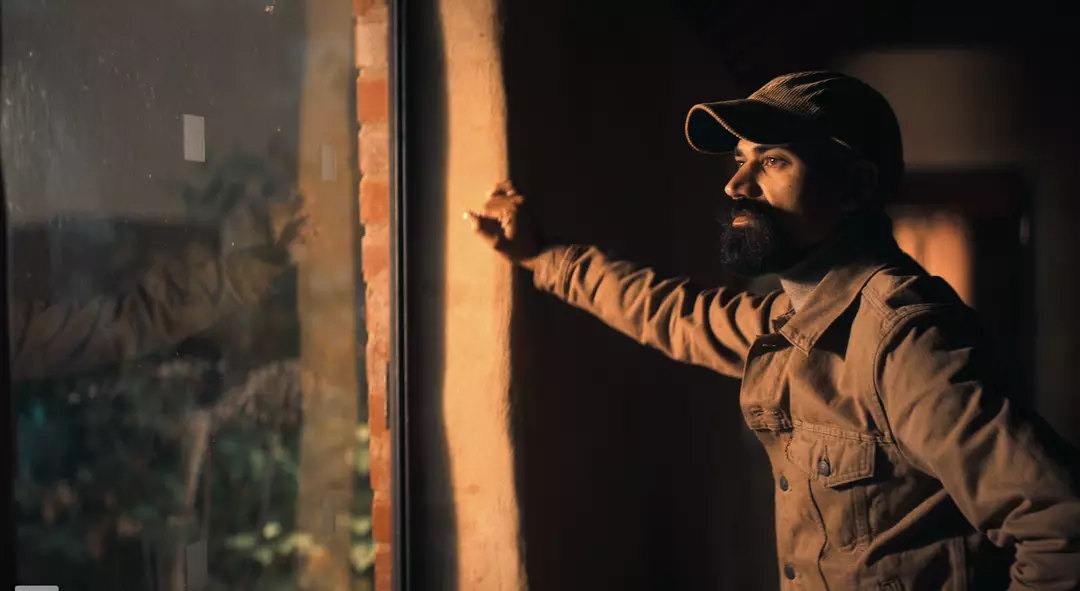
“He didn’t, and it had catastrophic consequences,” he says.
The documentary also notes that Napper’s mother previously contacted police to report that her son had confessed to raping a woman, but the information was not pursued.
During the Bissett investigation, detectives said they raised concerns with senior officers working on the Nickell inquiry, pointing to similarities and the possibility the same person was responsible. Roger Boydell Smith says those concerns were brushed aside because the Nickell team already had Stagg in custody.
Stagg appears in the documentary as well, describing how the false allegation against him ‘ruined his life.’
The Murder of Rachel Nickell will be available for streaming on Netflix on June 4.
If you’ve been affected by any of the issues in this article, you can contact The National Sexual Assault Hotline on 800.656.HOPE (4673), available 24/7. Or you can chat online via online.rainn.org
Below is a timeline of key events connected to the case:
The mother of Robert Napper, from south-east London, contacts the police to say her son has told her he’s raped a woman on Plumstead Common in London. However, police can’t trace a rape and Napper is never questioned about this alleged crime.
Two 17-year-old girls survive rape attempts within an eight-day period on Green Chain Walk in Hither Green, south-east London.
A mother is raped on Green Chain Walk. Her child is with her throughout the ordeal.
23-year-old Rachel Nickell is stabbed 49 times on Wimbledon Common on 15 July. She is found dead with her distraught two-year-old son by her side.
Colin Stagg, who lives near the common, is arrested on suspicion of murdering Nickell after Crimewatch callers report him looking like a photofit of the killer.
Napper is eliminated from the Green Chain rape enquiry for being ‘too tall’. Later in the month, he is arrested for possession of a firearm and ammunition, and is sentenced to eight weeks in prison.
Stagg is formally charged with Nickell’s murder.
Samantha Bissett and her four-year-old daughter Jazmine are found assaulted and murdered at their home in Plumstead, south-east London, on 3 November.
Napper’s fingerprints are found at the scene of the Bissett murders, and a sneaker footprint matches his. He is arrested for their murders, and DNA tests identify him as the Green Chain rapist.
The case against Stagg is thrown out by Mr Justice Ognall.
Napper pleads guilty to the manslaughters of the Bissetts, two attempted rapes, and one rape on the Green Chain walk. He is sent to the notorious high-security psychiatric hospital Broadmoor, though he later denies going to Wimbledon Common when asked about Nickell’s murder.
After intensive private investigating, Napper is charged with Nickell’s murder.
Stagg is awarded £706,000 ($949,640) in compensation by the Home Office for being wrongly accused of Nickell’s murder.
Napper pleads guilty to manslaughter of Nickell on the grounds of diminished responsibility after being diagnosed with paranoid schizophrenia and Aspergerger’s syndrome.