

A scientist has outlined several key indicators that an El Niño could be close, following forecasts that the pattern may soon develop.
El Niño is a natural climate cycle linked to changes in sea-surface temperatures in the Pacific Ocean.
When those ocean temperatures increase, the atmosphere can respond in ways that disrupt typical weather behaviour, and the impacts can differ dramatically from one region to another.
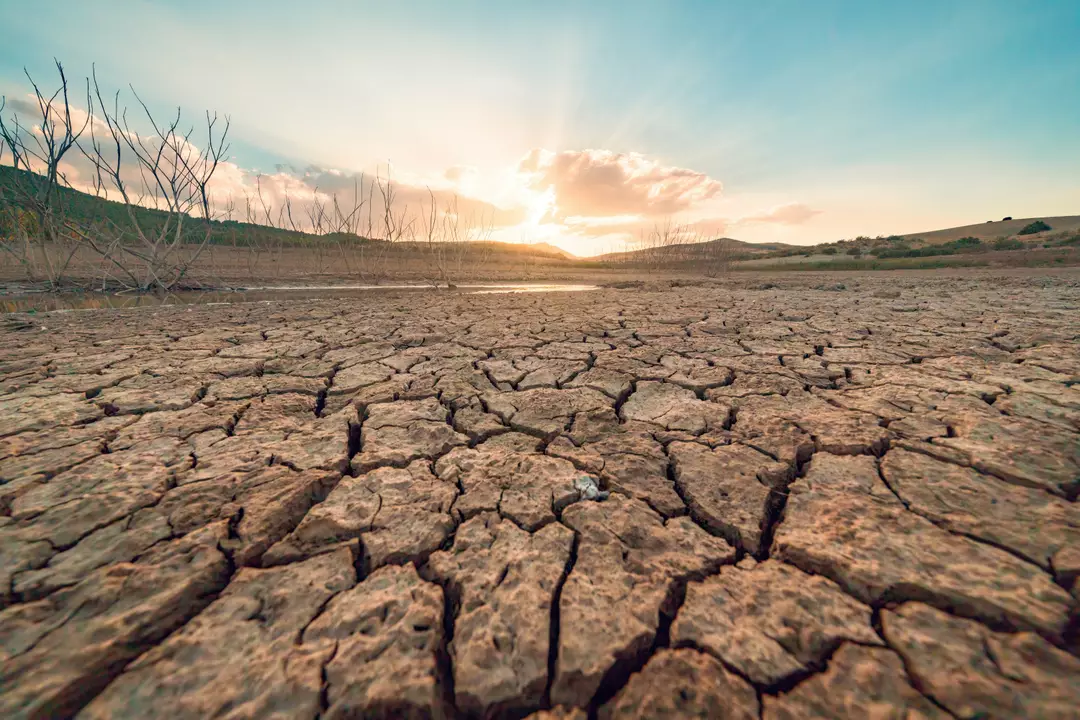
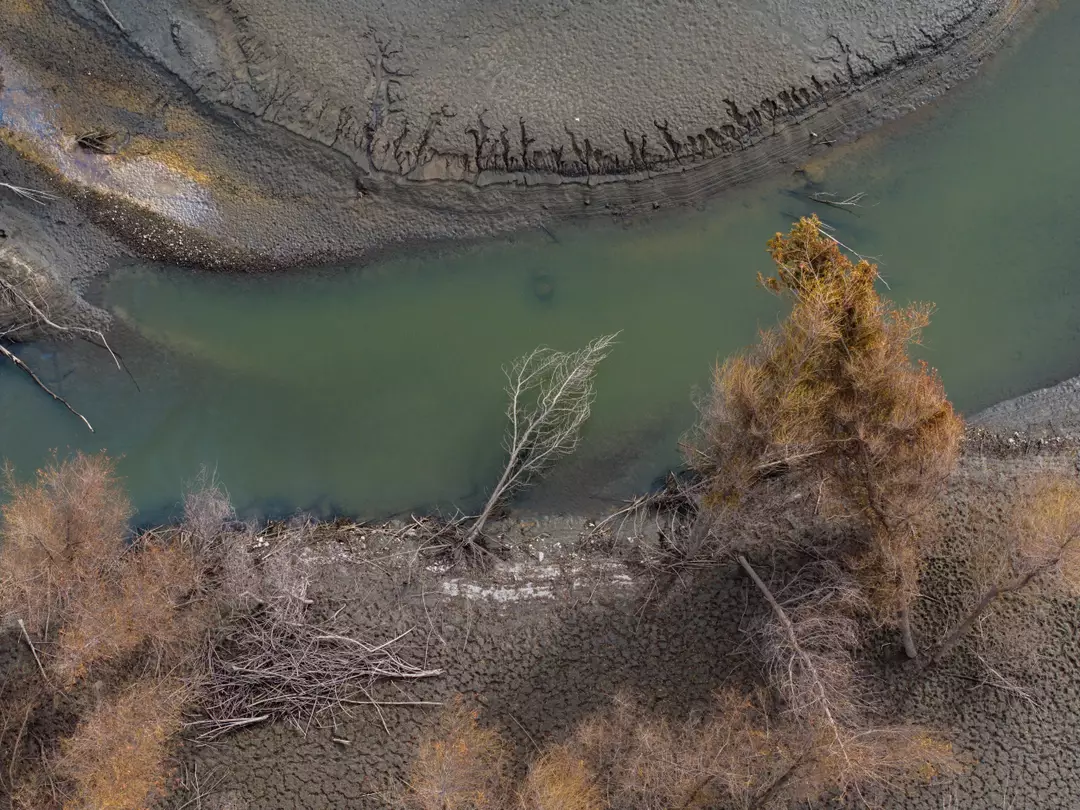
What many of those outcomes share, however, is a higher likelihood of extreme conditions — including episodes of intense rainfall and flooding in some places, alongside drought and wildfire risk elsewhere.
While El Niño itself is not caused by climate change, researchers say a warming climate can intensify some of the extreme-weather effects associated with it.
Scientists generally look for four core signals when assessing whether El Niño is developing.
Michelle L’Heureux is a physical scientist at the National Oceanic and Atmospheric Administration’s Climate Prediction Center in Maryland and leads the ENSO team, which tracks El Niño and La Niña and issues forecast updates.
L’Heureux said: “We determine El Nino’s arrival by monitoring the surface temperature departures across the east-central equatorial Pacific Ocean.”
She explained that sea-surface temperature is the primary metric they track, but it’s only one part of the picture.
They also monitor atmospheric pressure patterns, since shifts between higher and lower pressure can help signal broader changes that influence storm tracks and other severe weather risks.
Wind behaviour is another major clue, with stronger winds among the conditions watched closely, and the fourth indicator is changes in rainfall across the equatorial Pacific.
There are already signs that conditions could align for an El Niño this year. L’Heureux added that the phrase ‘Super El Niño’ is not an official NOAA label, noting it ‘does not have a ‘super El Nino’ definition’, but that they do ‘provide chances of different strengths, ranging from weak to very strong’.
In the most recent update, the team said there remained ‘still significant uncertainty’ about how powerful an El Niño might become if it forms.
Even so, forecasters indicated it ‘may form sometime during the May-July 2026 season’
So what should people expect if El Niño does appear?
L’Heureux advised: “When we see features in both the ocean and atmosphere changing, we will declare the onset of El Nino in the form of an ‘El Nino Advisory’.”
Because El Niño can reshape weather patterns across the globe, monitoring its potential arrival — and how strong it could be — remains a major priority for forecasters.