

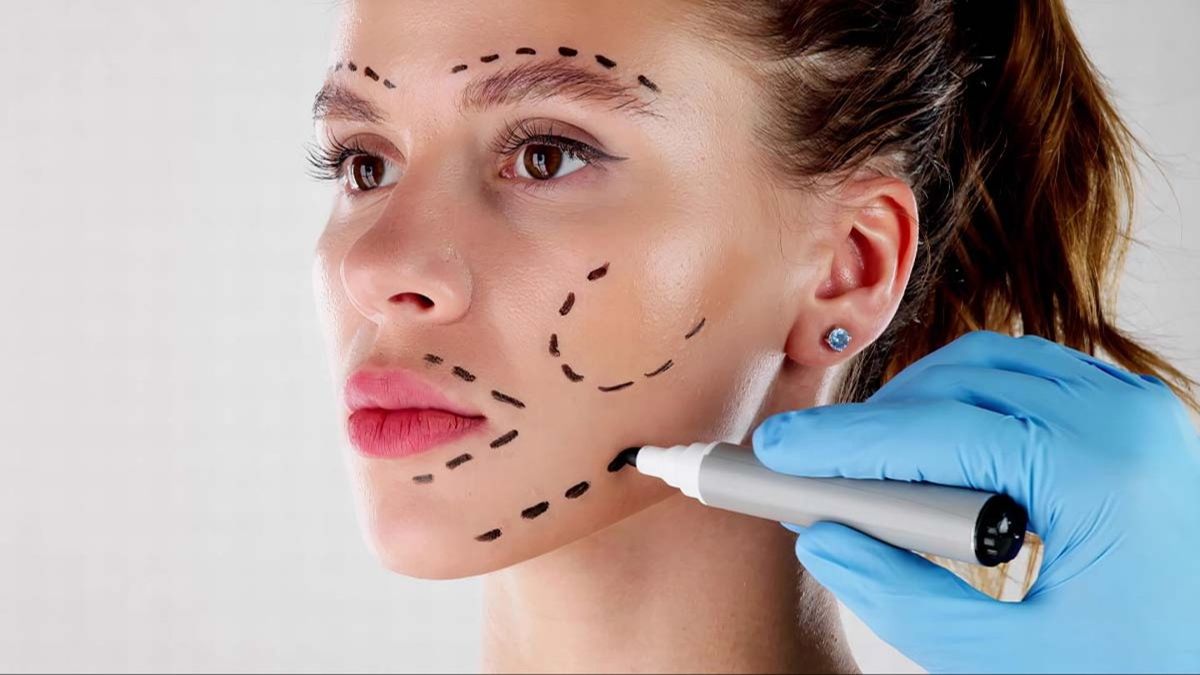
Cosmetic procedures have been popular for decades, but the ‘must-have’ treatment tends to change from one era to the next — and some choices can later leave people wishing they’d never done it.
Back in the 2000s, breast implants and rhinoplasty were among the most requested enhancements. The 2010s then brought a wave of facelifts and tummy tucks into the spotlight.
In more recent years, fillers, Brazilian Butt Lifts (BBLs), and other minimally invasive options surged in popularity.
But as trends evolve — and as results settle and age — a number of these procedures are now frequently linked with dissatisfaction, revisions, or health concerns.
TV programmes like Botched have also made it hard to ignore how a procedure that seems simple at first can dramatically affect someone’s appearance and day-to-day life.
With that in mind, surgeons have been speaking about the treatments they most often see tied to complications and regret.
Plastic surgeon Dr Ira Savetsky said one recurring concern he hears about involves filler placed beneath the eyes.
“While it’s marketed as a quick and easy fix for under-eye hollowness, the reality is that filler in this area often attracts water, migrates, and can create chronic puffiness or a bluish discoloration over time,” he told The Post.
“It’s easily the most frequent procedure I see people coming to me in regret over,” he added. “It’s often perceived as low-risk and straight forward, but in reality, it’s one of the most technically demanding areas to treat well. I see a steady stream of patients who initially had it done elsewhere and are now dealing with long-term complications.”

Meanwhile, Dr Radbeh Torabi of Elite Plastic Surgery in Scottsdale, Arizona, said BBL demand isn’t what it once was.
He explained that more patients are leaning toward subtler outcomes, with Dr Savetsky adding: “What was once considered desirable in terms of exaggerated proportions is shifting, and patients are now seeking more balanced, natural contours.”
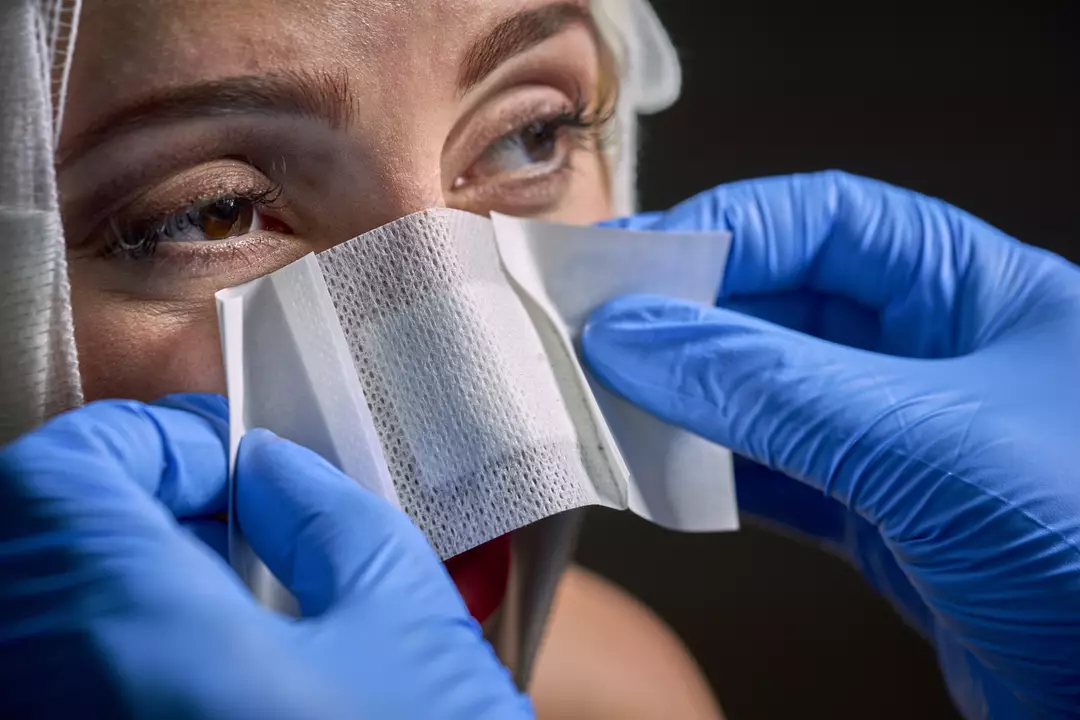
Torabi also said revision rhinoplasty is a procedure he sees frequently, especially from people who want their results to appear less “done.”
“We see younger patients wishing to preserve this more natural appearance and in some cases retain their hump,” he said.
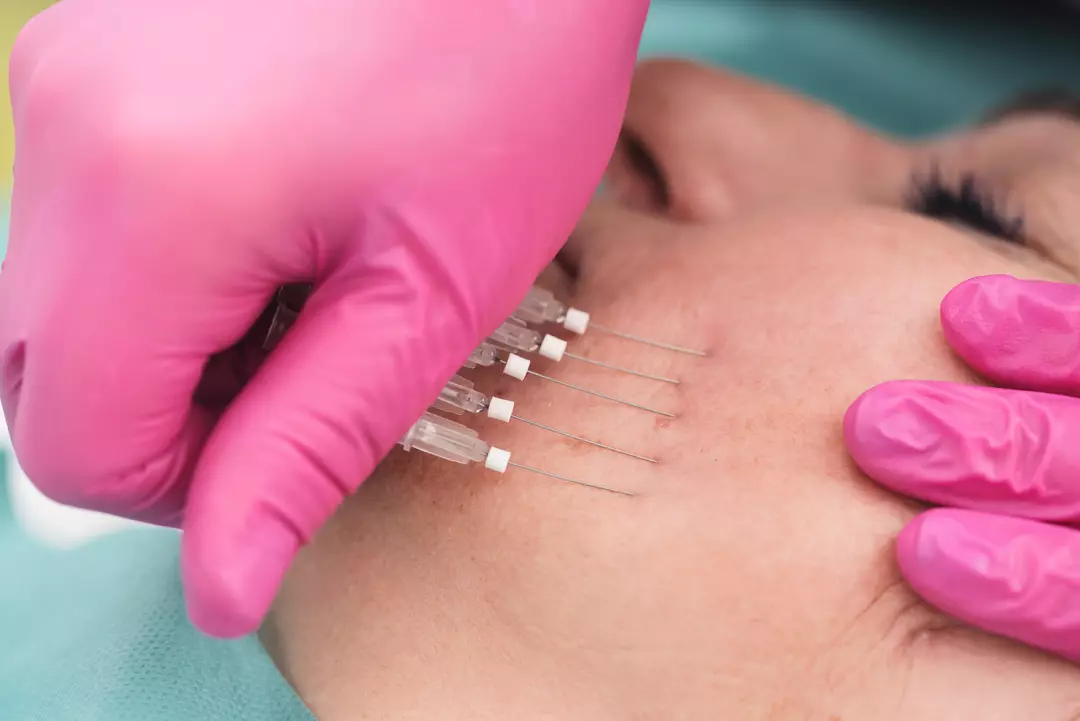
Another treatment some people may be less familiar with is the thread lift, which is often positioned as a lighter alternative to more invasive surgery.
The technique places sutured threads under the skin — commonly around the jawline and neck — aiming to create a tightening effect while encouraging collagen, for a facelift-like finish.
Still, Savetsky said he often meets patients seeking further correction, noting that the ‘threads fail to deliver meaningful or sustained improvement.’
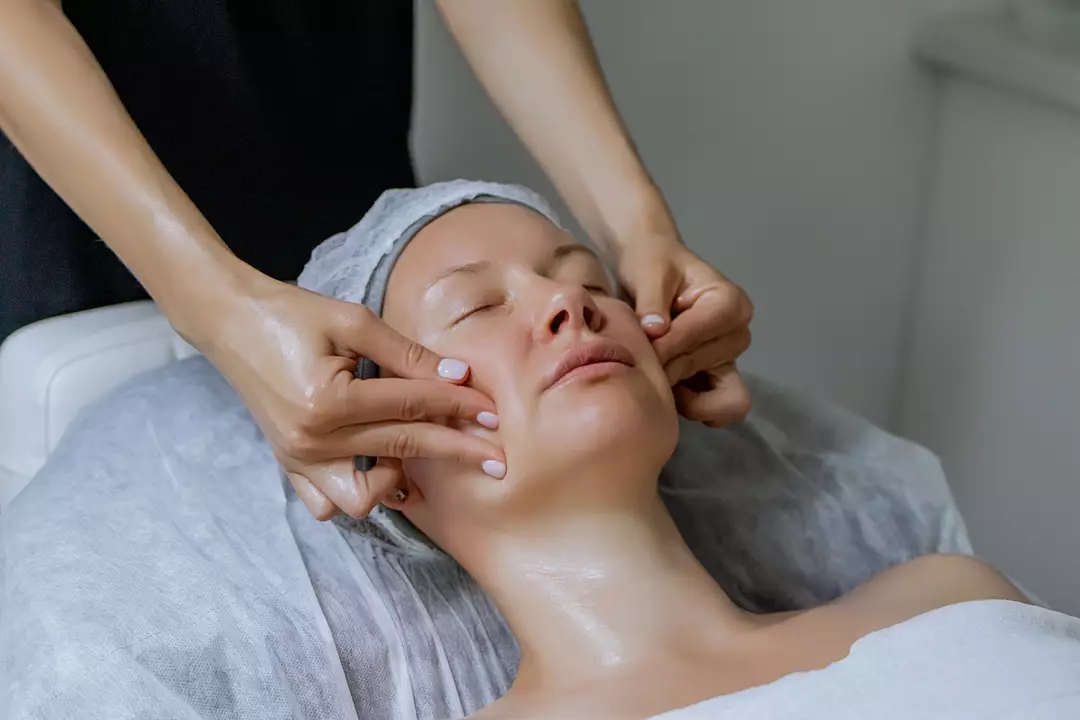
One procedure that has sparked a lot of public debate lately is buccal fat removal, especially as some celebrities have appeared with markedly slimmer cheeks.
The surgery removes fat from the lower cheek area. While many people don’t openly confirm having it, Chrissy Teigen previously said she had undergone it.
Patients often choose it for a more sculpted facial shape, but Dr Krishna Vyas of Blechman Plastic Surgery in New York City warned it may not hold up as well over time.
He said: “Buccal fat removal is a quick procedure that gained popularity on social media for its sculpted, hollow-cheek look, but what looks striking at 25 can look gaunt at 45.”
He also noted that the ‘buccal fat pad is one of the key structures that keeps the midface looking full and youthful’, meaning once it’s removed, restoring that natural fullness can be difficult.
And even in cases where fat is repositioned, he said volume in that area can be influenced by hormones and normal body changes — making long-term predictability tricky.
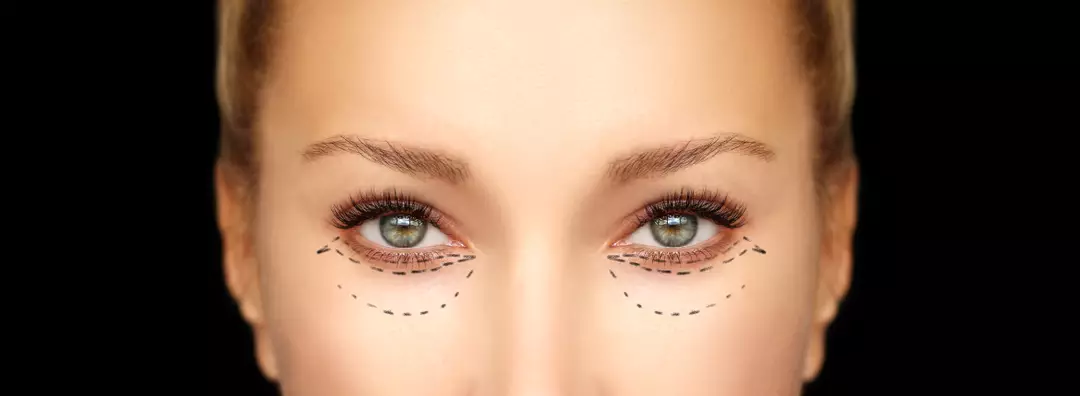
Canthoplasty — sometimes referred to as “Fox Eyes” — has also remained a sought-after look in recent years, with some people hoping to emulate features associated with Bella Hadid or Megan Fox.
Whether achieved with threads or an eyelid/eye lift, Savetsky said he has spoken to many patients who later wanted the results reversed because they weren’t happy with how it turned out.
In many cases, dissatisfaction comes down to the effect being overly tight, or not lifted enough to match expectations.

And while breast implants remain one of the most recognisable cosmetic surgeries, Torabi said preferences are changing, with more patients chasing enhancement that doesn’t look obviously augmented.
As he put it, people increasingly want a ‘perky’ result ‘without the implant appearance.’
There’s also the reality that implants can require ongoing management over time, particularly as skin naturally loses elasticity and becomes more delicate with age.
Combined, those factors help explain why some patients are moving away from implants — or choosing revision procedures to achieve a more natural look.