

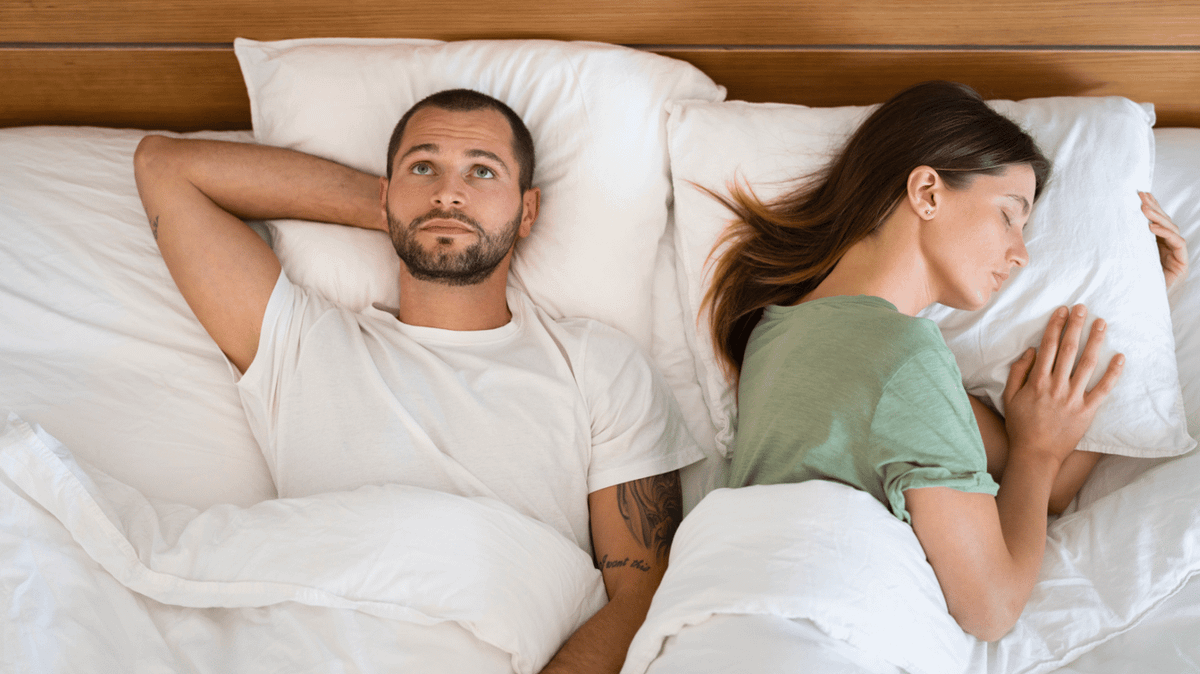
Men who are watching the World Cup this summer might find that their sex life is negatively impacted by the sporting event in ways they didn’t expect.
It’s easy to assume the biggest fallout comes from the emotional rollercoaster of a team getting knocked out early, but the tournament could also have unexpected consequences in the bedroom.
Dr Donald Grant, GP and Senior Clinical Advisor at The Independent Pharmacy, has forewarned: “Late nights, increased alcohol intake, poorer sleep, changes to diet and reduced exercise can all affect energy levels, circulation, hormone balance and stress, which may contribute to erectile difficulties.”
He then outlined how common World Cup routines — from disrupted schedules to drinking and food choices — can raise the risk of erectile dysfunction (ED) for some men.
With matches happening across different time zones, plenty of fans won’t be watching at convenient hours — which can mean later nights than normal for a lot of people.
Dr Grant went on to say of this: “One of the biggest seasonal changes that can affect erectile function is disrupted sleep. During the summer season, lighter evenings and higher temperatures can significantly affect sleep. Additionally, with the World Cup set to kick off on June 11th in the US, Canada and Mexico, many people may find their routines interrupted by time zone differences when staying up to watch live matches.
“Poor sleep can affect energy levels, mood, stress hormones and testosterone levels, all of which can play a role in sexual performance. If late nights become regular, men may notice reduced libido, fatigue, or more difficulty getting or maintaining an erection.”
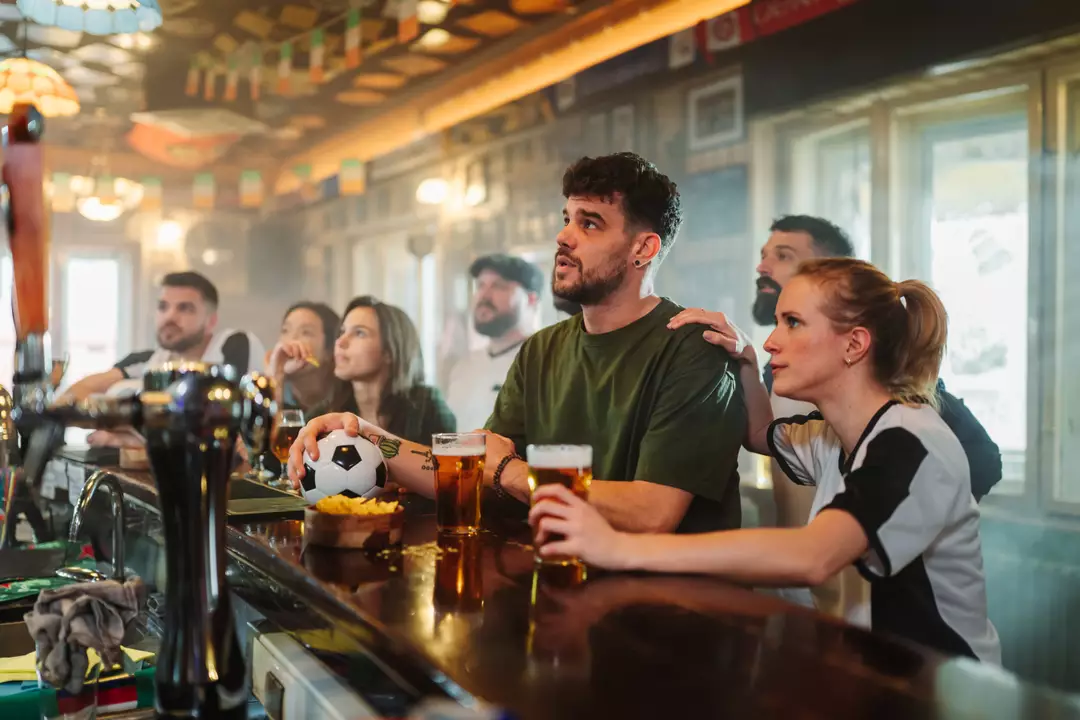
And for many viewers, football nights often come with a few drinks — but regularly drinking more than usual can have a knock-on effect.
“Alcohol is one of the most common lifestyle factors linked to temporary erectile difficulties,” said Dr Grant.
“In summer, it can be normal for alcohol intake to steadily increase, as people spend more time outdoors, including BBQs, festivals, weddings and social events. The upcoming World Cup could also impact drinking habits, with pubs granted permission to stay open later during home nation knockout games [in England and Wales].”
He continued: “An increase in alcohol consumption can have a direct impact on ED by interfering with blood flow, nerve signalling and hormone levels. It can also reduce testosterone levels and libido, making it more difficult to feel aroused or maintain sexual performance.”
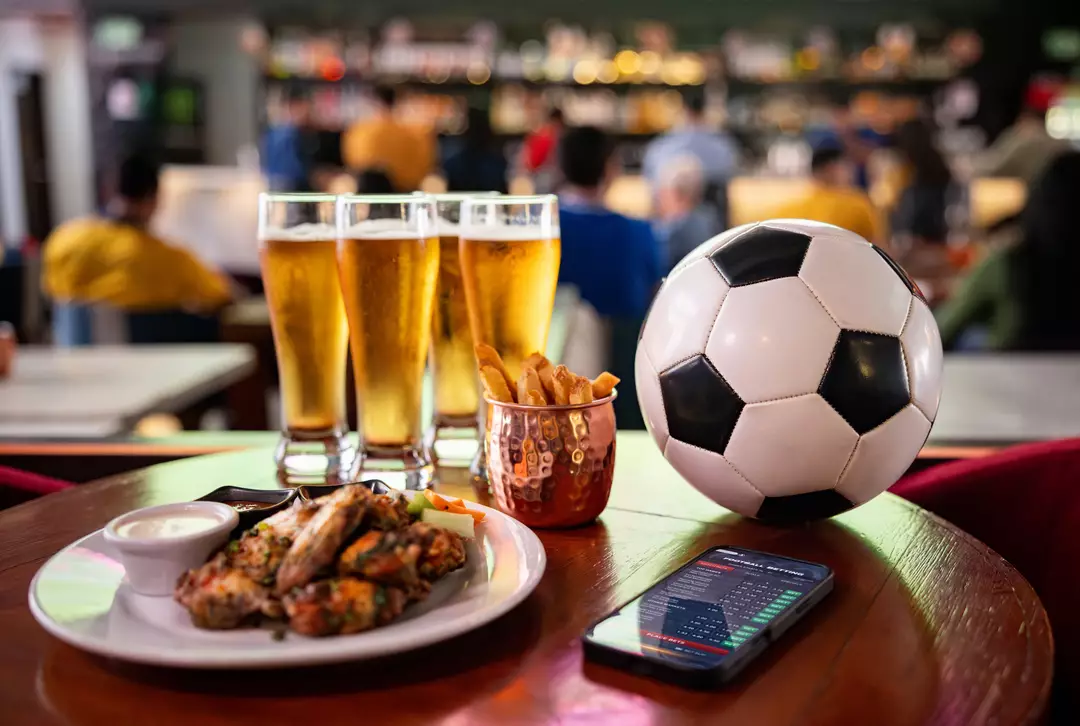
Food is another area where routines can slide during big sporting events — late kick-offs and long match days don’t exactly encourage balanced meals, and snacks often take over.
Plus, the summer season and holidays can make it easier to abandon healthier habits, swapping regular meals for convenience foods and treats.
Explaining how diet can cause erectile dysfunction, Dr Grant shared: “Throughout the warmer months of the year, people tend to choose unhealthier foods, which can unknowingly heighten men’s risk of ED. BBQ snacks, processed meats and salty foods can creep into diets, but not everyone is aware of just how much this can impact male sexual health.
“Erections rely heavily on healthy blood flow, so anything that negatively affects circulation can also contribute to erectile dysfunction. Diets high in saturated fat and salt may increase the risk of high cholesterol, high blood pressure and weight gain, which are all known risk factors for erectile dysfunction.”