


Across several regions, heat has surged to levels approaching the outer limits of what people can safely endure.
By late April 2026, some cities were seeing temperatures climb to 48°C (118°F). At the same time, India accounted for 98 of the 100 hottest cities worldwide.
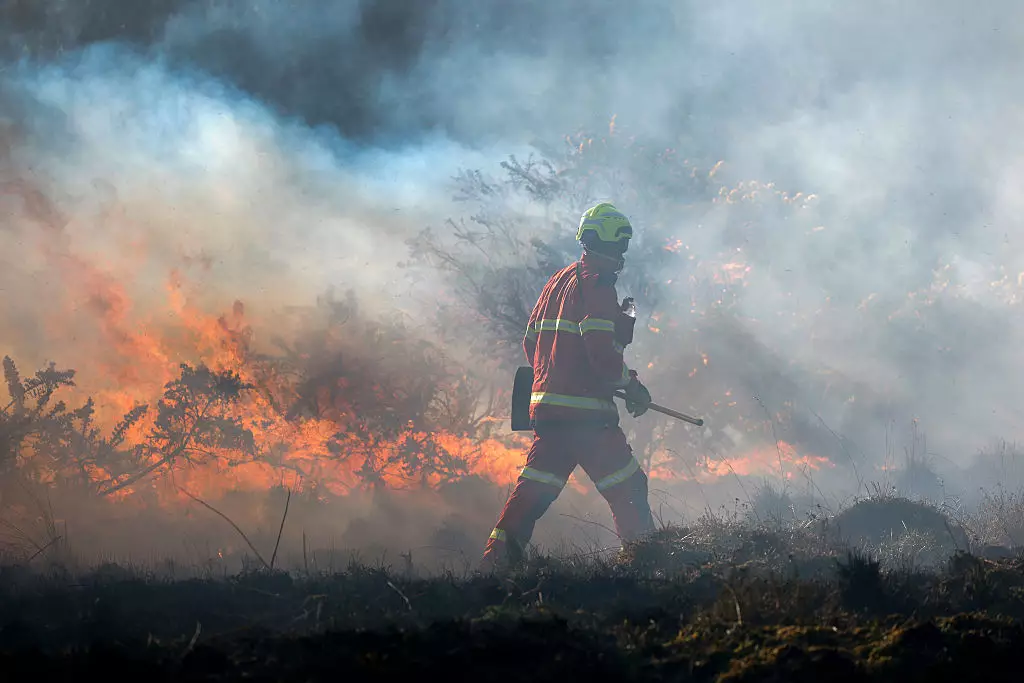
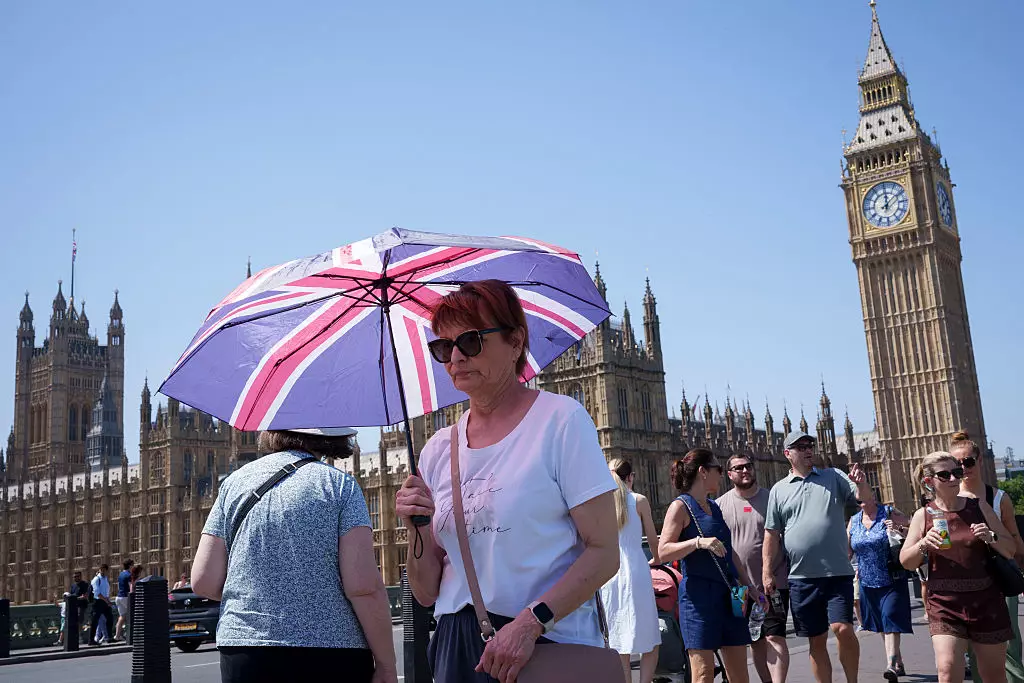
Europe has felt the strain as well. France reported deaths linked to the heat, London experienced a “tropical night” with temperatures staying above 20°C, and wildfires even broke out in Scotland.
Yet behind the dramatic figures and breaking news alerts is a more urgent issue: what happens to the body when heat reaches this intensity?
A thermometer reading doesn’t capture the whole danger. Humidity can be the deciding factor. The body relies on sweating to cool down, but when the air is already moisture-heavy, sweat evaporates more slowly—making that cooling system far less effective.
Once evaporation stalls, internal heat builds. Core temperature rises, heatstroke can develop, and without fast cooling and immediate medical treatment, it can be fatal.
The danger point comes sooner than many assume.
For older adults, conditions like 35°C paired with 90% humidity can be as hazardous as being in 45°C heat with dry air.
Even for healthy adults aged 18 to 35, 45°C with 40% humidity can create severe risk. Serious illness, emergency admissions, and deaths often happen quickly—frequently on the same day or the next—so delays in response can be deadly.
The World Health Organization notes that heat stress is among the leading causes of weather-related fatalities and can aggravate numerous existing health problems, including cardiovascular disease, diabetes, respiratory conditions, and kidney disease.
The WHO also classifies heatstroke as a medical emergency with a high fatality rate. From 2000 to 2019, global heat-related deaths averaged around 489,000 each year.
The WHO emphasises that heat risk isn’t only biological—it’s also shaped by living and working conditions. People who work outdoors, older adults, residents in poor-quality housing, and anyone without reliable access to cooling are far more likely to be exposed to dangerous temperatures.
Heat-related deaths among those over 65 rose by roughly 85% between 2000–2004 and 2017–2021.
Where people live also matters. Cities can intensify heat through the urban heat island effect: buildings and roads absorb and re-radiate warmth, reduced green space limits natural cooling, and materials such as metal roofing can increase indoor and outdoor exposure.
Speaking to India Today, Gavin Schmidt, Director of the NASA Goddard Institute for Space Studies, puts it bluntly: “Things are continuing to get worse. For us to stabilise global warming, even at the level it is now, effectively we have to get to net zero. We have to stop emitting carbon dioxide into the atmosphere. And that’s a huge challenge. So that isn’t going to happen any time soon. And so while that’s not happening, temperatures are going to increase and the extremes are going to become more extreme.”
He added: “If you’re making plans based on what extreme weather was doing in the 1980s, then you’re way out of date with what’s actually going to happen.”
The World Health Organization has also published guidance on how to reduce risk during extreme heat.
Its main recommendations include limiting time outdoors during peak heat, staying in shade or an air-conditioned/cool space for at least two to three hours each day, and drinking around two to three litres of water daily.
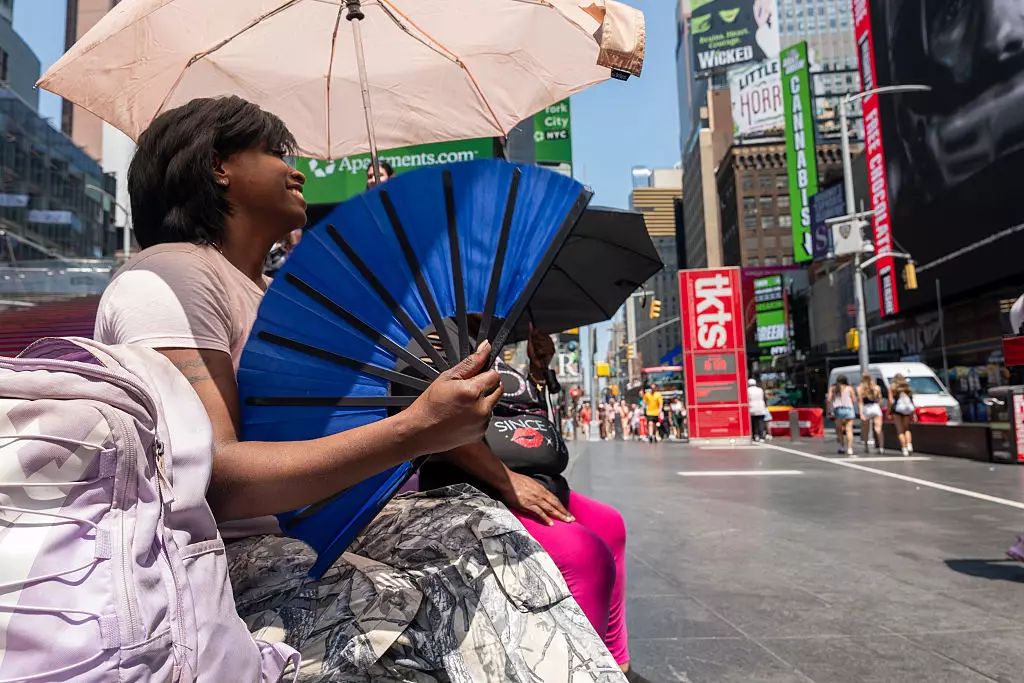
For homes, the WHO advises keeping windows and blinds shut during daylight hours when it’s hotter outside than inside. It also cautions against relying on electric fans once temperatures exceed 40°C, because above that point fans may worsen heat stress by blowing hot air across the skin instead of cooling the body.
Children and animals should never be left in parked cars, regardless of the circumstances.
Schmidt’s conclusion offers little comfort. “We still haven’t really started reducing the amount of carbon dioxide in the atmosphere. And until we do, we have our foot on the accelerator pedal of global warming.”