

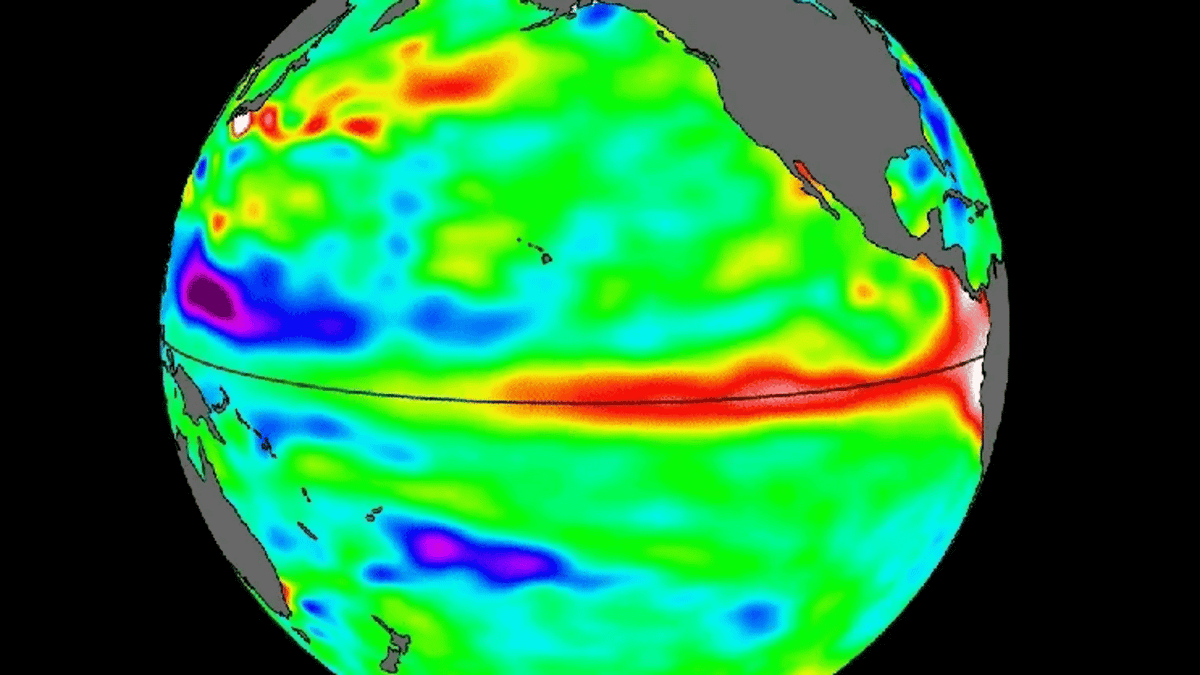
An updated mapping system has now pinpointed the specific regions expected to feel El Niño’s effects this year, arriving shortly after the UN issued a warning about the global harm the phenomenon can bring.
For months, much of the discussion has focused on when a feared El Niño could return in 2026 and potentially linger into 2027.
However, with scientists tracking its movement and refining projections, the latest outlook suggests the pattern is on course to intensify existing warming — effectively set to “pour fuel” on an already heating planet.
El Niño occurs when sea-surface temperatures in the central and eastern tropical Pacific rise above normal. That shift can disrupt weather systems worldwide, influencing temperatures and rainfall and raising the odds of extreme conditions, according to the World Meteorological Organization (WMO).
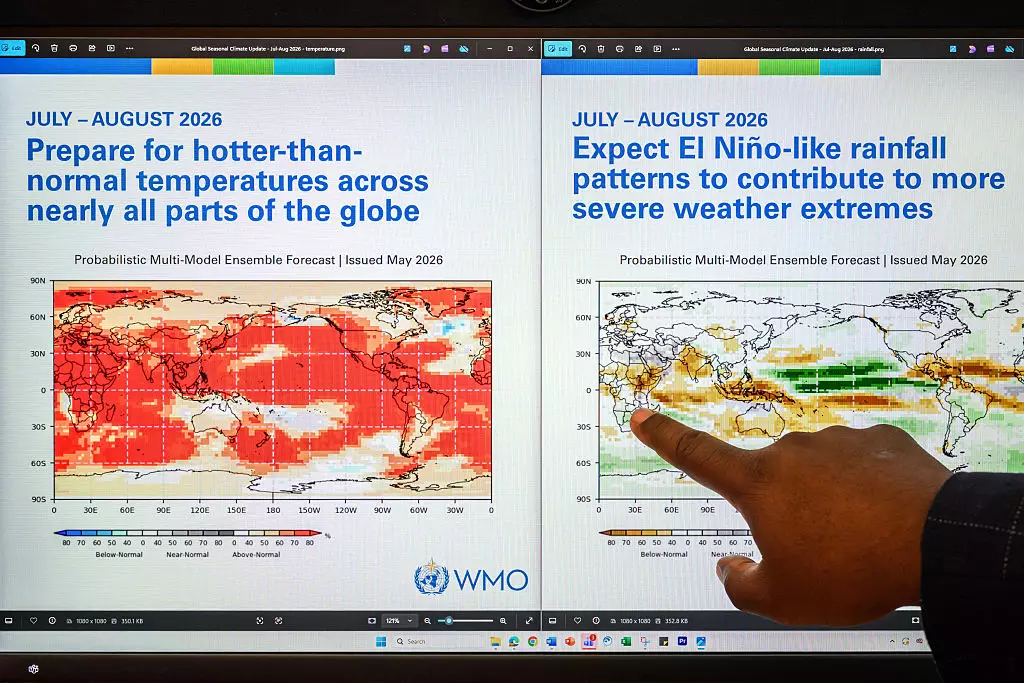
Typically appearing every two to seven years and lasting roughly seven to nine months, El Niño can have very different consequences depending on the region — and those impacts are now becoming clearer.
National Geographic reports this event is forecast to be the strongest in at least ten years. The WMO’s latest El Niño/La Niña Update also indicates an 80 percent chance of El Niño developing between June and August this year, with conditions likely persisting to around November.
The pattern is linked to heavier rainfall in parts of southern South America, the southern United States, sections of the Horn of Africa, and central Asia. At the same time, it is often associated with reduced rainfall across Central America, northern South America, Australia, the Caribbean, Indonesia, and southern Asia — conditions that can amplify knock-on risks.
One major concern is tropical storms. The WMO notes that in the Boreal summer, warm Pacific waters connected to El Niño can energize hurricanes in the central and eastern Pacific, while making storm formation less likely in the Atlantic Basin.
Depending on how intense those storms become, the consequences can be severe.
In the near term, the Greater Horn of Africa is projected to experience below-normal rainfall in its northern areas during the June-to-September rainy season.
While less rain might sound like a relief in some contexts, seasonal rainfall is vital across the region for farming, water security, and economic stability.
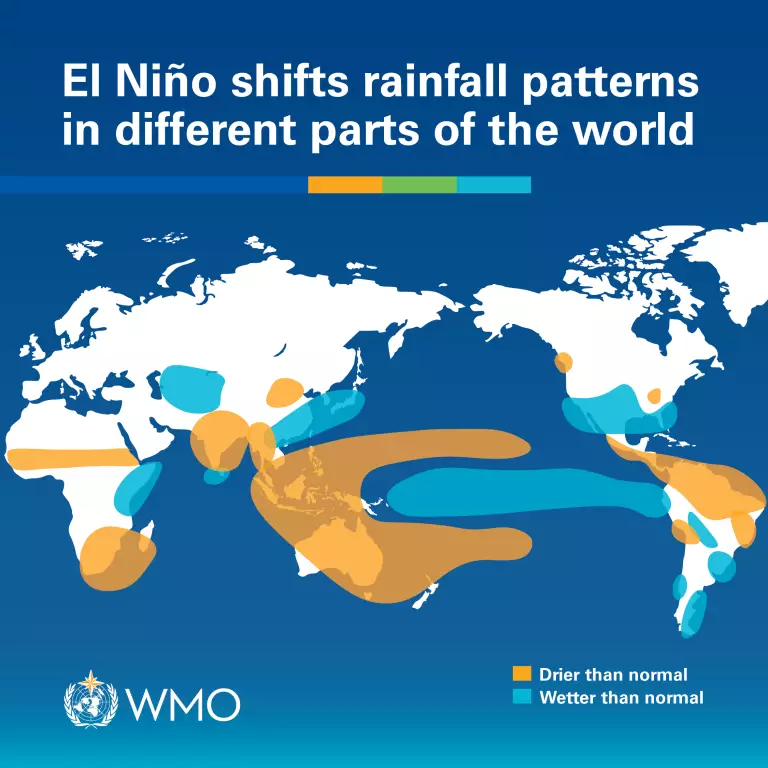
South Asia, meanwhile, may also face weaker-than-average monsoon rains, according to the South Asian Climate Outlook Forum — a worrying scenario for areas heavily dependent on monsoon-driven water supplies.
Research has found monsoon rainfall provides around 90 percent of the region’s annual water in some places. If that supply drops significantly, communities could be forced to seek alternatives to cover the shortfall.
Central America is expected to contend with hotter, drier conditions, which can raise the likelihood of drought, heatwaves, and related impacts, as reported.
“The science is clear: El Niño is arriving on our doorstep in the coming months with 90% certainty. The world must treat it as the urgent climate warning it is”, said UN Secretary-General António Guterres in a statement ahead of the El Niño.
He added: “El Niño conditions will pour fuel on the fire of a warming world. Impacts will hit even harder, travel even farther, and cross borders with devastating speed. The only effective response is climate action equal to the crisis – ending the addiction to fossil fuels, accelerating the shift to renewables, protecting the most vulnerable, and delivering early warning systems for all.”
WMO Secretary-General Celeste Saulo also went on to call for preparations to be made to keep everyone safe, noting: “We need to prepare for a potentially strong El Niño event – which will exacerbate drought and heavy rainfall and increase the risk of heatwaves both on land and in the ocean. The most recent El Niño, in 2023-24, was one of the five strongest on record and it played a role in the record global temperatures we saw in 2024.”