

The US Department of Agriculture has confirmed a case involving a flesh-eating parasitic fly in Texas.
After the insects were reported near the US southern border with Mexico last week, officials say a separate incident has now been identified in Texas involving a calf.
According to the Department of Agriculture, larvae were discovered in the umbilical cord of a three-week-old calf in Zala County, prompting the agency to begin response efforts aimed at preventing the pest from spreading.
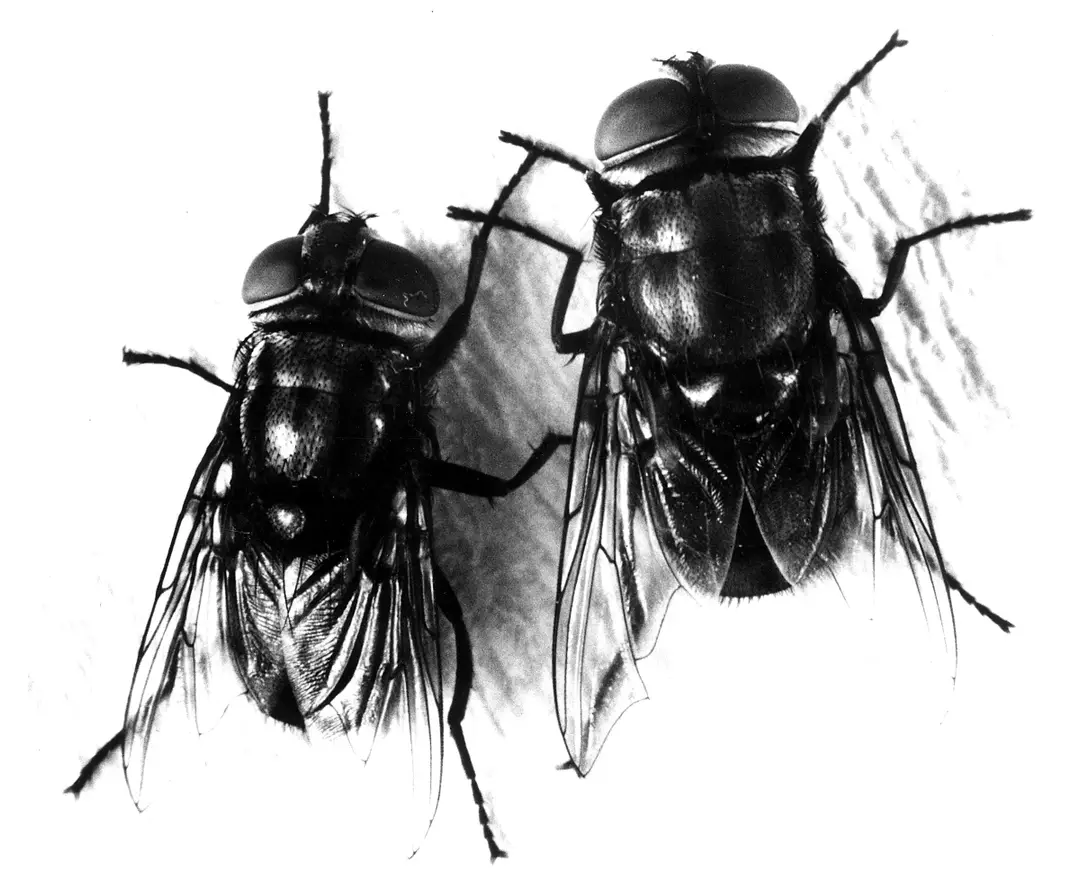
The parasite involved is the New World Screwworm, the larval stage of a fly that can infest living tissue in warm-blooded animals.
Livestock are most commonly affected and pets can also be impacted, while infections in humans are considered uncommon but possible.
The larvae typically enter through an exposed wound and feed on the host’s flesh while the animal is still alive. Without treatment, the infestation can become fatal.
Although direct infections in people are rare, specialists warn the parasite can cause major losses in cattle and other livestock. In a worst-case scenario, a significant outbreak could disrupt the US beef supply chain.
In a statement published on the USDA website, Dudley Hoskins, the Under Secretary for Marketing and Regulatory Programs, said officials had long expected the New World Screwworm to reach the US.
He said: “All models showed New World Screwworm entering the country in 2025; however, thanks to the hard work across the entire Trump administration and our industry, state, and local partners, we were able to buy time for this moment.
“Protecting our livestock industry is a national security issue of the utmost importance, and USDA is wasting no time in taking action.”
He added: “USDA invested heavily in the tools needed to eliminate NWS ever since cases started increasing in Central America and Mexico. The United States has defeated this pest before, and we will do it again.”
The USDA also emphasized that the parasite is not a concern for meat once an animal has been slaughtered.
All jokes aside this is a serious matter and a time to unite and work together. If this case is confirmed I will stand lock step with every local, state and federal agency to work together and fight this horror.
As we gather more information and work with different agencies we… https://t.co/cvGw0d83jX
— Rep. Don McLaughlin (@donfortexas) June 3, 2026
The department added that it does not affect “fruits, vegetables, or other food sources,” and said all “eligible animal species” must be checked by Food Safety Inspection Service personnel “unless they are exempt or covered by a state inspection program.”
Texas representative Don McLaughlin also commented online, writing: “If this case is confirmed I will stand lock step with every local, state and federal agency to work together and fight this horror.”