


It’s become one of the web’s most talked-about bedroom shortcuts — but before you scoop anything out of the kitchen jar, there are a few important considerations.
Coconut oil has gained a devoted fanbase as a natural alternative to store-bought lubricants, boosted by wellness creators and online communities who recommend it regularly.
Interest in “natural lubricant” has climbed over the past few years, and coconut oil repeatedly appears near the top of search results for people looking for options outside of standard products.
Even so, an NHS doctor says it’s worth weighing up the potential drawbacks before using it during sex.
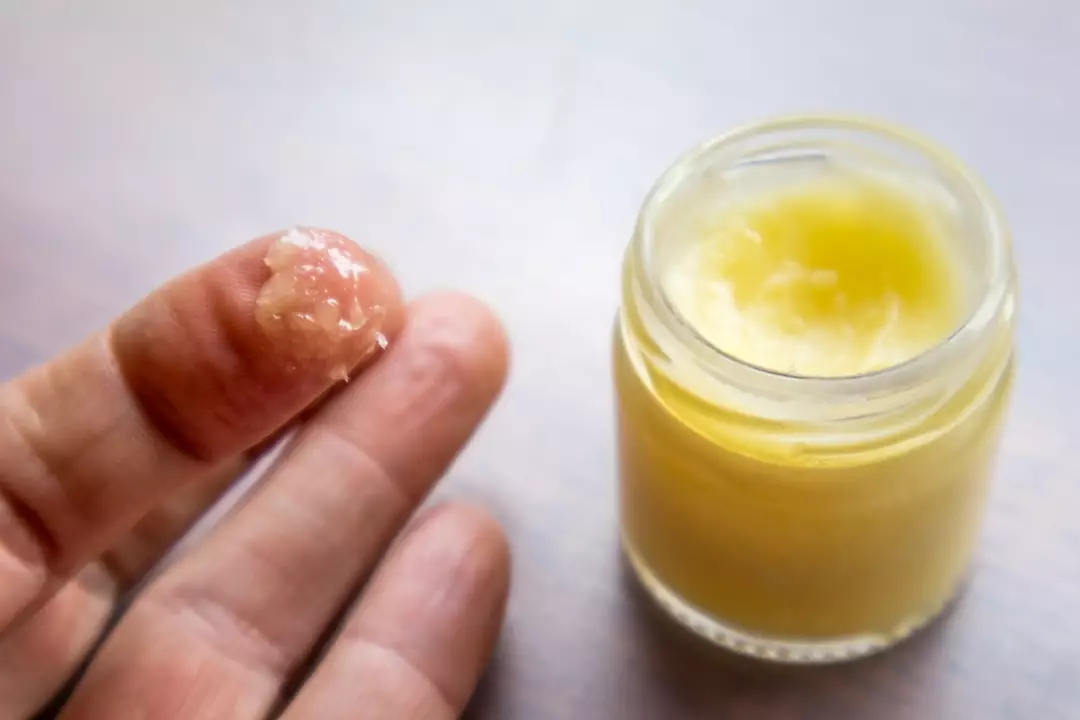
Doctor Emeka — an NHS doctor and the author of Your Health in Your Hands — says coconut oil can have genuine benefits in certain contexts. For example, unlike some water-based lubricants, it doesn’t dry out as quickly, which can make it feel longer-lasting. It may also suit people who find some commercial products irritating.
“There are some commercial lubricants that contain fragrances and other additives which can be a little bit irritating,” he said, “and so coconut oil can actually help with dryness and provide some soothing to the skin when used properly.”

However, he points to one major issue: how coconut oil interacts with condoms.
Because it’s oil-based, it can degrade latex, which raises the risk of a condom tearing or failing during sex.
“If you’re using condoms to prevent pregnancy or STIs, we generally wouldn’t recommend using coconut oil as a lubricant,” he warned.
There are additional concerns for people with vaginas, too. Coconut oil may disrupt the natural vaginal environment, and by trapping moisture and microorganisms it could increase the likelihood of irritation or infection in some individuals.
If someone is already dealing with recurrent thrush, frequent discomfort, or unexplained inflammation, he suggests coconut oil may not be the best match.
There are also everyday practicalities to think about. Coconut oil can be harder to clean up than water-based alternatives, often lingering on skin, bedsheets, and sex toys. It may also be unsuitable for certain toy materials, potentially causing deterioration over time.
Overall, Doctor Emeka’s view is that coconut oil isn’t automatically unsafe — but it’s not universally suitable either.
Whether it’s a good option depends on the contraception you rely on, how your body responds, and what products or materials you’re combining it with.
Doctor Emeka is an NHS doctor and author of Your Health in Your Hands, available on Amazon at amzn.eu/d/0cneYQT4.
Follow him on Instagram at @doctor.emeka