

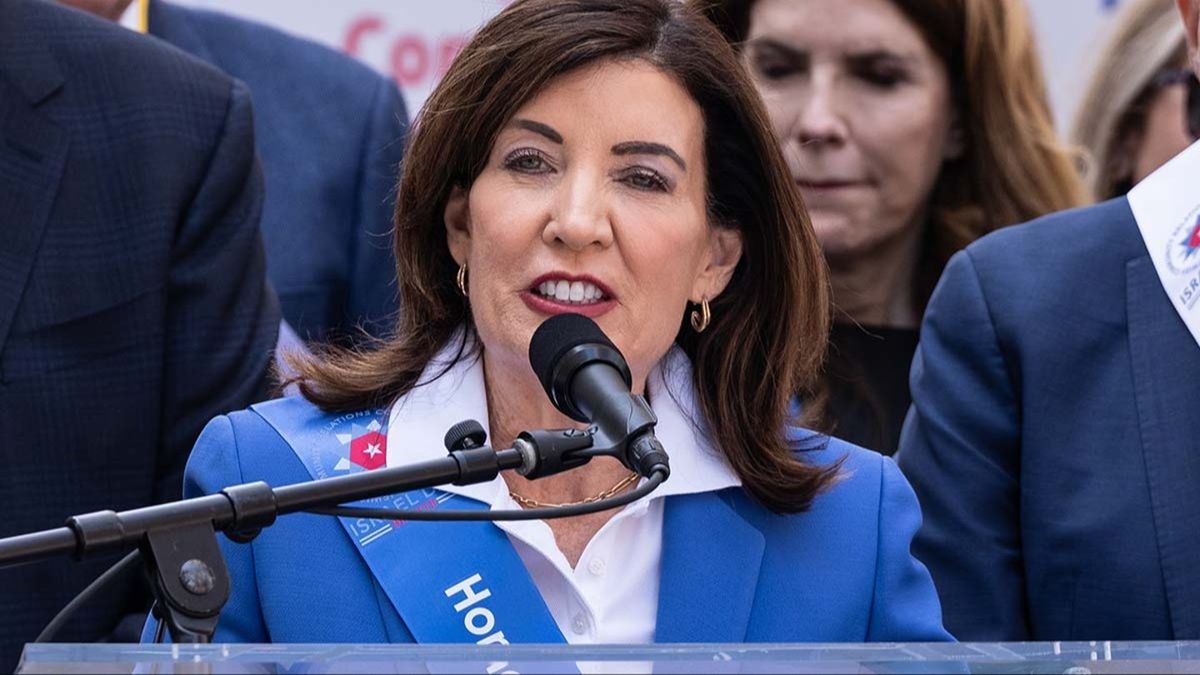
New York state lawmakers have approved legislation that would remove the words “mother” and “father” from several sections of state law, swapping them for gender-neutral terms, with the bill now heading to Governor Kathy Hochul’s desk.
The proposal cleared the state Senate 38-23 on June 2 and would revise wording across areas including family court, domestic relations, social services, education and additional statutes.
If enacted, references to “mother” would be updated to “gestating parent”, while “father” would become “non-gestating parent” or simply “parent”. The bill would also replace “paternity” with “parentage”.
Another change would rename the term “putative father” as “alleged parent”. If Hochul signs the measure, the updated language would begin on November 1.
The governor has ten days to either approve or veto the bill. Asked about the legislation while attending an unrelated event in Brooklyn, Hochul—who has previously called herself New York’s “first mom governor”—said she had not yet reviewed it and would look it over.
Backers say the terminology overhaul is meant to better match present-day family arrangements, including same-sex parents, adoption, surrogacy, and assisted reproduction.
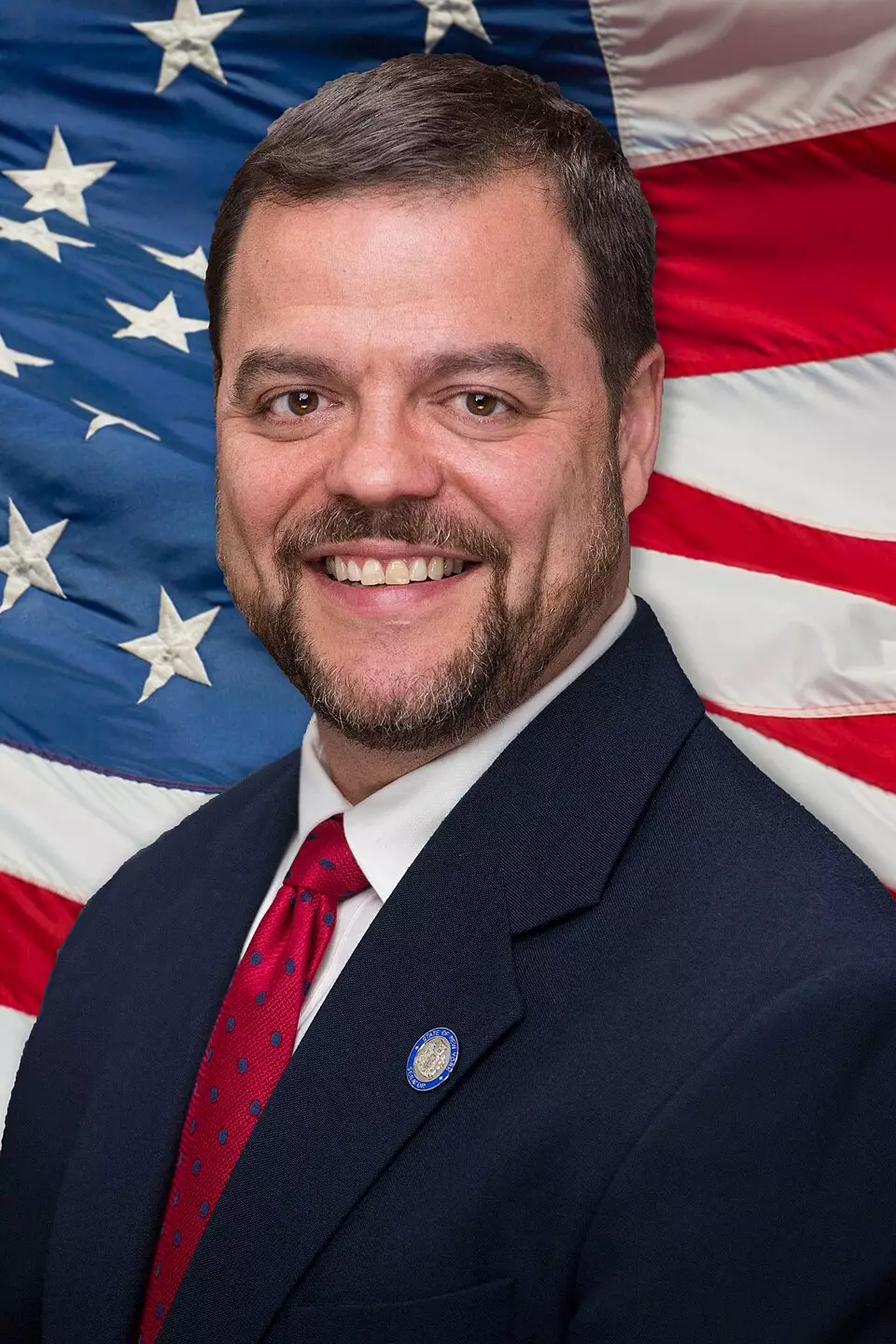
The bill was introduced by state Senator Luis Sepúlveda, a Bronx Democrat and chair of the Senate Judiciary Committee, along with Assemblywoman Amy Paulin, a Westchester Democrat.
In comments to the outlet, Sepúlveda said the bill “was needed to be consistent with current statute and case law.”
Adoption attorney Leslie Silver-Hoffman agreed, telling the Post: “You have adoptive parents who are of the same gender in New York. There are two male parents, two female parents.”
She added that, given the expansion of same-sex adoptions and surrogacy, existing terms no longer reflect how families are formed and recognized.
A legislative memo included with the measure argues that updating the wording would align state statutes with the way family courts already address surrogacy disputes and cases involving same-sex parents.
Opponents, including Republican officials and conservative voices, have criticized the bill as misplaced when many residents are dealing with high costs and other pressing concerns.
Gerard Kassar, chair of the New York Conservative Party, described it as “woke culture run amok” and “an unnecessary and wasteful use of time,” and suggested it could discourage people from relocating to New York while spurring similar efforts elsewhere.
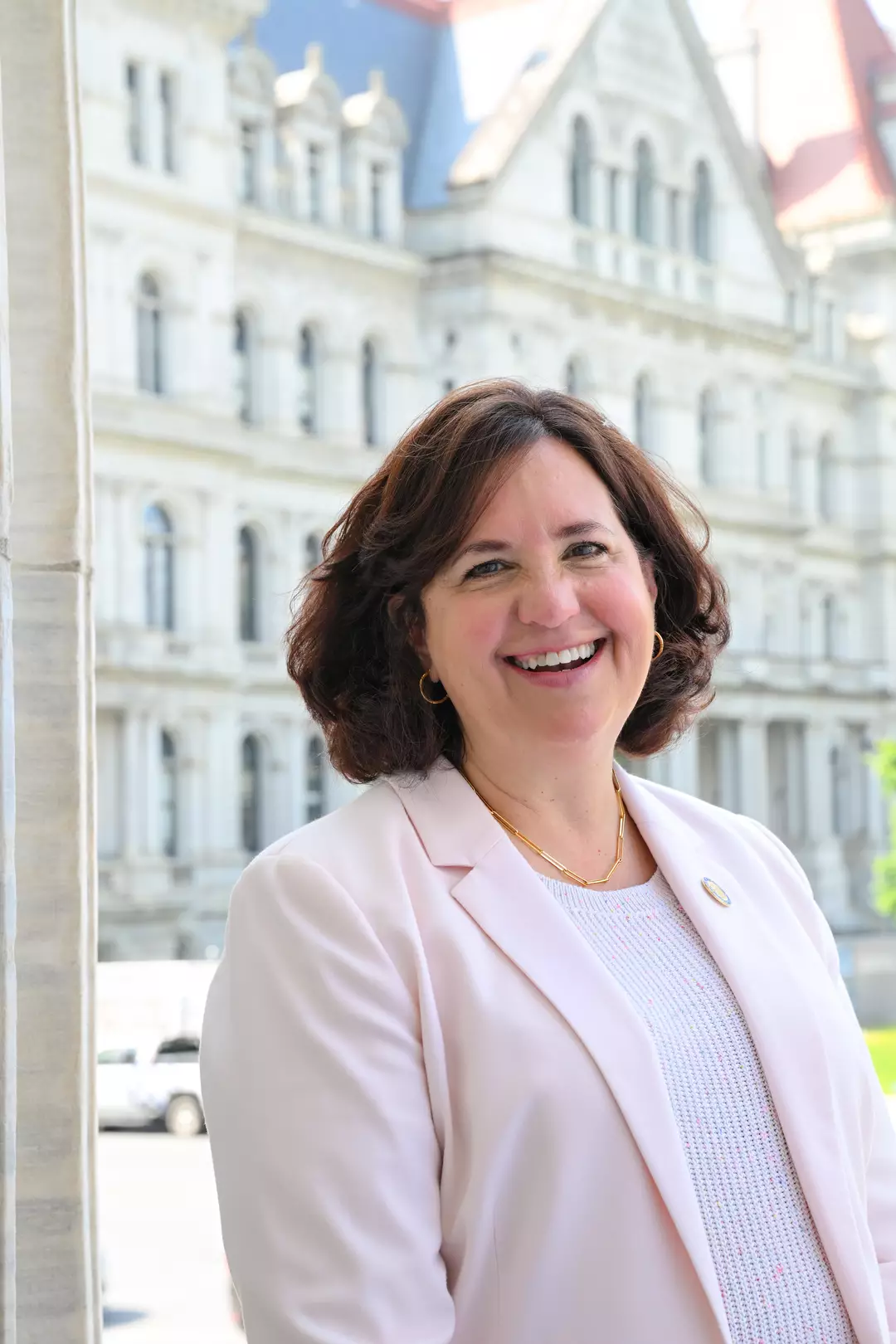
Republican state Senator Patricia Canzoneri-Fitzpatrick, who opposed the bill, said: “At a time when New Yorkers are being crushed by utility bills, rising costs, and public safety concerns, Albany Democrats have decided one of their final priorities should be replacing mothers and fathers in state law.
“That is not what families are asking for. I am a mother and proud to be called ‘mother.'”
US Representative Claudia Tenney called mothers “the foundation of families and society” and argued the legislation was “yet another example of out-of-touch politicians prioritising progressive ideology over the issues that actually matter to hardworking New Yorkers.”

Republican gubernatorial candidate Bruce Blakeman took a stronger stance, calling the bill “a declaration of war on New York families” and promising to undo it if he becomes governor.
Criticism was not limited to Republicans.
One Democratic lawmaker, speaking anonymously to the outlet, summed up their view as: “I have a word we can use for this: ‘unnecessary.'”
State Assemblyman Sam Pirozzolo, a Staten Island Republican, also condemned the proposal, saying: “This bill is not a mother and father thing. It’s not a gay thing. It’s a stupidity thing.”
The measure also fits within a larger shift toward gender-neutral language in New York’s government policies.
In 2023, Hochul signed legislation requiring state laws and regulations to use gender-neutral pronouns. And in 2018, New York City approved a rule allowing residents to choose a non-binary “X” marker on birth certificates.