

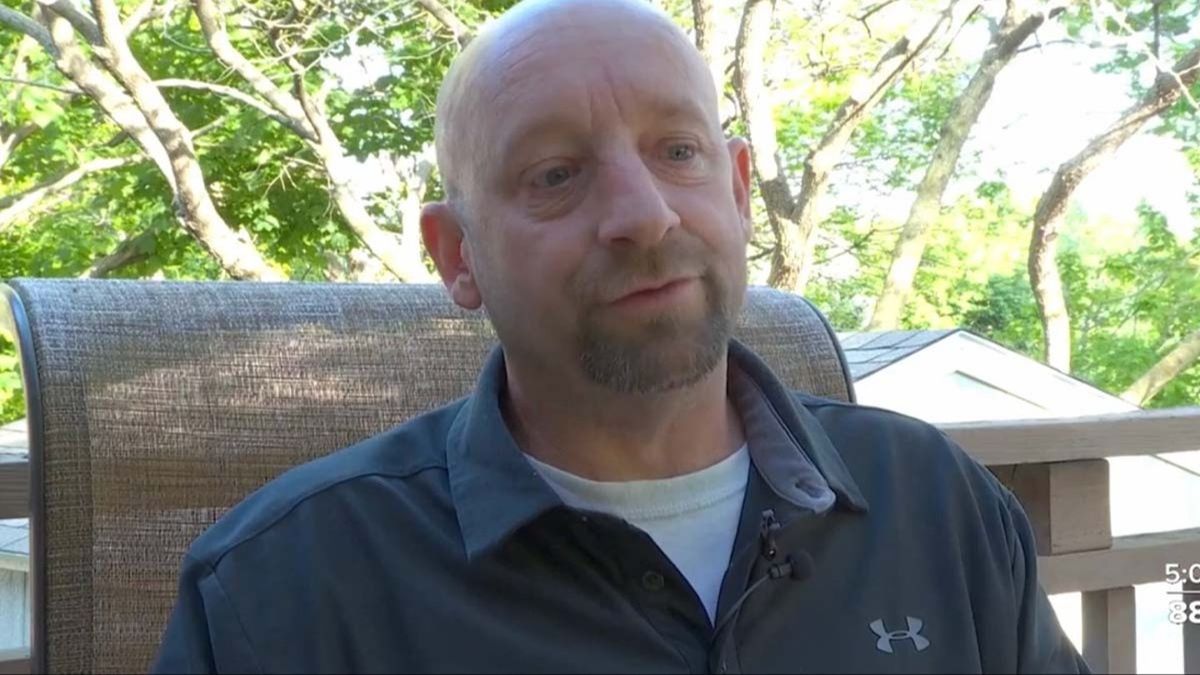
An Iowa man who began receiving Social Security survivor benefits as a teenager after his father died has now been informed he must repay nearly $8,000—more than 30 years after the checks ended.
Christopher Storm was 17, living in Texas, going to high school, and working at Pizza Hut when his father passed away.
After the death, Storm qualified for survivor benefits and collected about $500 per month until he turned 18. When he reached that birthday, he received a last, lump-sum payment of roughly $3,000, and the monthly payments stopped.
“It was a help to receive the money, the funds, and be able to try to make it on my own,” Storm said to 3KMTV.
For Storm, the matter seemed settled at the time.
That changed this year when Storm and his wife, Amy, expected a tax refund but learned the IRS had taken it instead—applying it toward what was described as an old debt.
The Social Security Administration now alleges Storm was overpaid in 1996 and says he owes $7,996.
“We’re frantically just trying to figure out what was going on,” Storm said of the moment they found out.

Council Bluffs attorney Keith Buzzard of McGinn Law said situations like this are not unusual. “It is fairly common. I think in any given year, there’s like a million of these letters that go out to people,” he said.
Buzzard also noted that the alleged balances can be much higher. “They’ll get a letter that they owe 40 or 50 grand,” Buzzard added.
As for why the overpayment may have happened, Buzzard suggested Storm’s wages from his Pizza Hut job could have put him above an earnings limit tied to eligibility at the time—potentially triggering an overpayment determination years later. And even if the agency made the initial mistake, that alone does not necessarily erase the obligation to repay it.
Buzzard emphasized there is no statute of limitations.
“They can come back any time,” Buzzard said.
The Storms had intended to use their refund for home repairs. Storm said that while the amount may not sound enormous to others, it makes a meaningful difference for their household—especially given how long ago the benefits were paid.
“It may not seem real substantial to some people. It feels substantial to us,” he said.
“To have them say, thirty years later, ‘Hey, that was an overpayment’ definitely feels very unjust.”
Buzzard advised the couple to file an appeal as an initial move, which could help them understand how the debt was calculated and whether they have a valid basis to dispute it.