

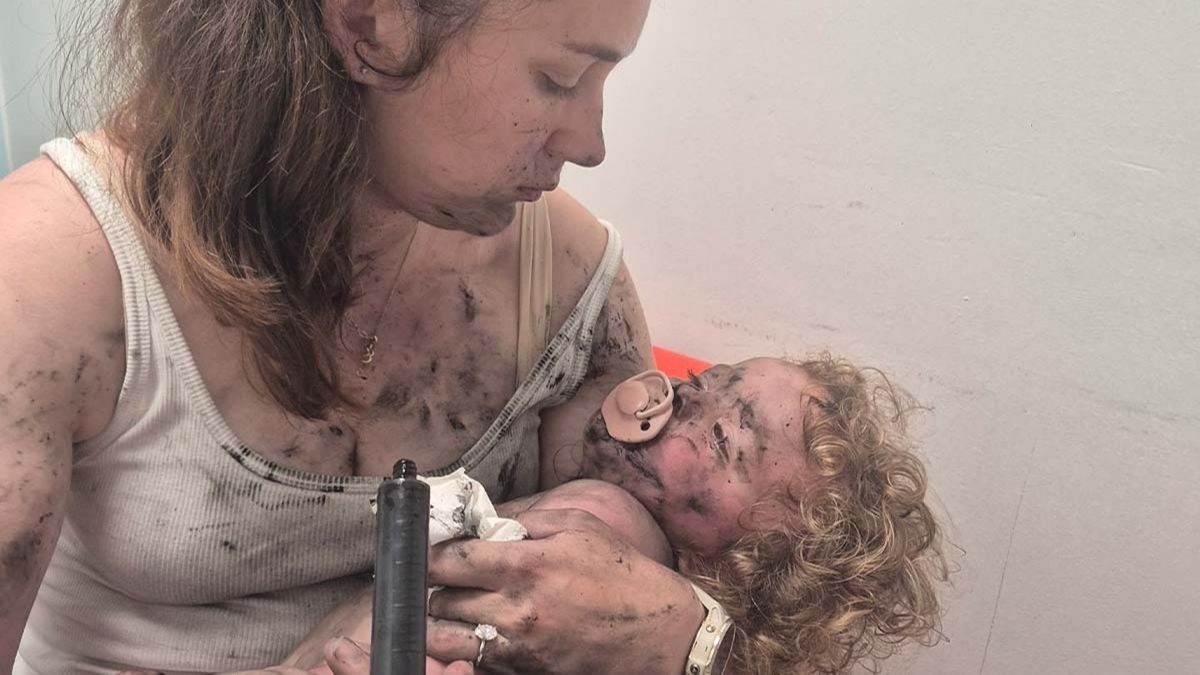
After her one-year-old daughter was poisoned by a common plant during a family walk, a mum-of-four has issued a stern warning to other parents about the dangers of certain toxins.
Daisy Hall, 34, was out with her four young children at a park in Shropshire in May when she realised something was wrong.
She noticed her youngest, Winnie, chewing on a rhododendron while sitting in her pushchair. Wanting to be sure it wasn’t dangerous, Daisy quickly searched the plant online.
The results showed the bright, popular shrub — which typically blooms from late winter into early summer — is poisonous to humans. Acting immediately, Daisy took Winnie straight to hospital.
At the hospital, Winnie was given activated charcoal by mouth using a syringe. Daisy said it was mixed with water and explained to her as a way to “bind” the toxin so it wouldn’t be absorbed into the body.
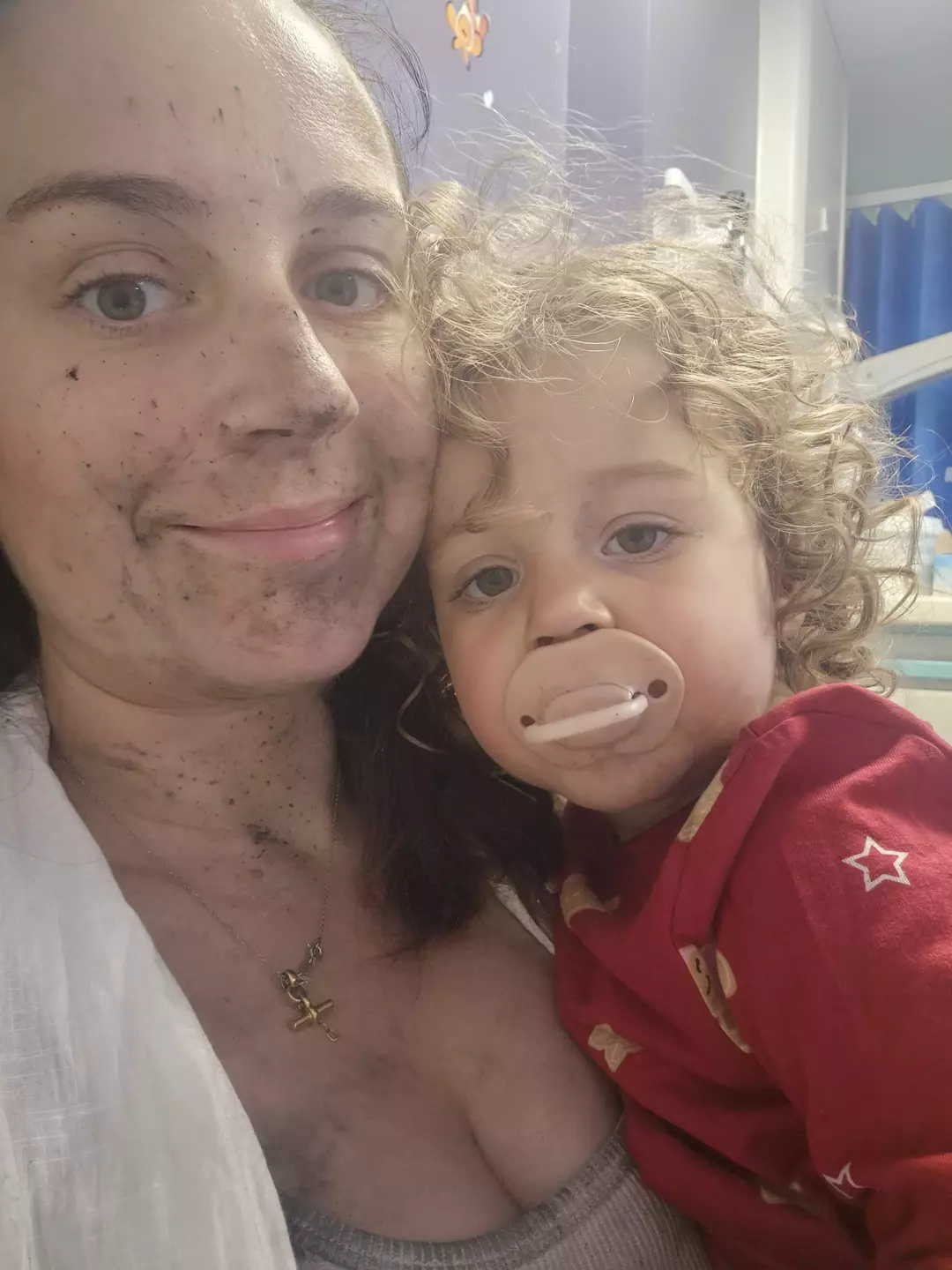
Winnie was later allowed home after doctors kept her under observation for six hours, including ECG monitoring. Once discharged, Daisy continued to keep a close eye on her for the next 24 hours.
Rhododendron poisoning can cause nausea, dizziness, vertigo, blurred vision and vomiting. The plant contains grayanotoxins, a substance that can harm both people and animals if ingested.
On the way to hospital, Daisy rang 111 for guidance. She was advised to stop and wait for an ambulance, but she decided continuing to the hospital herself would be faster.
“I thought on my way I’ll call 111 and they kept trying to make me pull over to get an ambulance to me. I did pull over but I realised I wasn’t going to get anywhere any quicker by doing that.
“If I had waited for an ambulance she’d have probably been over the time frame for when she could have had the charcoal. By the time I got to hospital they saw us really quickly and said she’d just have to have some charcoal,” she explained.
Daisy was asked to give the activated charcoal to her daughter orally, as it was considered “less scary” than other methods for a one-year-old.
She stressed that getting help quickly can make a crucial difference, adding: “The charcoal needs to be given within an hour otherwise the poison will be absorbed by the body.”
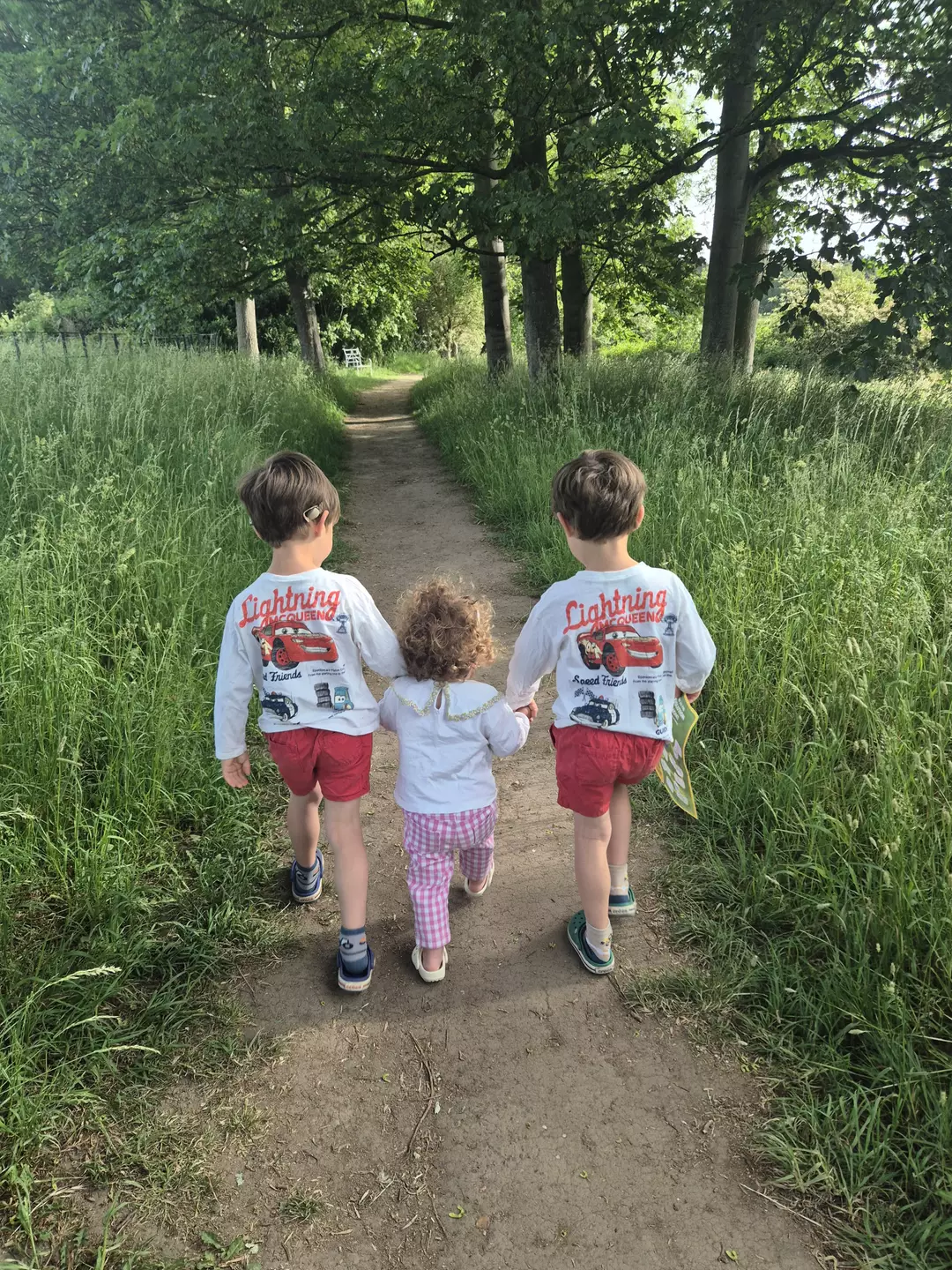
Since the incident, Daisy has shared what happened online in an effort to alert other parents to the risks posed by rhododendrons. She says the response has been immediate and widespread.
“People online have said ‘I wouldn’t even think to check’ and ‘it’s made me think differently instead of just flicking it out of my child’s mouth and telling them not to eat I’d look it up’,” she explained.
Her posts have now reached more than 7.1 million views, and she says many others have used the comments to discuss similar experiences and other plants to watch out for.
“People have been sharing other poisonous plants and everyone has been learning from it,” she said. “I’ve had a couple of trolls as well – but out of seven million I’ve only had four.”