

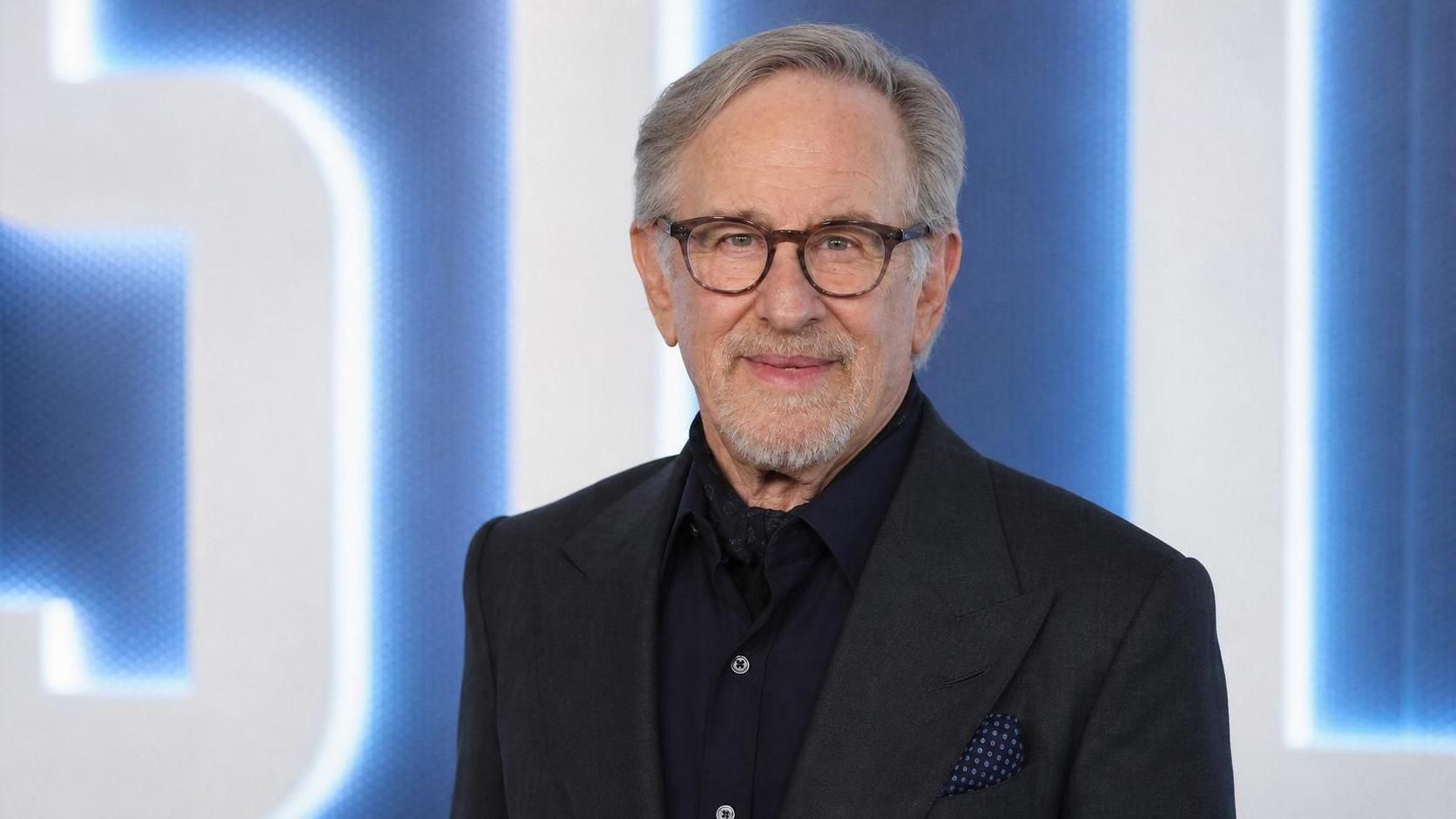
Steven Spielberg has spent decades building a reputation as one of cinema’s most influential filmmakers, and he has never been shy about defending the traditional theater-going experience.
Over the years, the director has been openly critical of streaming platforms, with Netflix among the companies he has singled out in the past.
In a 2018 interview, Spielberg argued that films released primarily through streaming services should not be eligible for Academy Award consideration.
“Once you commit to a television format, you’re a TV movie,”
Spielberg said at the time.
“If it’s a good show, you deserve an Emmy, but not an Oscar. I don’t believe films that are just given token qualifications in a couple of theaters for less than a week should qualify for the Academy Award nomination.”
He has also repeatedly spoken about the unique atmosphere of watching a movie with an audience in a theater.
“There’s nothing like going to a big dark theater with people you’ve never met before and having the experience wash over you,”
He added:
“I’m a firm believer that movie theaters need to be around forever.”
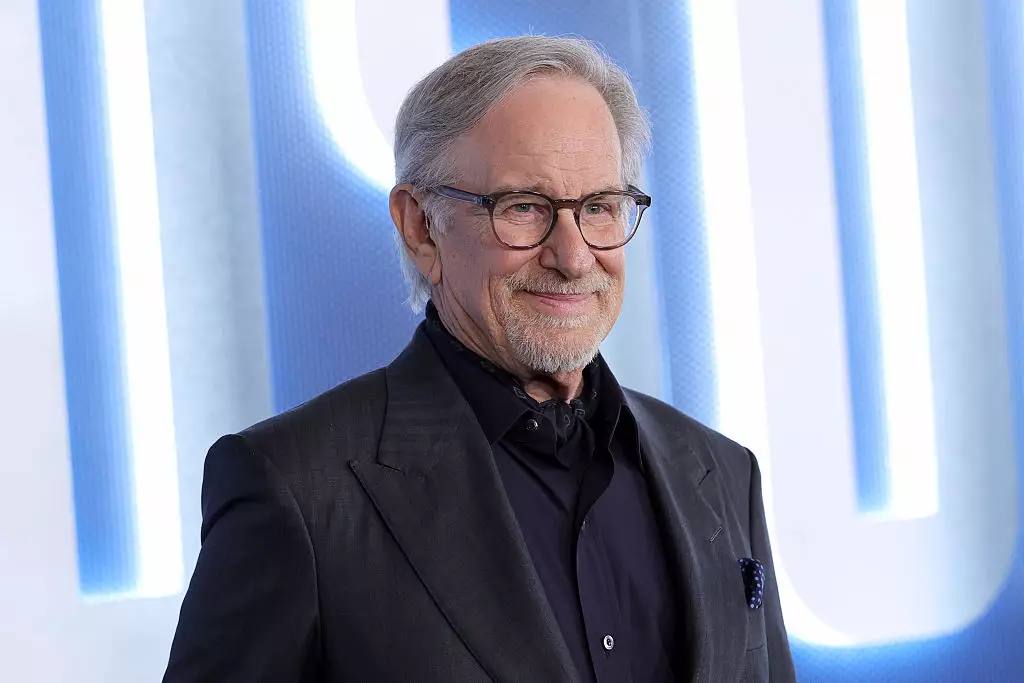
However, Spielberg now appears to have softened his stance slightly. While discussing his latest film, Disclosure Day, he suggested there is a specific scenario in which he would be open to collaborating with Netflix.
The director explained that he would consider making a film for the platform if the project was designed from the beginning to be watched at home, rather than intended as a theatrical release.
Speaking to ITV News, he said:
“So, the idea of sending little cassettes, little DVDs, you know, to individuals to watch a movie, if I did that, I would be happy to work for Netflix and make a movie for Netflix, knowing that it’s only going to be seen by millions of people on their home screens.
“But I’m a moviemaker and I believe in big motion picture, 70-millimeter theatrical experiences.”
Spielberg also discussed his preference for practical and traditional filmmaking methods, including his decision not to rely on AI for alien sound effects. Instead, he favored the “old-fashioned way” of adapting animal noises, such as dolphins or elephants, for the film. He said he would have taken that approach even if Emily, the film’s star, had not been able to create the sounds herself.
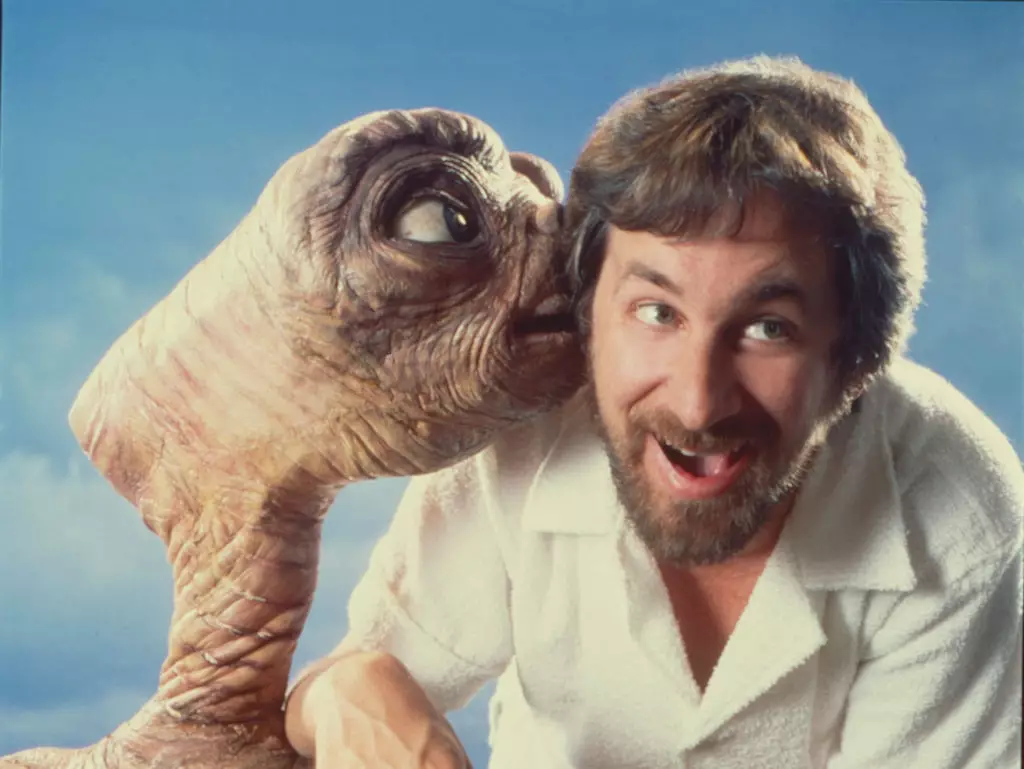
Across his career, Spielberg has directed more than 30 feature films, moving between genres such as science fiction, adventure, historical drama and musicals. His best-known titles include Jaws (1975), Raiders of the Lost Ark (1981), E.T. The Extra-Terrestrial (1982), Jurassic Park (1993), Schindler’s List (1993), and Saving Private Ryan (1998).
His work has earned him a huge collection of major honors, including 3 Academy Awards, 4 Golden Globes, 4 BAFTAs, 12 Emmys, 1 Grammy, and 1 Tony. With wins across the four major American entertainment awards, Spielberg is also among the select group of artists to have achieved EGOT status.