

The World Cup is set to bring soccer supporters into stadiums in huge numbers, but anyone heading to a match will need to check the rules carefully before packing a bag.
The 2026 FIFA World Cup kicks off on Thursday, June 11, 2026, with Mexico facing South Africa at Mexico City Stadium, and runs until the final on Sunday, July 19, at New York New Jersey Stadium. It is the biggest edition of the tournament so far, with 48 nations, 104 matches and games across 16 host cities in the United States, Canada and Mexico.
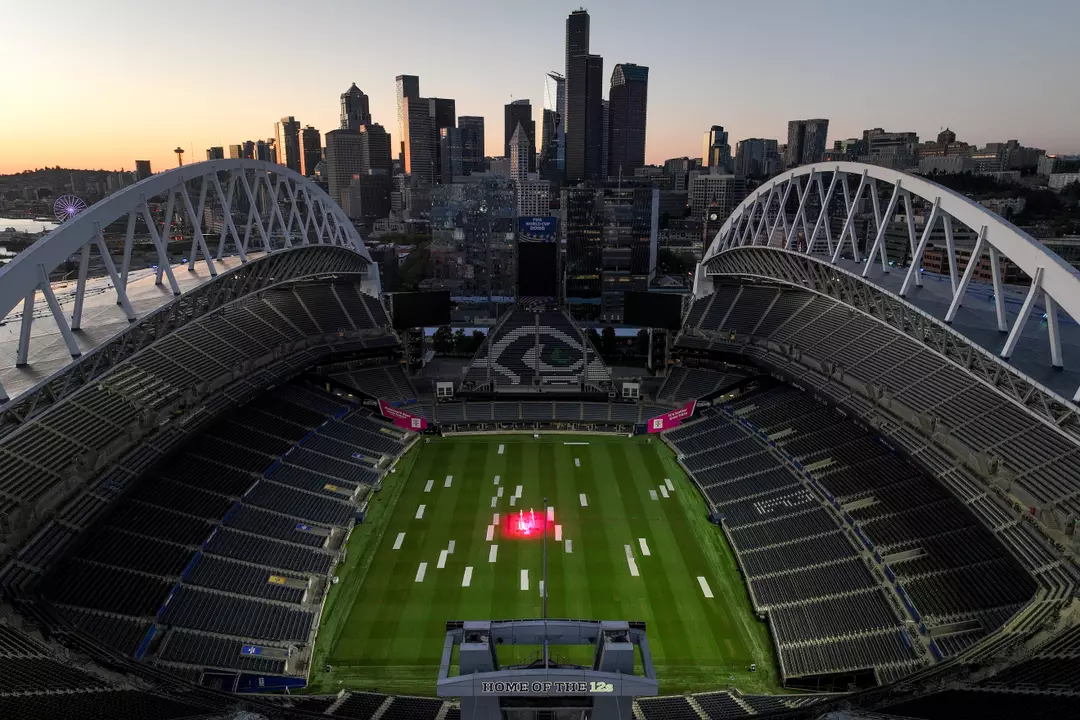
Several major American venues are on the schedule, including Boston’s Gillette Stadium, San Francisco’s Levi’s Stadium and Miami’s Hard Rock Stadium, though FIFA uses its own tournament venue names for commercial reasons. With crowds expected to move through tight security checks at every ground, the governing body has now set out what fans can and cannot take inside.
FIFA has laid out a Stadium Code of Conduct, effective from June 2, 2026, which details what fans are not allowed to bring inside. The prohibited items are divided into several categories, covering everything from clear safety risks to belongings some supporters may not realize could cause trouble at the gates.
Some of the restrictions are predictable, such as a ban on ‘weapons of any kind’ and explosives. However, the guidance also covers items that ‘could be used as a weapon’, including things like golf umbrellas, beach umbrellas, motorcycle helmets and hard hats.
Fans should also be aware that a number of everyday event items are not permitted. Balloons, folding chairs, strollers, thermoses, flasks, aerosol containers, capped or closed bottles, and any bag described as ‘non-transparent’ are among the items that could be turned away.
Other items deemed hazardous include:
- ammunition or components of guns;
- piercing or bladed items;
- tasers, stun guns, mace, pepper spray or other chemical irritants;
- work tools of any kind;
- body protection gear or corsets, unless allowed with a medical prescription;
- helmets, disguises or items designed to conceal identity, except religious headwear, medical masks and face shields;
- lighters, matches, fireworks, flares, smoke bombs and other smoke-emitting articles;
- toxic, radioactive, caustic or corrosive materials;
- spray cans, paints, large permanent markers and flammable substances;
- sports equipment such as inflatable balls, darts and frisbees;
- bicycles, rollerblades, skateboards, kick scooters and electric scooters;
- large items such as stairs, benches, folding chairs, boxes and cardboard containers that exceed FIFA’s size limit and cannot be stored under a stadium seat;
- significant quantities of paper or rolls of paper;
- powdery materials such as flour, although small make-up items are allowed;
- animals, except service animals.
There is also a strict clear bag policy. Only clear plastic, vinyl or PVC bags up to 30cm x 15cm x 30cm, or 12in x 6in x 12in, are allowed, along with small clutches, wallets or purses up to 11.5cm x 16.5cm, or 4.5in x 6.5in. All bags are subject to search at the entrance.
Anyone thinking of bringing their own food should reconsider, as FIFA does not allow ‘food items of any kind’ unless they have been purchased inside the venue or are required for medical reasons, babies or young infants. Food required for medical reasons must be supported by a medical certificate in English, French or Spanish, and permitted food must not be packed in glass containers.
Drinks are also tightly controlled. Liquids containing alcohol are not allowed unless bought in the designated areas, with hand sanitizers listed as an exception if they are no larger than 100ml. The rules also prohibit ‘any other liquids exceeding 100ml unless such liquids are purchased inside the Stadium’, although there are exceptions for baby milk and sterilized water up to 1 litre per child, and medical liquids up to 500ml with the required certificate.
FIFA has already faced criticism over water bottle rules and has since adjusted its policy. For matches in the United States and Canada, supporters are now allowed to bring one soft, plastic, factory-sealed disposable water bottle of up to 20 ounces, or 590ml. Hard-sided reusable bottles are still not allowed, and the allowance has not been extended to matches in Mexico.
Drugs, narcotics and stimulants are also banned from being brought into the stadium, except substances necessary for medical reasons with the proper certificate. Medications that are otherwise legal are permitted only in limited quantities and must be in factory packaging.
Flags and national colors are a huge part of the World Cup atmosphere, but there are limits on what fans can display. FIFA bans ‘banners, flags, fliers, apparel and other paraphernalia that are of a political, offensive and/or discriminatory nature’, along with promotional material.
The rules also cover anything containing ‘wording, symbols or any other attributes aimed at discrimination of any kind against a country, private person or group’. FIFA says discrimination, harassment and abuse can lead to confiscation of materials, removal from the stadium, sanctions and possible referral to law enforcement.
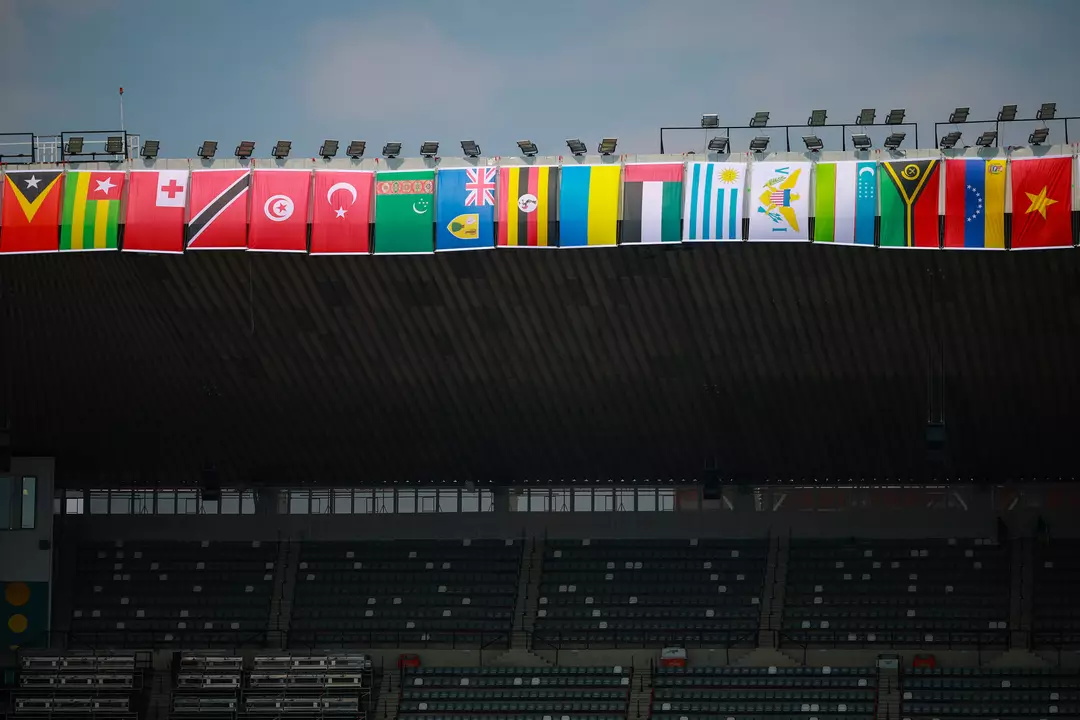
Large flags may also be refused, with restrictions applying to those bigger than 2 meters x 1.5 meters, or 78 inches x 60 inches. Supporters are also warned not to bring pom-poms or flagpoles, unless the pole is flexible, made from nonflammable plastic, and under 1 meter in length. Larger flags, banners, posters or instruments must be approved in advance through FIFA’s fan materials process.
Musical plans may also need scaling back. Instruments larger than 12cm x 12cm x 12cm are not allowed unless they have been pre-approved by organizers and passed through security screening, meaning many supporters hoping to bring larger instruments into the stands will have to leave them at home.
Other items in the tech and noise category include:
- radio-electronic or high-frequency devices that could interfere with broadcast or IT systems;
- vuvuzelas, whistles, air horns, loudspeakers and other excessively loud noisemakers;
- laser pointers and similar laser-emitting devices;
- televisions, professional video cameras and professional recording equipment;
- more than one set of extra batteries or rechargeable units for an allowed device;
- power banks larger than 12cm x 17cm, with only one personal-use power bank allowed per person;
- tripods, monopods, selfie sticks and other mounts for phones or cameras;
- drones, unmanned aircraft systems and remote-controlled aircraft;
- large binoculars, except for partially sighted ticket holders and certain optical magnifying equipment.
The drone rule is especially strict in the United States, where federal authorities have also established no-drone zones around World Cup stadiums, fan events and team sites. Fans should not attempt to fly drones near matches, even from outside the stadium perimeter.
Smoking and vaping are also not allowed inside stadiums. FIFA says cigarettes and electronic smoking devices may be possessed, but they cannot be used within the venue.
The final category is broader, giving organizers the ability to refuse anything else that may create issues. According to FIFA, this includes ‘any other objects that may compromise public safety, cause nuisance and/or harm the Competition’s reputation, as determined by the Event Organisers at their absolute discretion’.
That discretion matters because FIFA says anyone carrying a prohibited item may be refused entry or asked to dispose of it before entering. The Stadium Code of Conduct applies not only to the seating bowl but also to the wider stadium footprint, including controlled entrances, exits, surrounding premises, parking areas and facilities.
There is also a strict no re-entry policy, so fans who leave after passing through the gates should not expect to get back in. Tickets are mobile, and screenshots or printed mobile tickets are not accepted for stadium entry.
In short, fans should travel light, bring a compliant clear bag if needed, keep their ticket ready in the official app, follow the stadium guidance for their specific host city and avoid bringing anything that could delay entry or cause problems once inside.