


Actor Tyler Mane has shared that he has been diagnosed with a rare form of breast cancer and has started chemotherapy, using his announcement to highlight symptoms that men are often less likely to recognise.
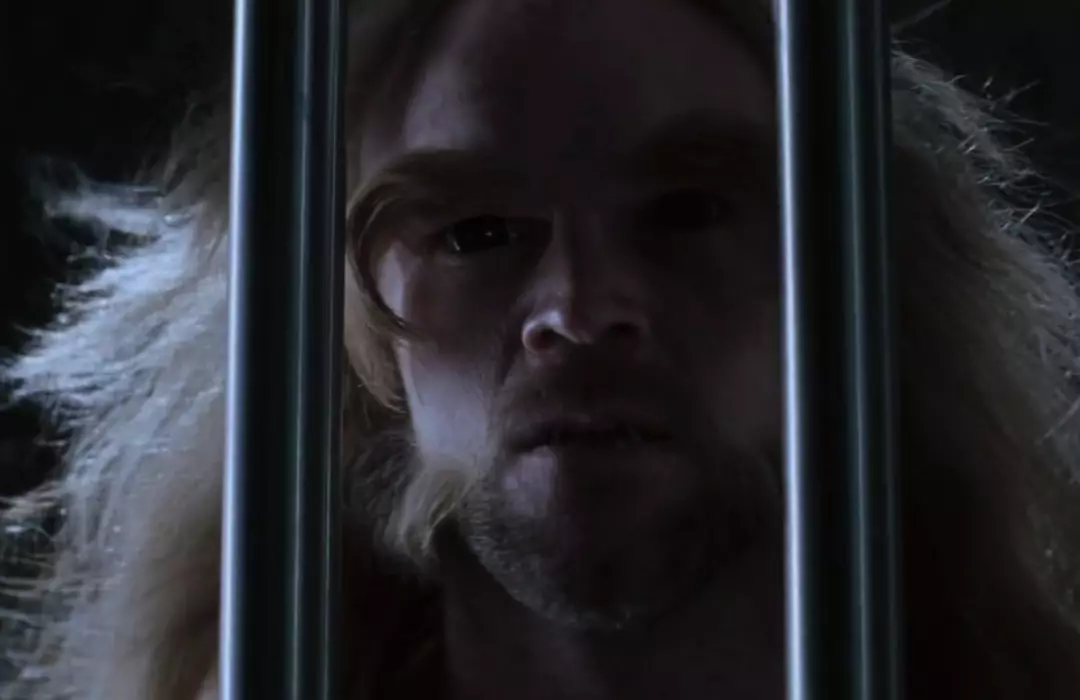
Mane, best known to many viewers for playing Sabretooth in the 2000 film X-Men, opened up about his diagnosis in a post on Instagram.
The 59-year-old former professional wrestler, who worked for World Championship Wrestling before moving further into acting, said he had initially felt reluctant to speak publicly because breast cancer is more commonly associated with women.
In his post, Mane said he had been dealing with a private health battle and credited his wife, Renae Geerlings, with pushing for further action after he says his concerns were dismissed by doctors.
He told his followers:
“I have some bad news. I start chemo today.”
He continued:
“One in 750 men will be diagnosed with breast cancer in their lifetime, and I’m one of them. Because it’s rarely talked about, it’s usually found at later stages and has worse outcomes. I want to change that,”
The actor, who reprised his role as Sabretooth in Deadpool & Wolverine and has also played Michael Myers in Rob Zombie’s Halloween films, encouraged people to follow his updates and help raise awareness.
“Come along for my journey to kick this thing in the a**. Send this to ten of your friends and have them follow me because people need to hear this.”
In the caption, Mane described male breast cancer as ‘super rare’
He also noted that ‘only 1 per cent of breast cancers [affect] men’
That figure is in line with major cancer organisations. The American Cancer Society says fewer than one per cent of breast cancers in the US occur in men, while the Centers for Disease Control and Prevention says about one out of every 100 breast cancers diagnosed in the US is found in a man. In the UK, Cancer Research UK says around 420 men are diagnosed with breast cancer each year.
Mane admitted that his first instinct was not to tell anyone about the diagnosis.
“I’ll be honest, my first reaction was to keep it secret. I mean it’s kind of embarrassing,”
He added:
“But then I found out that men are more likely to be diagnosed in advance stages BECAUSE it’s not talked about and not looked for.”
Explaining how he came to receive treatment sooner, Mane said his wife had played a crucial role.
“In fact, my doctors all dismissed it and it was only because my wife pushed me to get the lump removed that I got in early,”
He urged others not to ignore potential symptoms and to speak openly about the illness.
“So let’s start talking about it! One in 755 men will be diagnosed with breast cancer in their lifetime and if caught early, it’s VERY treatable. Time to answer the Wake Up Call! Like, Save, Share, Comment let’s spread the word!”
The American Cancer Society’s latest estimate puts the average lifetime risk for men at about one in 755. It also estimates that, in the US in 2026, about 2,670 men will be diagnosed with invasive breast cancer and about 530 men will die from the disease.
According to Breast Cancer UK, symptoms of breast cancer in men can include a painless lump that does not go away, discharge from the nipple, a nipple that is pulled into the breast, swelling, a sore on the breast skin, swelling or a lump under the arm, or a rash around the nipple.
Other warning signs listed by the CDC and the American Cancer Society include thickening or swelling in part of the breast, redness or flaky skin on the breast or nipple area, dimpling or puckering of the skin, pain in the nipple area, a change in breast size or shape, or nipple discharge, including blood. The most common sign in men is usually a firm lump, often under or near the nipple or areola.
Health organisations stress that these symptoms can be caused by conditions that are not cancer, but they should still be checked by a doctor as soon as possible. Men are not routinely screened for breast cancer in the way many women are, so noticing and reporting changes is especially important.
The charity also lists several possible risk factors, including obesity, liver conditions, thyroid problems, the use of prohibited drugs, and Klinefelter’s syndrome.
Other recognised risk factors include getting older, a family history of breast or ovarian cancer, inherited gene mutations such as BRCA1 and BRCA2, previous radiation therapy to the chest, some hormone treatments involving oestrogen, certain testicular conditions, liver disease and excess body weight. The CDC says men with a strong family history or a known BRCA mutation in the family should share that information with their doctor, who may suggest genetic counselling.
Treatment depends on the cancer type, stage and test results. The National Cancer Institute says tests used to diagnose and plan treatment can include imaging, biopsy, biomarker testing for hormone receptors and HER2 protein, and genetic testing for inherited mutations. Treatment may include surgery, chemotherapy, radiation therapy, hormone therapy, targeted therapy or immunotherapy.
Following the response to his announcement, Mane posted another update in which he became emotional while thanking fans for their support.
“I’m on oestrogen blockers but obviously not enough, I’ve been crying… Happy, happy tears. Thank you so much everybody, I greatly appreciate all the love,”
His caption read:
“Day two chemo update! First of all. Thank you so much for all the love everyone. I greatly appreciate it. I got this. I’m gonna kick cancer‘s a**.
“Thank you for coming along for the journey. We need to spread the awareness. Cancer sucks but if you catch it quick enough, you can win this battle.”
Anyone who finds a new lump, nipple change, discharge, skin change, swelling under the arm or any other unexplained breast or chest change should book an appointment with a healthcare professional rather than waiting to see if it goes away.