

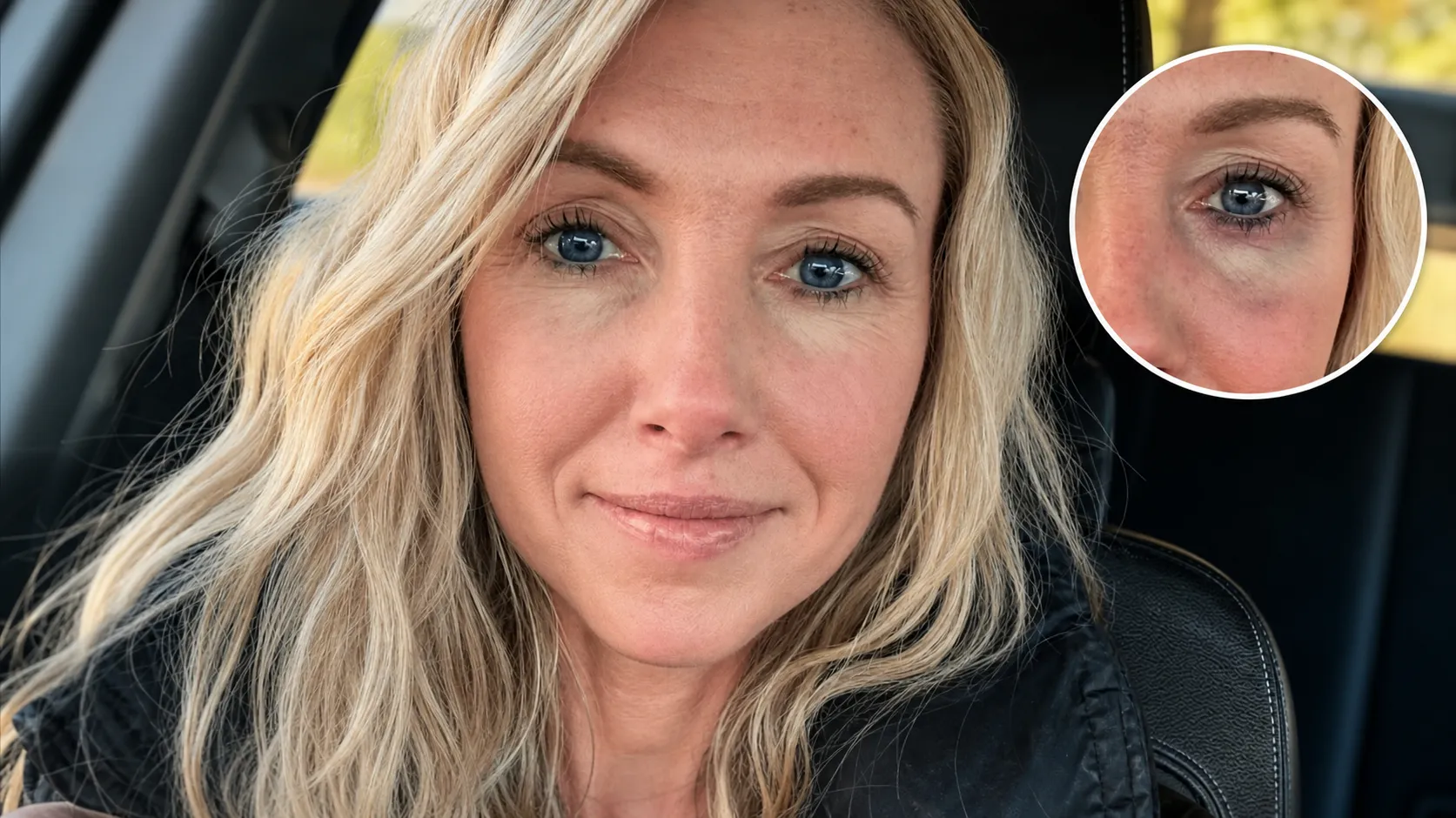
A US mother says a cosmetic Botox appointment turned frightening within hours, after she developed breathing problems the same night and later dealt with recurring hives for years.
Jen Hauer, 41, said she had previously had Botox once without issue, but after a later treatment she began experiencing symptoms that left her alarmed and afraid to go to sleep.
After searching online, the Cincinnati, Ohio, marketing coordinator came across information suggesting her symptoms could be linked to botulism, a serious condition the NHS says can happen if too much botulinum toxin enters the body.
Although she was worried by what was happening, Jen chose not to go to hospital because she felt too embarrassed and feared she would not be taken seriously.
In the weeks that followed, she said she suffered migraines and severe jaw pain, while ongoing hive flare-ups after eating certain foods continued for around two years.
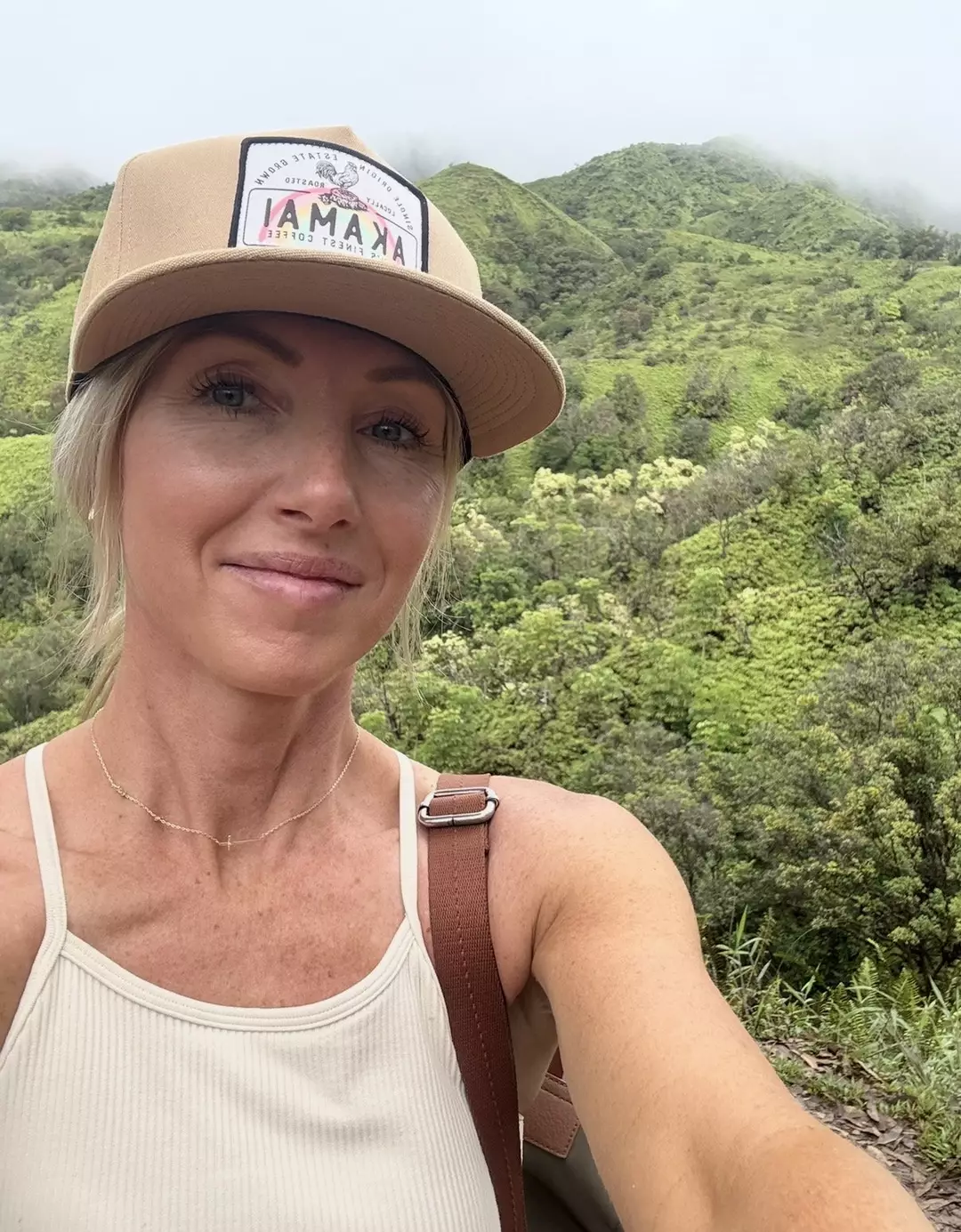
Jen never sought medical treatment for what she believes was a reaction to Botox, saying she worried doctors might dismiss her concerns. She now says she would never have the injections again.
She is urging others to think carefully before undergoing the procedure and says there should be greater awareness of the possible risks involved.
The mom-of-three said: “I should have taken myself to the hospital, but I felt embarrassed. I didn’t think anyone would believe me.
“I stayed up the entire night. I was so scared I would die in my sleep.
“I remember thinking I would never again risk my health just to try and look physically better for everybody else. It’s absolutely not worth it.
“I would never get it again, and would encourage people not to, it’s like playing Russian roulette with your health. What if I did die, or lost the ability to swallow?
“It could have changed the whole course of mine and my family’s life, just because I didn’t want wrinkles on my face. It seemed selfish to me.”
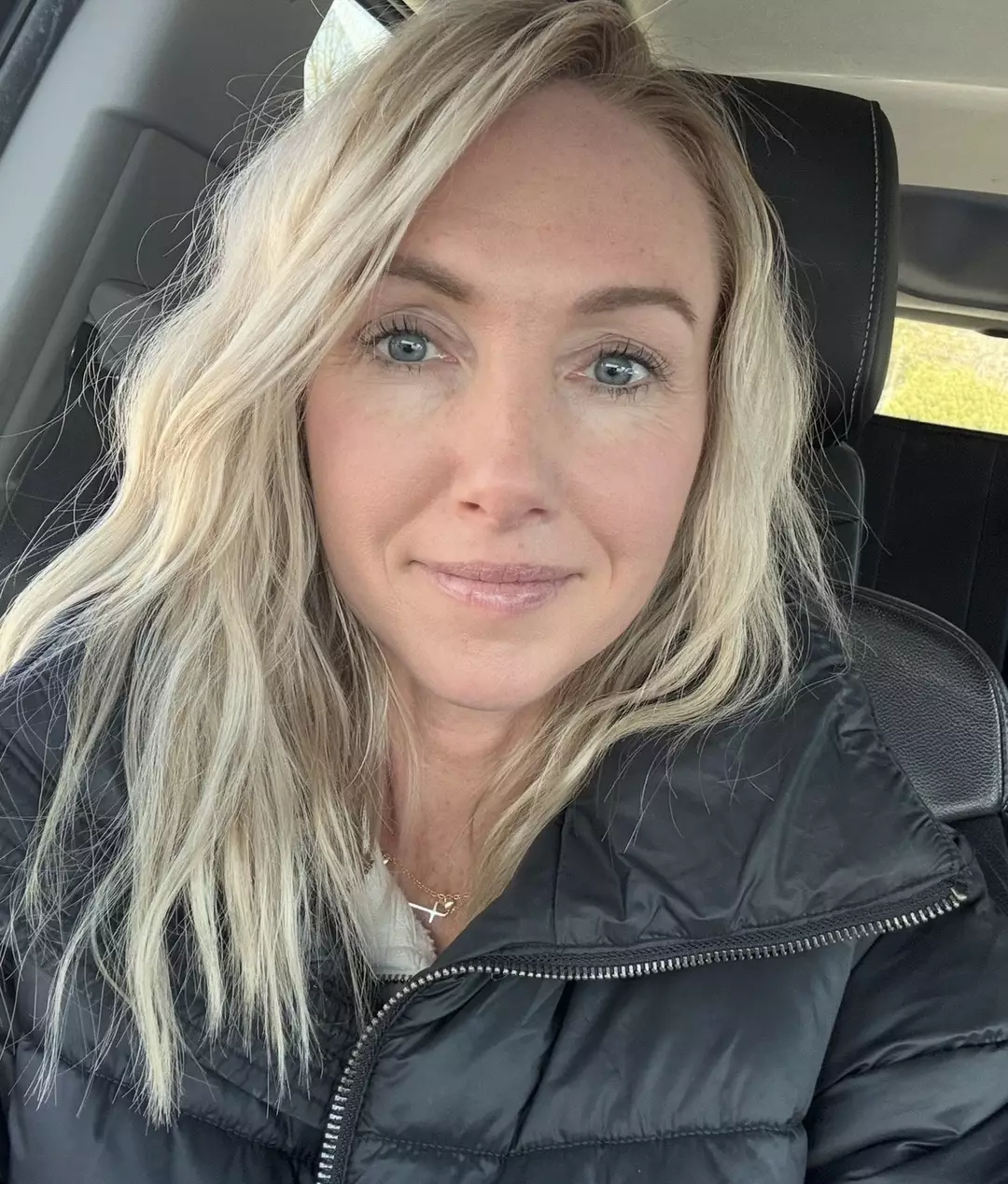
Jen said her concerns about her appearance grew during the COVID pandemic in 2020, when remote work meant regularly seeing herself on Zoom.
“I was seeing myself up close, and I started to feel insecure about the wrinkles around my eyes,” she said.
Once restrictions eased in May 2020, she decided to book an appointment for Botox.
Because it was her first experience with the treatment, she said she opted for a very small dose, receiving three units around each eye from a nurse practitioner.
“I couldn’t really tell a huge difference,” she said.
Jen, who says she has an autoimmune disorder, had been concerned she might react badly. But because the first appointment seemed uneventful, she returned in December 2020 for further treatment.
This time, she said she received four to five units in her forehead as well as injections around her eyes.
Later that night, as she was preparing for bed, she noticed she was having trouble both breathing and swallowing.
She said: “I couldn’t catch my breath, I thought, ‘What’s going on, did I not drink enough water?'”
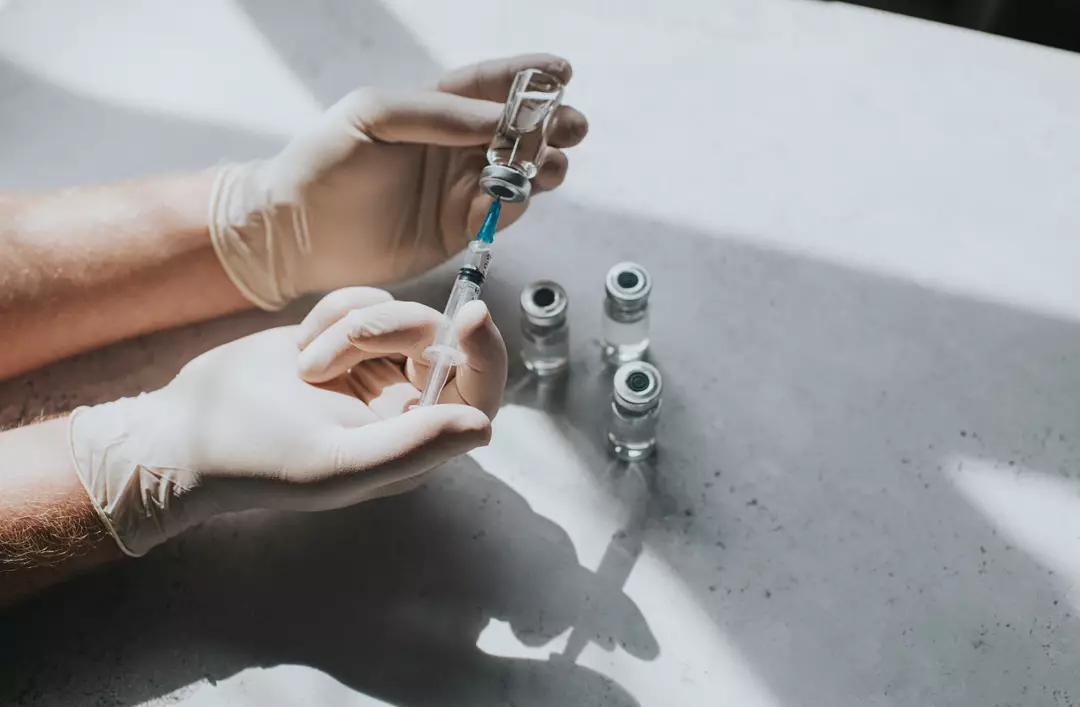
She then began to suspect the Botox may have been responsible and searched online for known side effects, where she found that breathing and swallowing difficulties are listed as rare but potentially serious complications.
Botox is the brand name for one form of botulinum toxin, a prescription medicine used both cosmetically and medically. In the US, botulinum toxin products carry an FDA boxed warning stating that toxin effects can spread beyond the injection site and, in some cases, cause symptoms including muscle weakness, trouble swallowing and trouble breathing.
The NHS also warns that iatrogenic botulism can happen after cosmetic procedures using botulinum toxin, with symptoms including difficulty swallowing, slurred speech, breathing problems and facial weakness. It says urgent medical advice should be sought if symptoms appear after an injection.
Anyone suffering from these rare but severe Botox side effects should seek medical attention immediately.
Even so, Jen said she decided against hospital treatment and instead stayed awake through the night because she feared falling asleep.
She also drank large amounts of water because she hoped it might help clear the Botox from her body, and by the next morning she said her breathing had started to improve.
But the after-effects did not stop there. For around a month, she said she experienced repeated migraines and significant facial pain.
“I’d never had anything like that before, I never get migraines, so it must have been from the Botox,” she said.
She also said she later developed histamine-related problems and would break out in hives after eating foods such as chocolate.
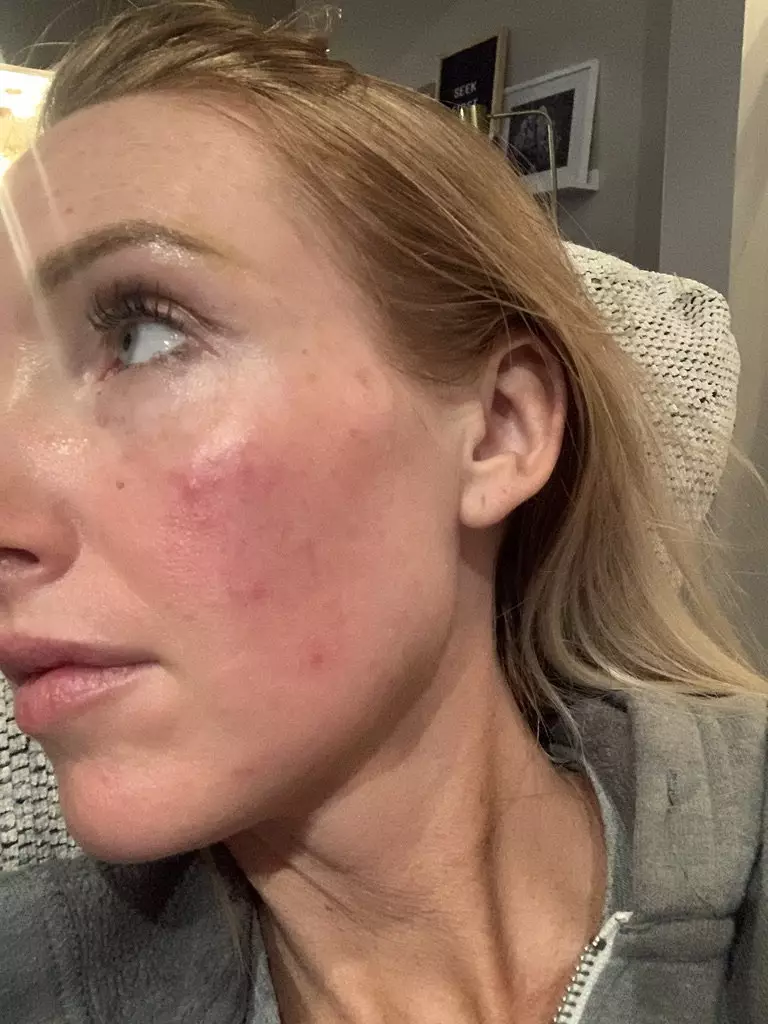
A 2023 paper by researchers at University College London, published in the journal Skin Health and Disease, analysed self-reported experiences following cosmetic botulinum toxin injections. The study has been widely cited in media coverage of long-term side effects, but its findings were based on survey responses rather than a clinical diagnosis of causation in individual cases.
“It took me a while to connect that that was also connected to the Botox,” she said. “I healed myself by drinking bone broth and lemon water and eating a whole food diet.”
Jen said it took about two years before she felt fully back to normal, and she now advises others not to take the same risk.
“There needs to be more awareness around the risks; they never read the side effects to me or told me what to watch out for,” she said.
“I just want to educate women and help them understand that it’s not worth losing your health over.”
Botulinum toxin injections remain extremely common. According to the American Society of Plastic Surgeons, neuromodulator injections including Botox, Dysport, Xeomin, Jeuveau and Daxxify accounted for 9.88 million procedures in 2024, up 4 percent on the previous year.
Health authorities advise patients to make sure they are being treated by a properly licensed healthcare professional, to ask exactly which product is being injected, and to seek urgent medical help if they develop symptoms such as difficulty swallowing, speaking or breathing after treatment.
After the experience, she said she became far more accepting of her appearance and now feels more comfortable embracing the natural ageing process.