

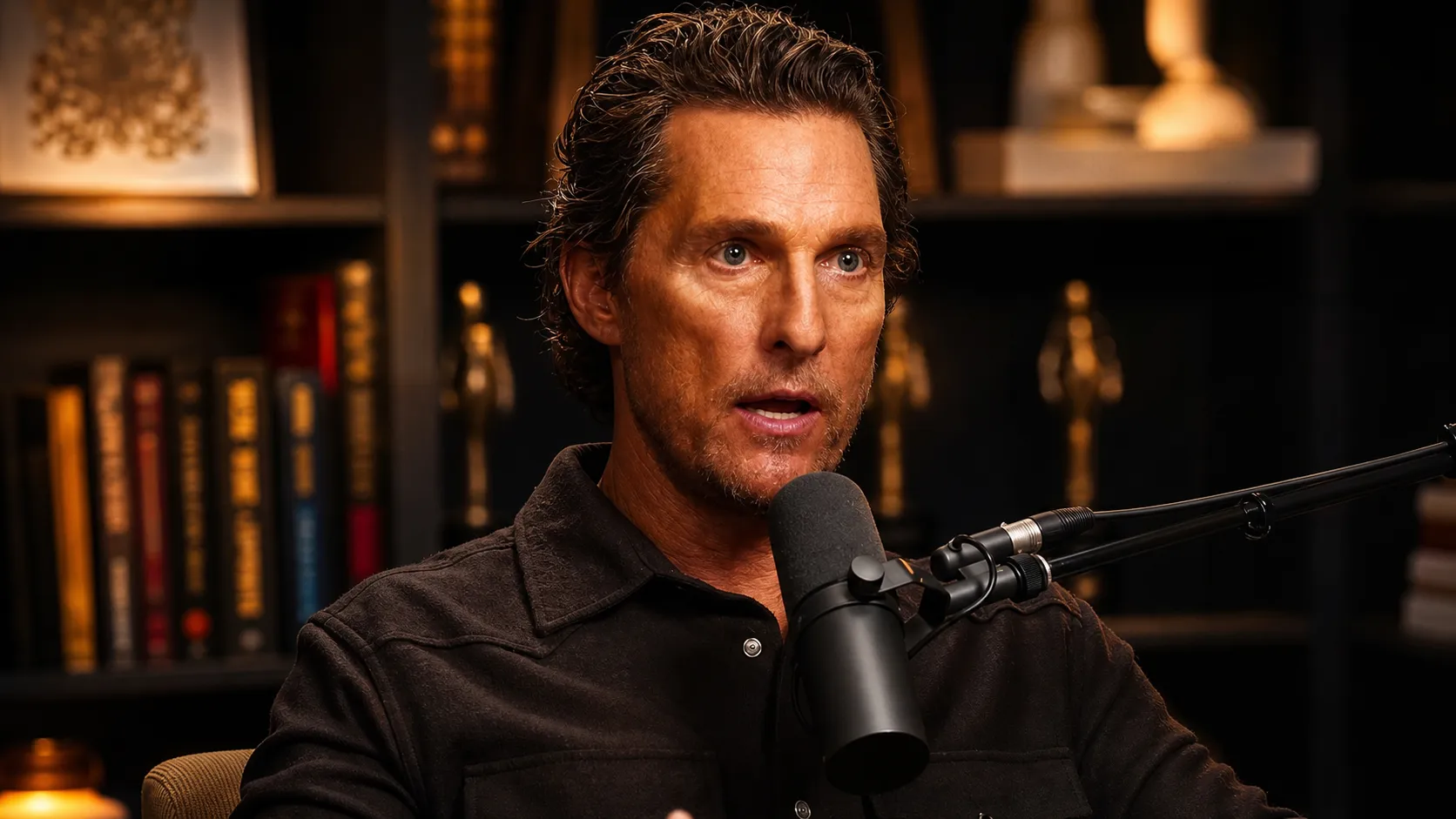
Matthew McConaughey has shared a more comforting way to look at ageing, offering a perspective that could make the idea of midlife feel a lot less daunting.
Speaking on the On Purpose with Jay Shetty podcast, the 56-year-old actor reflected on getting older and said his 40s stand out as the decade he enjoyed most.
The episode, titled MATTHEW MCCONAUGHEY: The KEYS to a Meaningful Life (Love, Faith, Family & Turning Failure into Growth), was released in January 2026 and featured a wider conversation about faith, purpose, family and the way people reassess their lives as they get older.
From what he has heard in conversations with others, he believes plenty of people feel the same way.
“40s were my favorite decade,” McConaughey said. “I think I really customized. And I found that to be true for a lot of people, especially a lot of the men I talked to.”
He explained that part of the appeal is the sharper sense of focus that can come with that stage of life, when people become better at cutting out distractions and investing more in what genuinely excites them.
“You get rid of all that stuff where you’re wasting your time and you’re honing in on the stuff that turns you on,” he said.
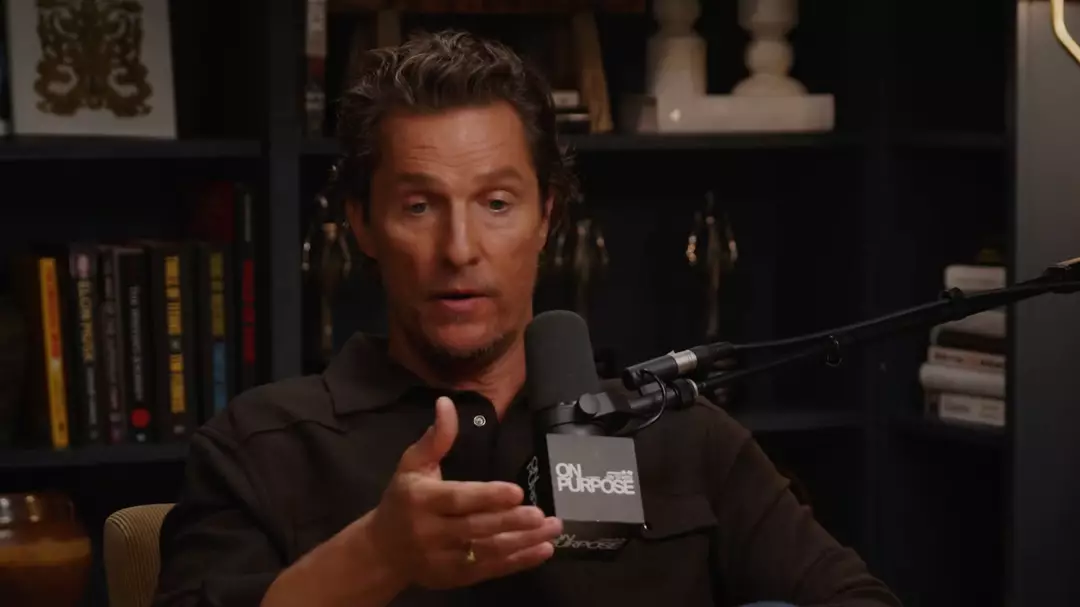
While he speaks highly of his 40s, McConaughey said the beginning of his 50s felt far less steady.
He acknowledged that those early years brought some uncertainty, leading him to wonder whether he was experiencing the classic turning point many people associate with midlife.
“The first few years of the 50s were a little wobbly for me,” he said. “So you go, oh, is this that midlife crisis?”
Even so, he is not especially keen on describing that period as a crisis. In his view, that label gives the wrong impression and overlooks the possibilities that can come with it.
“I don’t like the word crisis on that,” he said. “Sounds like a midlife, for lack of a better word, opportunity.”
McConaughey was born on 4 November 1969, meaning he turned 56 in late 2025, and his comments land in the middle of a much broader discussion about how people experience middle age.

McConaughey’s view is that this kind of midlife reckoning is common, especially when someone starts weighing what they have already done against what still lies ahead.
According to him, the real difficulty is not the phase itself, but the tendency to overlook or undervalue everything it took to reach that point.
“I think my hunch is that most people go through what they call a midlife crisis,” he said.
“And if it’s hard for them or not healthy for them, it’s because maybe they’re not given enough credit to what they actually have done to get there.”
His perspective also lines up with a long-running body of research suggesting wellbeing often follows a U-shaped pattern across life, with satisfaction dipping in middle age before rising again later on. That does not mean everyone has a midlife crisis, but it does help explain why the 40s and early 50s can feel like such a reflective period.
Health experts also regularly point out that midlife is an important stage for long-term wellbeing. Research highlighted by the National Institute on Aging has linked factors such as blood pressure, stress, diet and overall cardiovascular health in the 40s through early 60s with how people fare in later life, giving extra weight to McConaughey’s idea that these years can be a turning point rather than simply a decline.