


Mayim Bialik says she was unable to even hold down a sip of water without ‘sprinting to the bathroom’ after being prescribed a GLP-1 medication.
The actor, best known for playing Amy Farrah Fowler in The Big Bang Theory, said the experience left her feeling ‘weak and debilitated’ despite only taking the lowest dose.
GLP-1 medications including Ozempic and Mounjaro are primarily prescribed to people with type 2 diabetes to help manage blood sugar, though they have also become widely known for their role in weight loss. Related medicines in the same class, including Wegovy and Zepbound, are approved specifically for chronic weight management in certain adults, while doctors may sometimes prescribe these drugs off-label for other reasons.
Bialik has now spoken publicly about what happened after a single dose, saying the gastrointestinal effects were severe and continued for weeks.
She detailed the ordeal in an essay for The Free Press. Unlike some people who take the drugs for slimming purposes, Bialik said her prescription was recommended by a doctor for a different health issue.

She explained that the medication was intended to help with symptoms linked to an autoimmune condition she had been dealing with for years.
Bialik, now 50, was diagnosed with Graves’ disease at 23.
“Twenty-five years, four unexplained hernias, and four exploratory surgeries later, I was well past perimenopause and drowning in symptoms I couldn’t explain.”
She said those symptoms included ‘full-body rashes, palpitations and hourly wake ups.’
Graves’ disease is an autoimmune disorder that causes the thyroid to produce too much hormone, which can speed up many of the body’s functions. It is the most common cause of hyperthyroidism in the US and can trigger symptoms such as rapid or irregular heartbeat, anxiety, tremor, heat intolerance, weight changes and sleep disruption.
The condition can also contribute to bone loss, menstrual and fertility problems, and eye complications sometimes known as Graves’ eye disease, which may cause irritation, swelling or bulging of the eyes.
Bialik said that was when doctors suggested she try GLP-1 drugs because they ‘had shown promise in reducing systemic inflammation which drives these conditions.’
Research into GLP-1 medicines has expanded rapidly in recent years, with scientists studying their effects well beyond blood sugar and weight. But those possible benefits are still being investigated, and the drugs remain best known for their approved use in diabetes and obesity care.
But she said the reaction was overwhelming.
The star said that to describe it as ‘an adverse reaction would be an understatement.’
Even at the lowest dose, Bialik reported ‘explosive, uncontrollable diarrhea, violent sulfur burps and sneezing attacks every time she tried to eat or drink’.

She also said she suffered from intense cramping, bloating, flu-like symptoms, and what she described as ‘what was closer to an allergic reaction’.
Bialik went on to describe ‘an inability to keep down even small sips of water without sprinting to the bathroom with yet more explosive diarrhea’.
“More than three times, I didn’t make it.”
She said she was stunned by what she saw as her doctor’s ‘unsurprised reaction,’ and was told that ‘extreme side effects were not unusual’.
“And yet, in the depth of my misery—my exhausted body, my aching joints, another pair of ruined underwear—a piercing, devastating thought occurred to me: At least you might lose some weight,” she wrote.
Bialik added that she ‘wouldn’t blame’ anyone for deciding to endure those side effects, but said she ultimately chose to stop taking the medication.
She also said the effects did not quickly disappear, explaining that symptoms continued for weeks because of the drug’s ‘long half-life,’
That lingering effect is consistent with how several of the best-known GLP-1 drugs work. Semaglutide, sold under brand names including Ozempic and Wegovy, is designed to stay in the body for about a week, while tirzepatide, the active ingredient in Mounjaro and Zepbound, also has a relatively long half-life. That can mean side effects do not stop immediately after a person skips or discontinues a dose.
Bialik is far from the only well-known figure to speak about difficult side effects tied to these medications. Kris Jenner has also said the drug left her ‘feeling so sick’ that she could not work.
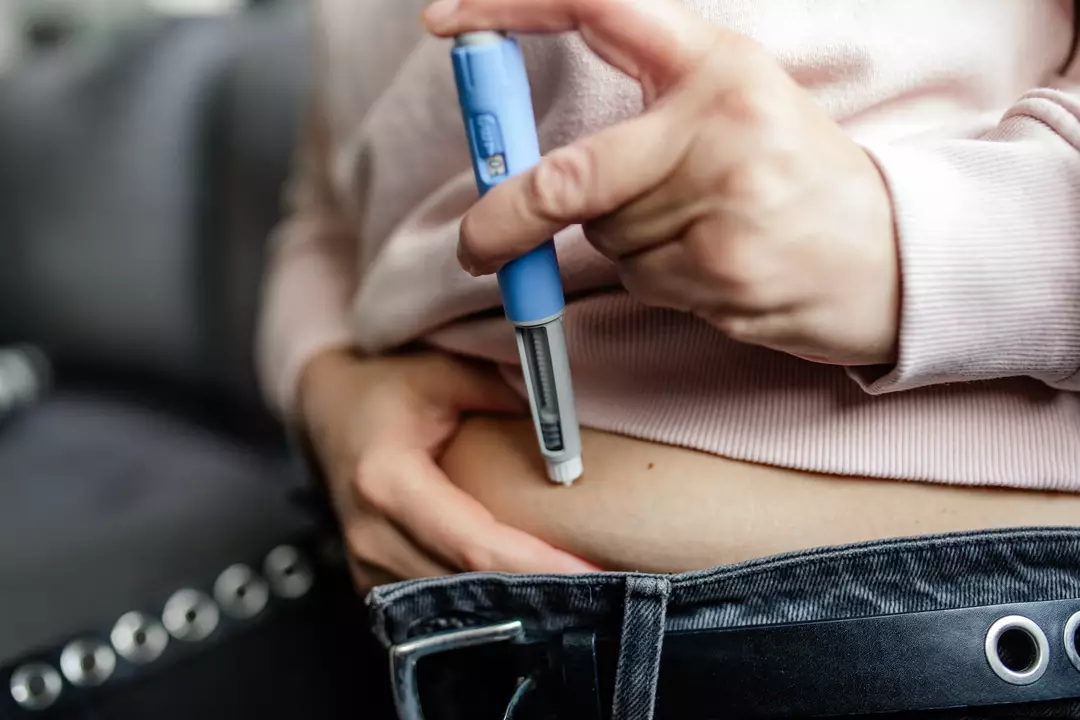
Harvard Health says the most common side effects associated with GLP-1 drugs are typically gastrointestinal.
That includes nausea, vomiting, diarrhea and constipation, all of which also appear prominently in FDA prescribing information for major GLP-1 medications. The medicines work in part by slowing stomach emptying and affecting appetite signals, which is one reason digestive symptoms are so common, especially when treatment begins or doses are increased.
It also notes that some people develop a hollowed appearance in the face or sagging around the jaw and neck, not because of the drugs directly, but due to rapid weight loss.
Rarer but more serious side effects can also occur, according to Harvard Health.
Product labels for leading GLP-1 drugs warn about risks including severe gastrointestinal reactions, dehydration that can contribute to kidney problems, gallbladder disease, pancreatitis and hypersensitivity reactions. The drugs are not appropriate for everyone, which is why doctors usually review a patient’s medical history carefully before prescribing them.
For many patients, the side effects are manageable and temporary, and the medications can be highly effective when used appropriately. But Bialik’s account is a reminder that responses can vary dramatically from person to person, and that even one injection can be enough to trigger a severe reaction in some cases.