

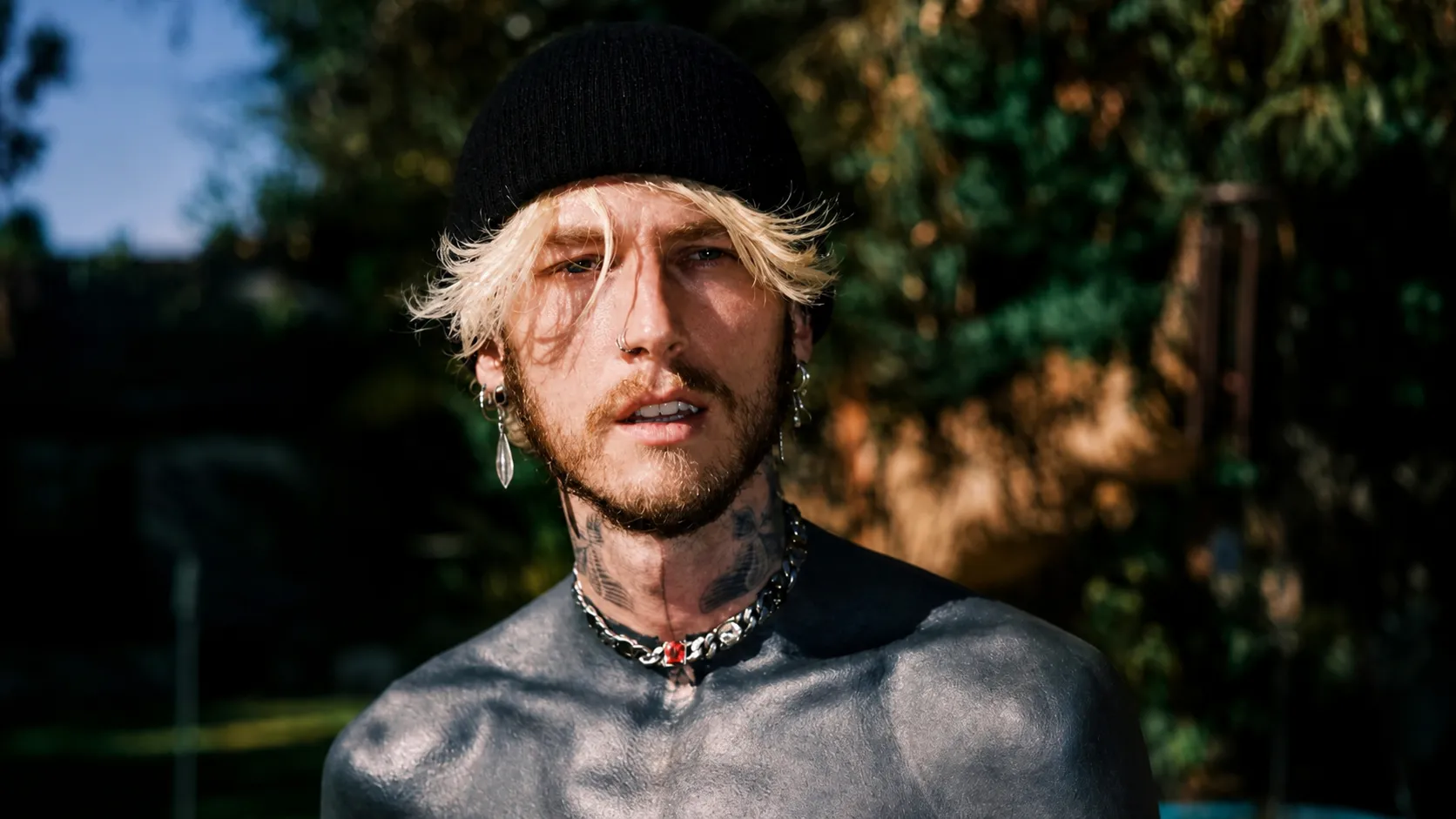
Specialists have outlined several concerns linked to extensive tattoo work after Machine Gun Kelly spoke about the severe reaction he experienced following a ‘dark mode’ tattoo.
In 2024, the artist underwent a dramatic blackout tattoo transformation that covered much of his torso. Celebrity tattooist ROXX previously said the project would take ‘two years’ to finish.
Kelly instead chose to complete the process far faster, with the tattoo reportedly being finished in just two months.
Reflecting on the aftermath in an interview Canada, Kelly said:
“After the first week, we hit my lymph nodes around my armpits and shoulders, and I got really sick. My skin was turning yellow. I wasn’t able to sleep. I stopped being able to move certain parts of my upper body.”
While it is not clear exactly what caused those symptoms, dermatology and safety experts say very large blackout tattoos can put unusual strain on the body because they involve repeated trauma to a wide area of skin over a short period of time.
Medical professionals have also raised concerns about how blackout tattoos may interfere with certain health checks. David E. Bank, director at The Center for Dermatology, Cosmetic, and Laser Surgery in New York, told Women’s Health:
“Since the black ink contains iron oxide, it makes it difficult for MRI scanners to heat up and actually take a reading.

“The area might also swell or feel like it is burning while under an MRI.”
The U.S. Food and Drug Administration warns that tattoos can sometimes cause swelling or burning during MRI scans, which is why patients are typically advised to tell imaging staff about any tattoos before an exam. Experts stress that this kind of reaction is uncommon, but the risk may be more relevant in people with large areas of dense dark ink.
There is still uncertainty around the wider long-term impact tattoos may have on the body, including ongoing questions over whether tattoo pigments or toxins can build up in lymph nodes and cause harm.
Recent research has added to that debate rather than closing it. Studies have found that tattoo pigments and elements from inks can move from the skin into nearby lymph nodes, and newer work has suggested tattoo ink may trigger inflammation in draining lymph nodes, although scientists are still working to understand what that means for long-term health in people.
At present, findings on that issue remain inconclusive, and major health agencies have not said tattoos themselves are proven to cause cancer or systemic disease in most people. However, specialists say the lack of definitive long-term data is one reason large-scale tattooing should be approached carefully.
Professor Adam Taylor of Lancaster University also explained that large tattoos place considerable stress on the skin. He said:
“Tattoos cause damage to the skin that takes time to heal.
“As the needles break the skin, this causes the body to automatically mount a response, resulting in swelling. The larger the tattoo, the more fluid accumulates in the area.
“This is why larger tattoos are normally spread over a number of sessions to allow the body to heal and recover in-between.”
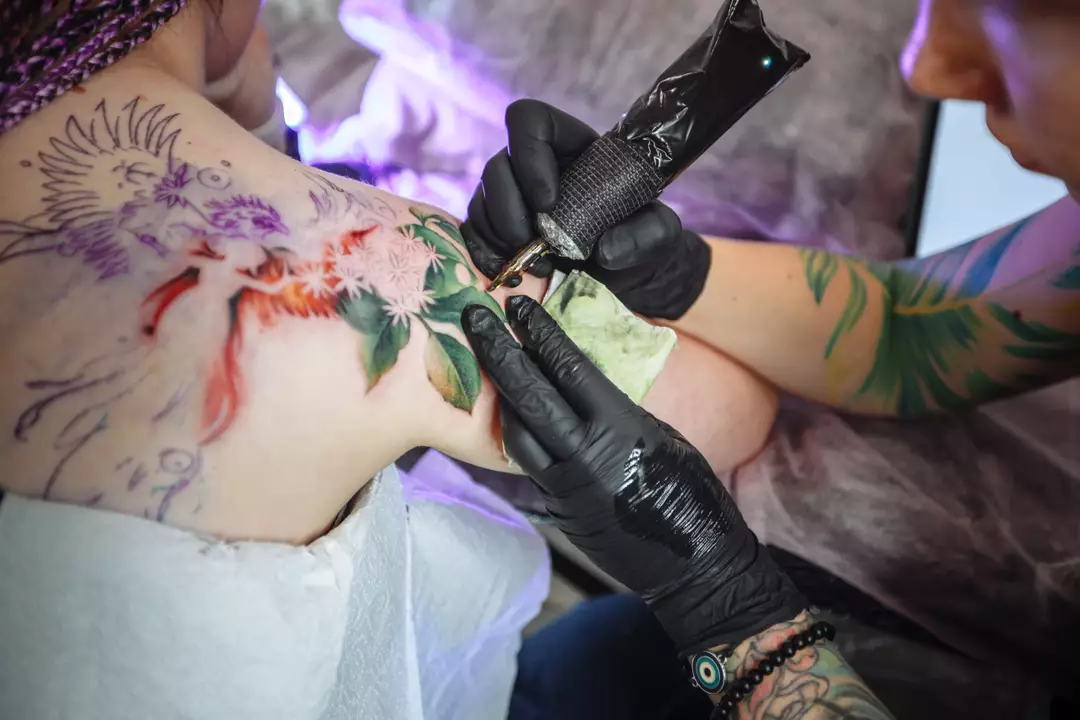
It is still not known exactly what caused Kelly’s symptoms, but Professor Taylor said that any treatment involving repeated puncturing of the skin carries a higher risk of infection entering the bloodstream.
He added:
“Substantial tattoos can also cause significant inflammation in tissues, which can manifest as bruising which can lead to yellowing of the skin,”
“Tattoo needles are designed to deposit ink in the dermis which is close to surface, while lymph nodes are typically deeper into tissues than the length of a needle.”
Among the more common problems associated with tattooing are bacterial skin infections, allergic reactions to pigments, delayed healing and permanent scarring. New tattoos can also aggravate existing skin conditions such as eczema, psoriasis or keloid scarring in people who are already prone to them.
Regulators have also continued to monitor tattoo ink safety. In May 2025, the FDA issued a safety alert telling consumers, tattoo artists and retailers to avoid using certain Sacred Tattoo Ink products after laboratory testing found contamination with pathogenic microorganisms, including Pseudomonas aeruginosa. The agency has also said tattooing carries an increased risk of infection any time the skin barrier is broken.
Health experts generally advise anyone considering a very large tattoo or blackout piece to use a licensed studio that follows strict hygiene rules, check that inks are from reputable sources, avoid rushing huge areas into too few sessions, and seek medical attention if they develop severe pain, spreading redness, fever, pus, or trouble moving the affected area.