

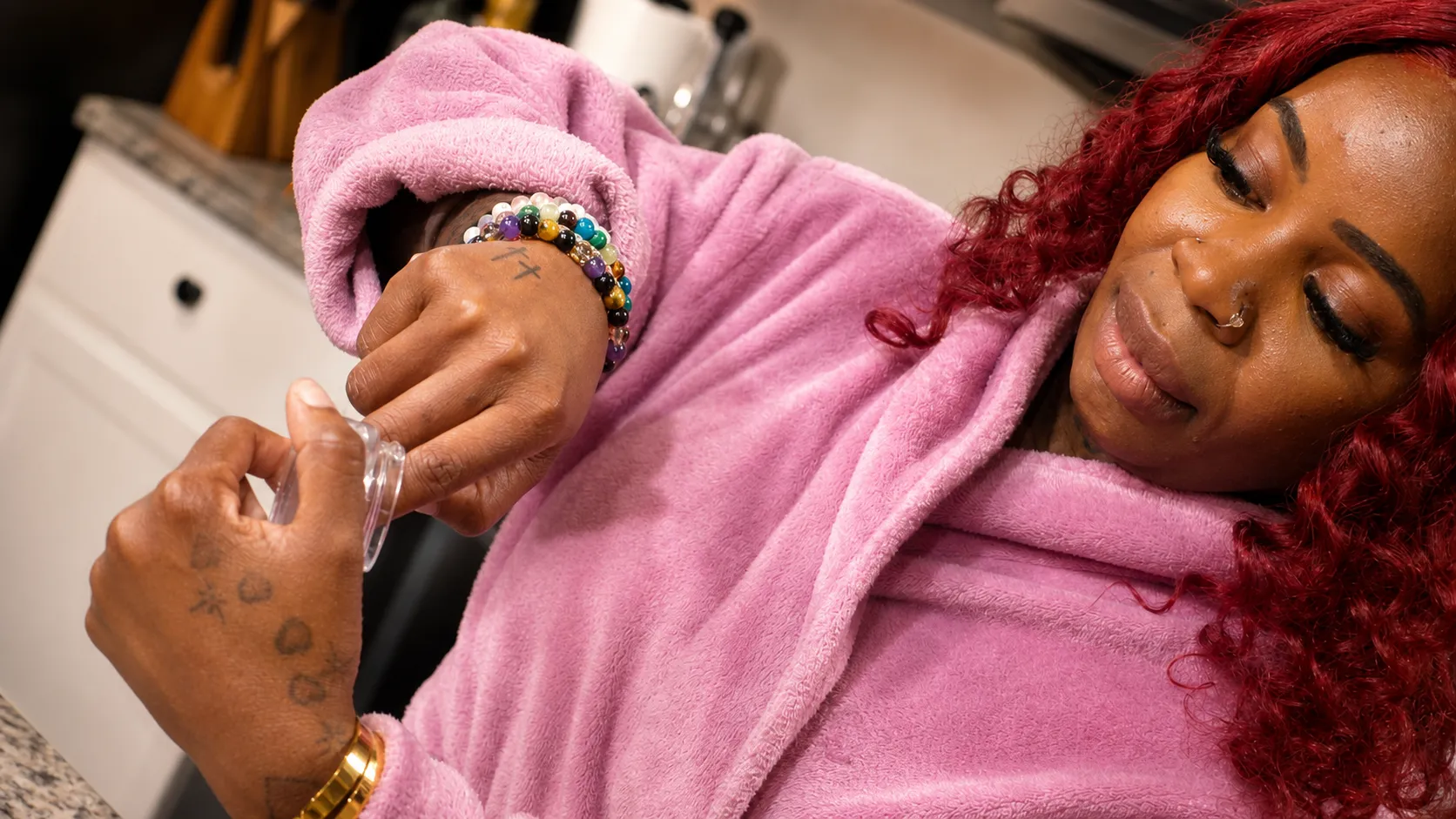
Janet Agyemang, a mother from West Virginia, has spoken candidly about her long-running compulsion to chew and eat toenails, including clippings that aren’t her own.
Her appearance on TLC’s My Strange Addiction drew widespread attention after viewers saw the unusual habit she has struggled with since childhood. TLC’s current listings identify the segment as part of season seven’s episode “Sponge Snacks, Eats Toenails,” reflecting the network’s 2026 run of the series.
In the clip that quickly spread online, Janet is shown after an intense gym workout lifting her feet to her mouth, biting off her toenails and chewing them. She described the taste as ‘salty’.
At the time of filming, she estimated that she was eating roughly 60 toenails each week. Over the years, that added up to nearly two pounds of toenails consumed since the behavior first began when she was young. The habit also extends beyond her own nails, as she has admitted to eating her children’s nail clippings too.
According to Healthline, the compulsive urge to bite or eat nails is known as Onychophagia. More broadly, specialists often place chronic nail biting within the category of body-focused repetitive behaviors, or BFRBs, a group of repetitive self-grooming behaviors that can be difficult to stop even when they cause distress or physical damage.
Medical literature suggests nail biting is far from rare in general, even if Janet’s case is unusually severe. Reviews indexed by PubMed have estimated that onychophagia affects around 20 to 30 percent of people at some point, and researchers note that stress, anxiety, shame and other psychiatric or behavioral conditions can all play a role.
UCLA Health and other clinical sources note that the behavior can lead to a number of health issues, including problems with teeth, irritation or injury around the nail bed, fungal or bacterial infections, and illness caused by germs entering the mouth. Repeated biting can also worsen damage to the nails themselves and may contribute to jaw strain or dental work being harmed over time.
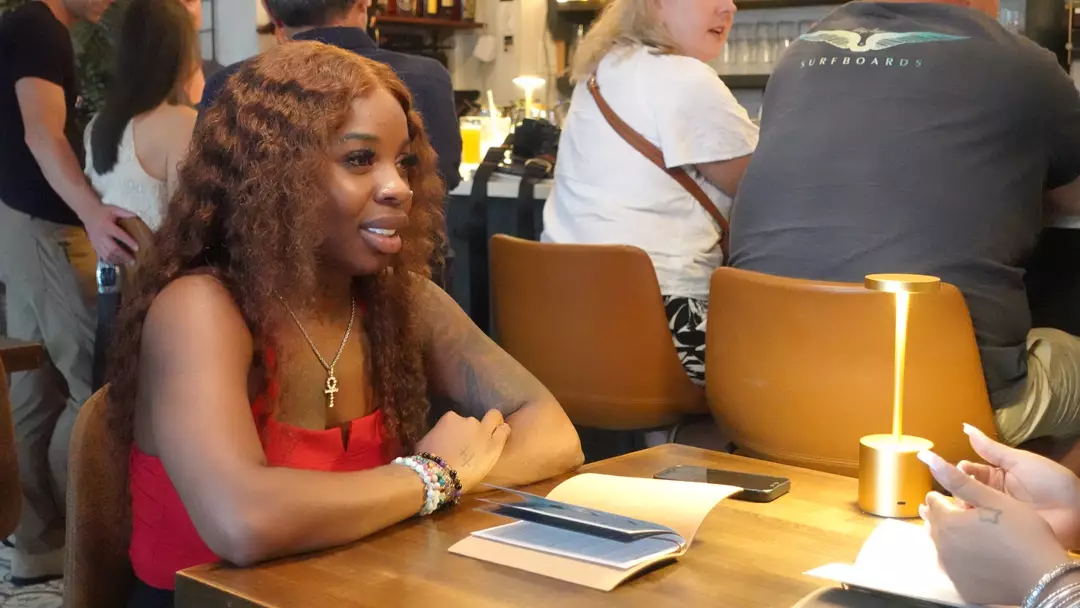
Months after the episode was broadcast, Janet said the addiction remains largely unchanged. She explained that while she has reduced how often she eats her toenails, she still struggles with an attachment to chewing her fingernails.
The habit also still involves other people’s clippings. During the show, Janet was seen asking a friend for her nail trimmings. She has also said that she keeps her daughters’ clippings in a container and takes them to work with her.
“I’ll save her nails, and I’ll put it in the gum when I get to work to make me feel closer to her. And I’ll chew gum until I leave work,” Janet tells us, as she says leaving her children to go to work is ‘triggering’ for her.
Behind the shock value of her story, Janet says the behavior is rooted in early trauma. She traced the start of the addiction back nearly 26 years to her childhood.
She was raised in Ghana by her grandparents before being sent to the US to live with her biological parents. Janet said she had no warning about what was happening.
“I was never told where I was going, I was just put on the airplane with a complete stranger and I was on my way to meet my real parents,” she recalled.
Separated from her grandparents during the flight, Janet said she became overwhelmed with anxiety. It was during that experience that she started chewing her nails and found that it soothed her.
After arriving in America, she said finally meeting her parents was emotionally complicated. Janet explained that while her father tried to reconnect and make up for the lost years, her mother “treated her differently,” and the nail habit continued. She also said her father was later deported, something that ‘turned her world upside down’.
With so much upheaval at a young age, Janet carried the behavior into adulthood. She says chewing and eating nails still serves as a way to calm herself when she feels distressed.
Experts say that for some people, habits like nail biting can become deeply tied to emotional regulation rather than simple grooming. Organizations focused on OCD-related conditions say BFRBs are often misunderstood, and many sufferers make repeated attempts to stop before finding an effective treatment approach.
Treatment can vary depending on what is driving the behavior. Doctors and mental health professionals may recommend cognitive behavioral therapy, habit-reversal training, stress-management strategies, or treatment for underlying anxiety or trauma. Researchers have also noted that severe onychophagia can require support from more than one specialist, including a therapist, dermatologist and dentist.
Despite living with the habit for more than two decades, Janet says she has not experienced any major health issues so far. Even so, she wants to stop, especially because she worries about damaging her veneers.
“You’re so traumatized, you don’t think about what it can do to you,” Janet expresses.
“When we were doing the show, my oldest mentioned something about fungus. I never really thought about the impacts it could cause me.”
Janet also said that other people dealing with the same condition have reached out to her, and she encourages anyone in a similar situation to look for ‘another way to cope with their stressor’.