

The decision to remove 1975 film Wrong Move from circulation after German actress Nastassja Kinski’s lengthy legal fight has renewed debate over performers who later spoke out about troubling intimate scenes.
Kinski was just 13 when she appeared in the film, which included a controversial moment showing her topless in bed as a 30-year-old male actor undressed and joined her.
The Wim Wenders Foundation, which owns the movie, recently announced that it would no longer distribute it. In a public statement published in early June 2026, Wim Wenders said the non-profit foundation was withdrawing Wrong Move from all current forms of distribution and exhibition.
“As the only person responsible at the time for Wrong Move who is still here, I recognize that Nastassja Kinski should have been better protected back then,” he wrote.
“For that, I apologize to you, Natassja, unreservedly, no ifs or buts.”
The move has also prompted wider discussion about how film and television sets have changed in recent years. Since the #MeToo era, intimacy coordinators have become far more common on scripted productions, and SAG-AFTRA now has a formal agreement covering intimacy coordinators working across television, theatrical and streaming projects.
In the wake of that development, attention has also turned to other stars who have since reflected on film and TV scenes they found distressing, exploitative or damaging.

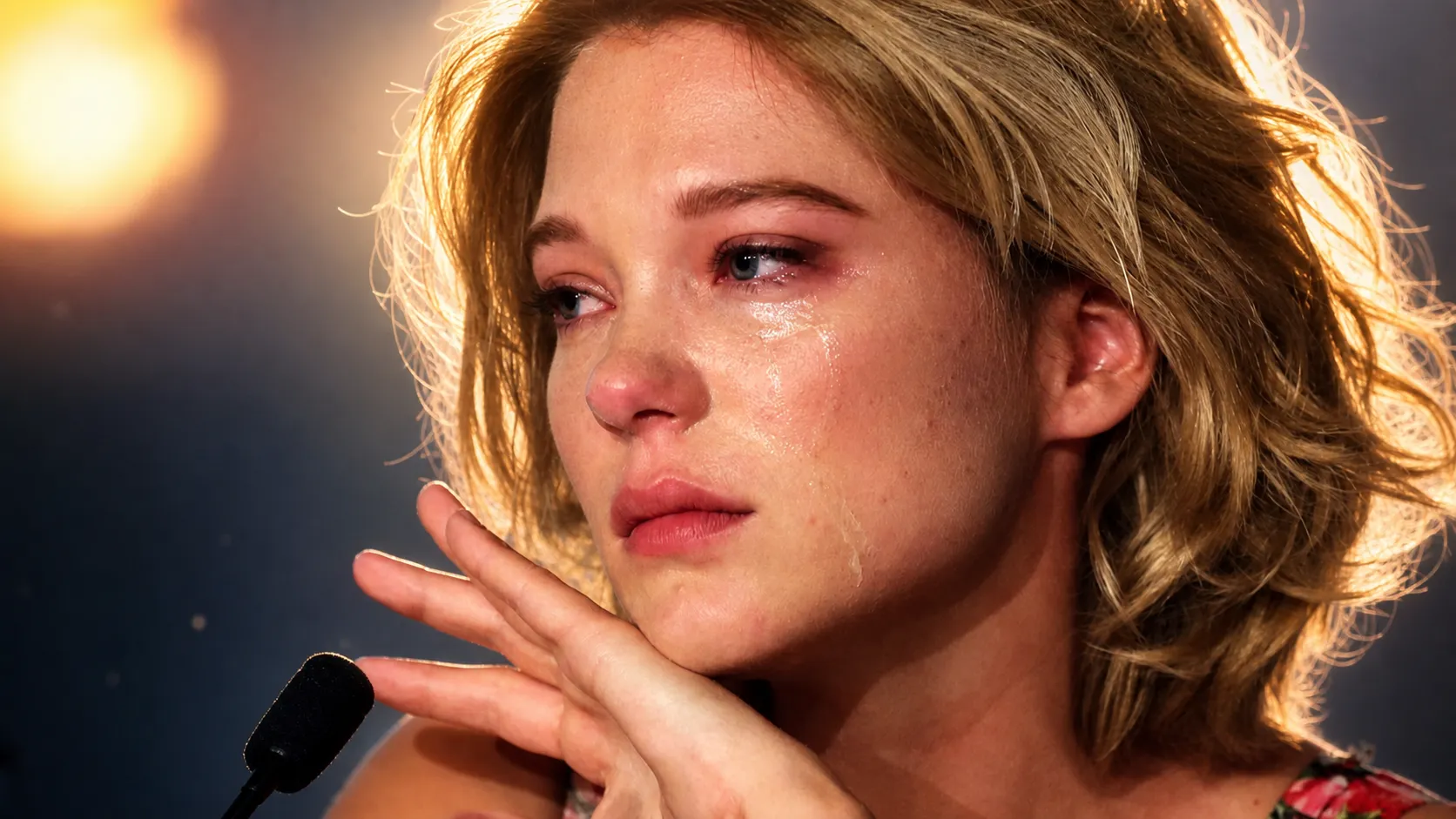
Léa Seydoux has previously spoken about the lasting impact of filming Blue is the Warmest Color, the 2013 Palme d’Or winner directed by Abdellatif Kechiche. The film drew acclaim on release, but the making of it became almost as widely discussed as the finished movie.
“Sometimes there are looks that make you feel uncomfortable. That was the hardest part during filming. It was psychological harassment,”
“Since that film, I always ask for the right to review all the scenes where I’m going to be naked, so I can decide whether or not I accept my body being shown in that way.”
Seydoux and co-star Adèle Exarchopoulos both later described the shoot as deeply difficult, with reports at the time focusing on the atmosphere on set and the length of time taken to film the movie’s explicit scenes.
Brooke Shields was 14 when she appeared in The Blue Lagoon, where body doubles were used for some scenes involving nudity because she was underage during production.
She had also starred in the 1978 drama Pretty Baby as Violet, a child subjected to abuse and pushed into sex work, a role that included kissing a 29-year-old co-star. Shields was 11 when she made that film, which has remained controversial for decades.
Looking back in the Hulu documentary Brooke Shields: Pretty Baby, she questioned why her mother allowed her to take those roles.
“I don’t know why she thought it was all right.”
The 2023 documentary revisited how Shields was sexualized in the public eye from childhood and examined the entertainment industry culture that treated that exposure as normal at the time.
Helen Mirren, whose career has spanned decades, has also spoken candidly about nudity on screen and the reasons she agreed to certain scenes earlier in her career.
“I’ve always had a problem doing nudity. I hated it! I hated the fact that I hated it, however. It’s never a comfortable thing,” she told The Hollywood Interview.
“But I didn’t want to be uptight, and I also always told myself, ‘It’s okay, because you work in the theater, so you’re not going to get stuck with it.’ But of course, I have gotten stuck with it, in a way!”
Among those earlier appearances was 1969’s Age of Consent. Mirren has said in later interviews that she eventually decided she no longer wanted to do on-screen nudity, reflecting a broader shift in how many actors talk about agency and consent in their work.
Taylor Lautner became an international star through the Twilight films, but later said the physical demands tied to his image had a negative effect on him.
“forced to be in a gym multiple times a day, six days a week”
His transformation into Jacob Black became one of the franchise’s defining talking points, but Lautner later said the pressure to maintain that physique affected both his relationship with his body and his mental health.
After the franchise ended, he said he ‘rebelled’ against that routine.
“Your body can look unbelievable, you can be ripped, shredded, whatever you can lose weight, you can put on muscle, and if you’re not healthy mentally, then that’s all for nothing because that can work against you,” he said on his podcast The Squeeze.

Emilia Clarke has likewise discussed clashes over nude scenes during her time on Game of Thrones.
She portrayed Daenerys Targaryen and appeared nude in the show’s first season. Clarke has said that, as a drama school graduate taking one of her first screen roles, she initially felt she had little room to push back.
“I took the job and then they sent me the scripts and I was reading them and it was like, ‘Oh, there’s the catch!’”
Clarke later said she initially accepted that situation because she saw it as part of the job, but has since become far more confident about setting boundaries.
“I’ve had fights on set before where I’m like, ‘no, the sheet stays up’, and they’re like, ‘you don’t wanna disappoint your Game Of Thrones fans’. And I’m like, ‘f*** you,’” she said.
Her comments became part of a much wider industry conversation about whether young performers, especially those early in their careers, can freely give consent in environments where they feel pressure to please producers and directors.

Amanda Seyfried has also said that early in her career she felt pressure to do scenes she was uncomfortable with because she feared losing work.
She said those experiences happened when she was 19 and trying not to upset anyone in charge.
“Being 19, walking around without my underwear on – like, are you kidding me? How did I let that happen?” she told Net-A-Porter.
“Oh, I know why: I was 19 and I didn’t want to upset anybody, and I wanted to keep my job. That’s why.”
Stories like these are one reason the conversation around intimate scenes has shifted so sharply. What was once often treated as a routine part of filmmaking is now far more likely to be discussed in terms of consent, safeguarding, closed sets, performer review rights and the presence of trained professionals to choreograph intimate material.