

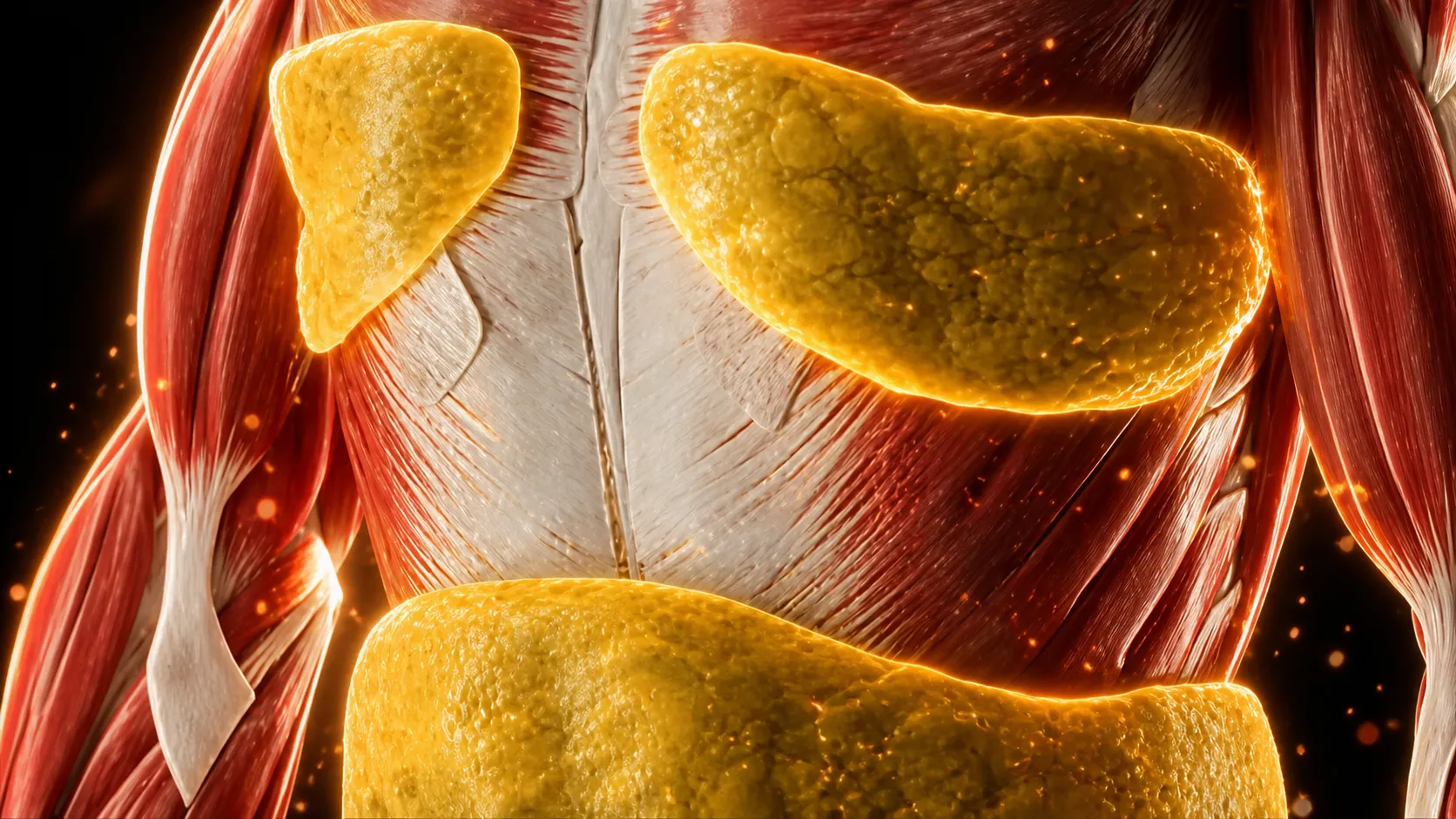
A striking simulation has shown just how dramatically a 36-hour fast can affect the body.
Intermittent fasting has become a hugely popular online weight-loss approach, often promoted as a simple way to cut calories and slim down.
But skipping food for long stretches is a far more intense method than many dieting trends, and medical experts have repeatedly warned about the risks tied to highly restrictive eating habits.
Alongside those concerns, a simulation video has illustrated what can happen internally when someone goes without food for an extended period.
These kinds of videos can be unsettling to watch, but they are designed to give viewers a clearer picture of the physical processes taking place inside the body.
A video from the Wellness Wise YouTube channel broke down how the body starts using stored fat after several hours without eating, which is one reason fasting can lead to weight loss.
It also claimed that the body begins undergoing notable changes after only four hours without food.
In broad terms, health experts say the body first uses energy from the most recent meal and then starts drawing more heavily on stored glucose, before shifting further toward fat use as fasting continues. Some people may also enter ketosis during longer fasting periods, a metabolic state in which the body increasingly burns fat after glucose stores run low.
The Emily Program, a diet and mental health service, has also addressed some of the lesser-discussed downsides of intermittent fasting.

Although fasting can help some people lose weight, the service says that, as with other restrictive diets, it may come with a range of side effects.
Those effects can differ from person to person, and not everyone who tries intermittent fasting will experience them, but they are still considered common potential drawbacks.
Common short-term complaints linked to intermittent fasting can include hunger, irritability, headaches, fatigue, nausea and difficulty concentrating, especially while the body is adjusting to a new eating pattern.
It also pointed out that research into intermittent fasting remains relatively limited.
That caution is echoed by major health publishers. Recent guidance from Harvard Health says intermittent fasting studies have shown modest weight loss and improvements in some heart-related risk factors, but notes that most trials have lasted 12 months or less, meaning the long-term picture is still unclear.
The Emily Program stated:
“Current human research is very limited in size and duration, in part because this diet fad is not sustainable.
“In fact, many people are unable to complete intermittent fasting trials, as demonstrated by the high drop-out rate of intermittent fasting weight loss studies.”
James Betts, a professor of metabolic physiology at the University of Bath, has made a similar point despite the strong support the diet has from some followers.
Speaking to the Guardian, he said:
“There [are] a lot of proposed benefits to [running on fats]. But a lot of the research hasn’t really [been borne out in] human beings. So we don’t see dramatic health benefits, certainly in the short term.”
Recent reviews of clinical trials have also suggested that intermittent fasting can improve body weight and some cardiometabolic markers in certain adults, particularly people who are overweight or obese, but researchers have stressed that results vary depending on the fasting plan, the length of the study and the person following it.
Doctors also warn that longer fasts are not automatically better. Johns Hopkins Medicine says periods of 24, 36, 48 and 72 hours without food are not necessarily more beneficial and may even be dangerous.
The Emily Program also warned that some participants may face a greater risk of developing an eating disorder or worsening an existing one.
It explained that intermittent fasting is not classified as an eating disorder on its own, but consistently overriding hunger signals can contribute to an unhealthy relationship with food.
That is one reason medical professionals generally advise people to speak to a doctor before trying fasting regimens, especially if they are pregnant, breastfeeding, under 18, have type 1 diabetes, take insulin or other medicines that can affect blood sugar or blood pressure, or have a history of eating disorders.
Experts also point out that fasting does not give people a free pass to eat poorly during non-fasting hours. If the food eaten during the eating window is mostly fast food or heavily processed meals, the overall health benefits are likely to be limited.
For that reason, specialists often say intermittent fasting should be seen as just one eating pattern rather than a miracle fix. For people who do try it, the safest version is usually a balanced approach that still includes enough calories, protein, fibre, fluids and essential nutrients.