

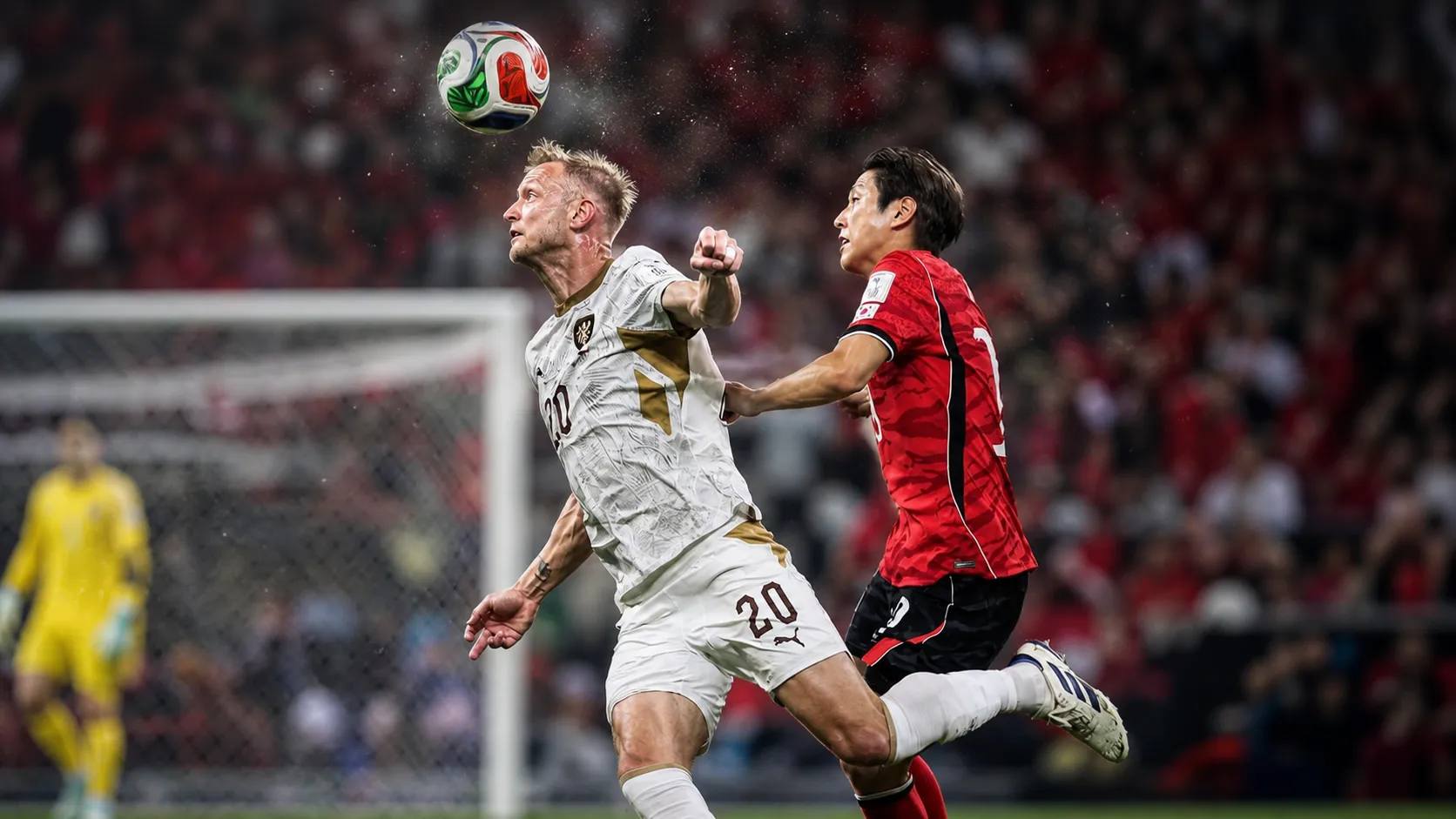
South Korea’s meeting with Czechia in the tournament’s second fixture drew plenty of attention, though much of the conversation online centered on the crowd rather than the football itself.
After Mexico opened the 2026 FIFA World Cup with a win over South Africa in front of more than 80,000 fans at Mexico City Stadium on Thursday, 11 June, attention shifted a few hours later to Guadalajara Stadium, where South Korea took on Czechia in the other opening-day match.
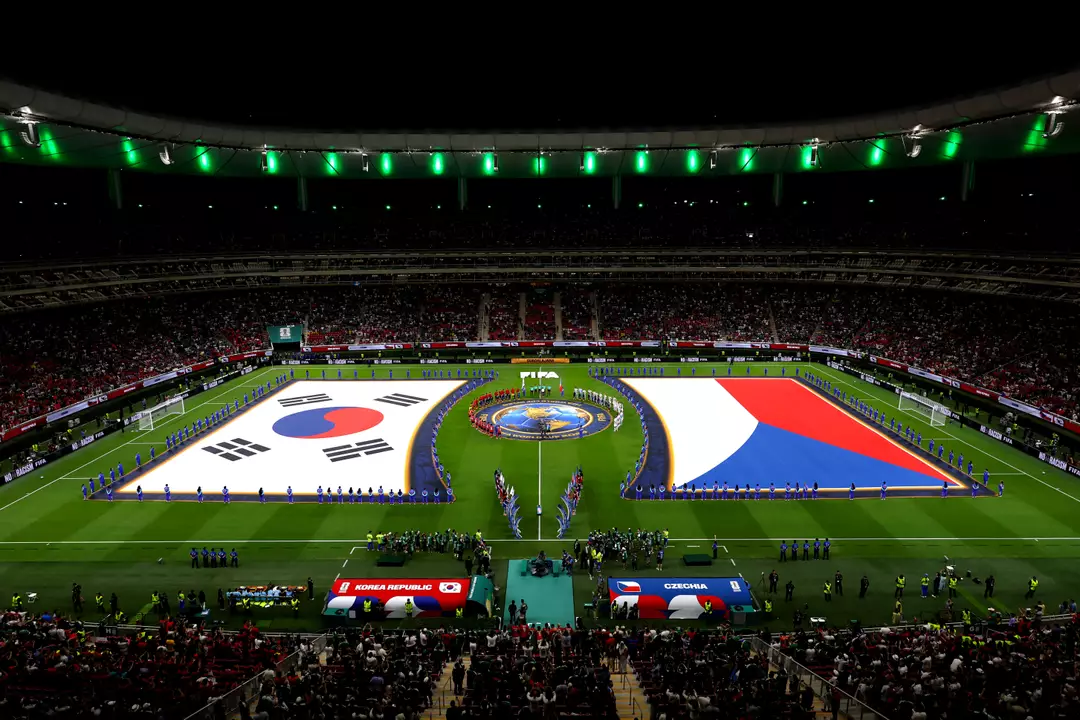
People watching the broadcast were quick to notice visible gaps in the stands, something FIFA had hoped to avoid during the first World Cup to feature 48 teams and 104 matches.
The stadium announcer put the attendance at 44,985, while FIFA confirmed Guadalajara Stadium’s official tournament capacity at 45,664.
🚨TRENDING: Lots of empty seats in the stadium for South Korea vs Czechia. pic.twitter.com/8zESJeBGfB
— Polymarket Sports (@PolymarketSport) June 12, 2026
Even with the official figure suggesting the match was only a few hundred short of a full house, empty sections could still be seen around the ground, including in seats opposite the main television cameras. That sparked a wave of reactions across social media and renewed criticism of FIFA’s pricing strategy, particularly for premium lower-bowl sections that appeared sparsely occupied on the broadcast.
One person penned on X: “FIFA really priced out the fans and now the stadium looks like a midweek Europa League game. Empty seats at the World Cup is actually embarrassing.”
Another wrote: “How is it possible having all these empty seats in the Akron Stadium (Guadalajara Stadium) in the second game of the World Cup?”
A third joked: “The World Cup has the same attendance as my 8am lecture.”
Ticket costs have already become a major talking point around the tournament, and FIFA president Gianni Infantino addressed the issue during a press conference before the competition got underway earlier this week.
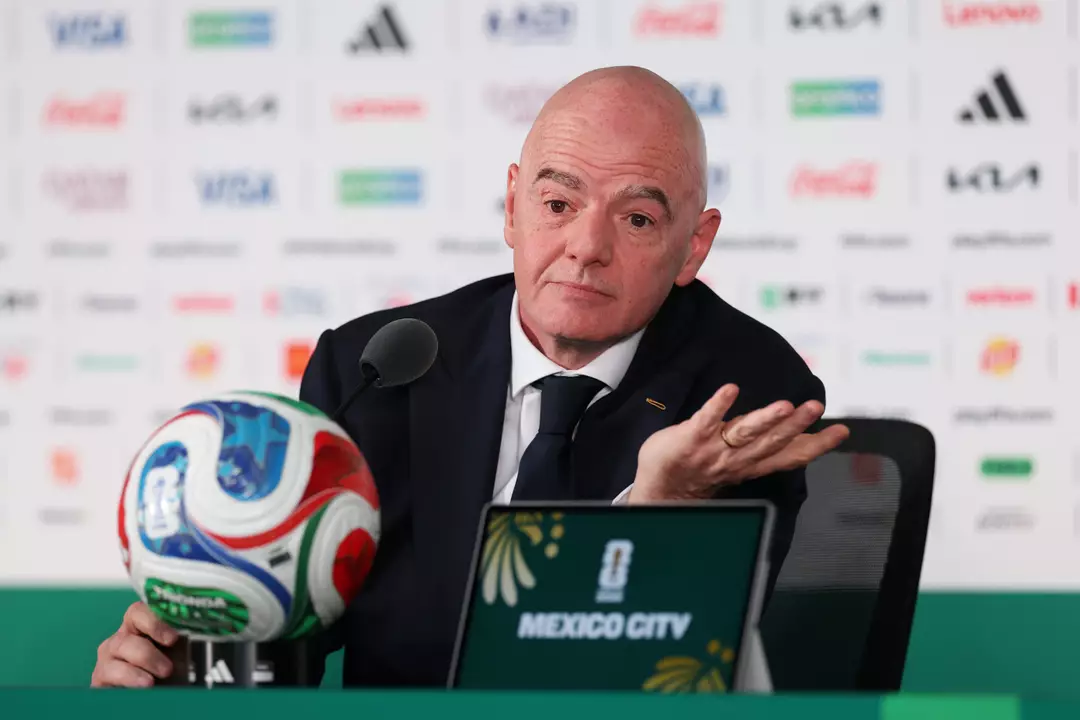
“If you sell it at a lower price point,” he said. “In this particular market it would have gone — which is perfectly legal in this country… In secondary markets at much, much, much higher prices and where would the money go then? Well, to those who organize secondary markets or black market activities and not to football.”
Infantino also said the average ticket price for the event was under $500. Group-stage tickets started at $140, while regular seats for the final on 19 July in New York New Jersey were initially listed as high as $8,680. AP also reported that FIFA later raised some final ticket prices to $10,990 and then $32,970, while hospitality packages went as high as $73,200.
The backlash over prices had already prompted FIFA to introduce a lower-cost Supporter Entry Tier for fans of qualified teams, with tickets set at $60 for all 104 matches, including the final. Those tickets were made available through national federations rather than as standard public sale inventory.
High prices aside, the FIFA president has previously pointed to what he described as enormous interest in tickets for the World Cup.
“You’ve heard, there were many discussions about the ticketing of the World Cup,” Infantino said in April.
“We had 500 million ticket requests — 500 million ticket requests. In the last two World Cups together, we had 50 million ticket requests. Here, 500 million.”
FIFA later said the random selection draw application period alone generated more than 500 million ticket requests, underlining the scale of demand for the tournament across the United States, Mexico and Canada. The governing body has also said it has sold more than six million tickets overall.
That has only intensified scrutiny around matches like South Korea vs Czechia, where the official attendance was high but television pictures still suggested a mismatch between tickets distributed and seats actually filled. Whether that was down to pricing, resale market distortions, hospitality no-shows or simple timing, the optics on opening day were poor and quickly became one of the tournament’s first major off-field controversies.