


A newly approved weight loss medication is set to reach patients in the UK within weeks, becoming the country’s first GLP-1 pill licensed for weight management. The big question now is how effective it actually is.
The Medicines and Healthcare products Regulatory Agency (MHRA) approved the tablet form of Wegovy on 11 June 2026, clearing the way for the oral version of semaglutide to enter UK obesity care. The regulator said it can be prescribed alongside a reduced-calorie diet and increased physical activity for adults with obesity, or for adults who are overweight and have at least one weight-related health condition.
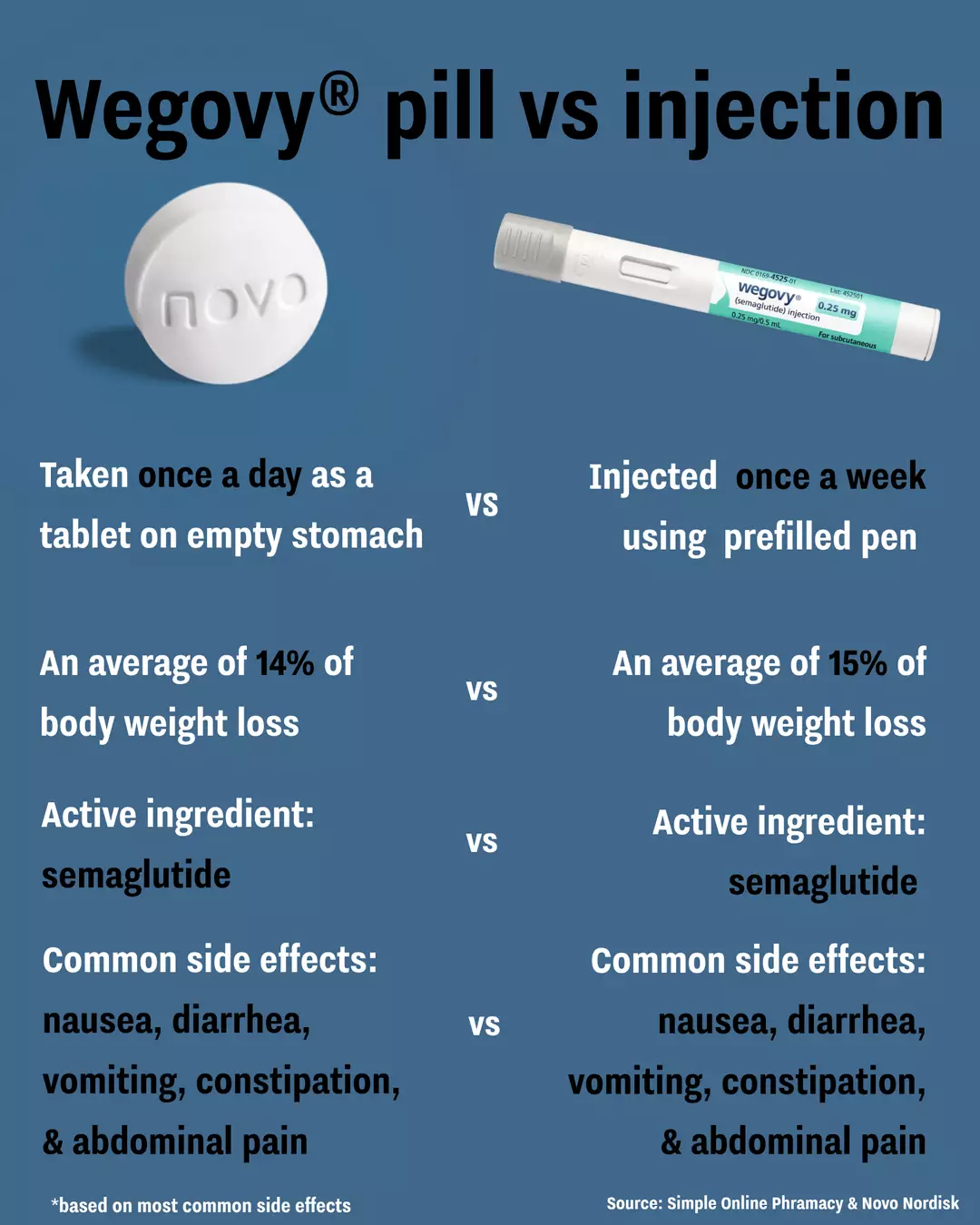
Produced by Novo Nordisk, which also makes Ozempic and Rybelsus, the daily pill uses semaglutide, the same GLP-1 medicine found in Wegovy injections. Clinical trial data for oral semaglutide in obesity showed average weight loss of around 15 percent after 68 weeks at the highest studied dose, which is broadly in line with the company’s claim that some patients could lose about 14 percent of their body weight over a little more than a year.
Access to the treatment will remain limited to people who meet specific medical criteria. Under the UK licence, that generally means adults with a body mass index (BMI) of 30 or above, or adults with a BMI from 27 to under 30 if they also have a weight-related comorbidity such as high blood pressure, abnormal blood fats, cardiovascular disease or type 2 diabetes.
That does not automatically mean every eligible person will get it straight away on the NHS. In practice, NHS access in England to obesity medicines has been phased and can depend on local commissioning rules, referral pathways and whether a patient qualifies for specialist weight management services.

Professor Naveed Sattar, Professor of Cardiometabolic Medicine at the School of Cardiovascular & Metabolic Health at the University of Glasgow, said:
“The approval of the once-daily oral form of Wegovy (semaglutide) is welcome news for people living with obesity, particularly those who would prefer not to use injections. Expanding the range of effective treatments is important in helping people sustainably reduce caloric intakes within an increasingly obesogenic environment. With obesity rates in the UK now at very high levels, and associated with substantial multimorbidity, additional treatment options for sustained weight loss are greatly needed.”
Like the injectable version, the tablet uses semaglutide. This mimics the hormone GLP-1, which the body naturally releases after eating. By affecting the brain’s appetite-control systems, slowing stomach emptying and boosting feelings of fullness, semaglutide can help people feel satisfied sooner, stay full for longer and reduce the urge to keep eating.
Because of that, many users end up eating less overall, which leads to weight loss over time. But the medicine is not a shortcut on its own: regulators and NHS guidance both stress that it is intended to be used with dietary changes and more physical activity rather than as a standalone fix.
The UK Government says treatment begins with a 1.5mg dose, before moving up through 4mg, 9mg, and then 25mg.
Patients are advised to stay on each dose for at least a month before increasing it. However, those already receiving private treatment with 2.4mg Wegovy injections once a week may be able to switch directly to a 25mg daily tablet, subject to a prescriber’s advice and the product information.
There are also strict instructions on how the pill should be taken. It needs to be swallowed whole on an empty stomach with a small amount of water.
That means not eating for at least eight hours beforehand so the stomach is empty.
After taking it, food, drink and other oral medicines should usually be avoided for 30 minutes so the body can absorb the drug properly. That dosing routine is one reason some patients may still prefer the weekly injection, while others may see a daily tablet as easier to fit into everyday life.
Novo Nordisk says the approval is a major milestone, particularly because the UK is the first country in Europe to authorise the pill form of Wegovy.
“This is a landmark approval, making the UK the first country in Europe to approve Wegovy® pill,” said Emil Kongshøj Larsen, Executive Vice President, International Operations, Novo Nordisk. “Today, around 15 million people in the UK are living with obesity, yet only a small proportion of them have access to treatment and we hope this approval supports increasing access to obesity care in the UK. With the introduction of this option for weight management, we have an opportunity to support many more eligible patients. Most importantly, this gives patients another option — one that may fit their lives and help them reach their health goals.”
The approval also comes at a time of fast-moving change in obesity treatment. GLP-1 medicines have already transformed the market, and newer drugs such as tirzepatide are also being rolled out through NHS pathways in stages, meaning the Wegovy pill will enter a much more competitive and closely watched field than earlier weight-loss treatments did.
Although the treatment offers a new alternative for people who do not want injections, it is not without risks. The most common side effects with semaglutide are gastrointestinal, including nausea, vomiting, diarrhoea, constipation, stomach pain and indigestion, especially when the dose is being increased.
More serious warnings also apply. Government safety advice on GLP-1 medicines says they are not suitable for everyone, and people should only obtain them from legitimate prescribers and registered pharmacies. Anyone with a history of pancreatitis, gallbladder problems, severe digestive side effects, or who is pregnant or planning a pregnancy should speak to a clinician about whether the medicine is appropriate.
Anyone considering the medication should make sure they understand both the benefits and the potential downsides before starting treatment. For many patients, the key questions will not just be how much weight they can lose, but whether they can tolerate the side effects, stick with the daily routine and maintain the lifestyle changes needed to keep the weight off in the longer term.