


Dwayne Johnson has spoken about the frightening experience of facing a possible cancer diagnosis after finding a painful lump, and it highlights symptoms people should be aware of.
Known for his long association with fitness through wrestling and his famously muscular build, the actor explained that he went through a tense period of uncertainty after noticing something was wrong.
Johnson said he spent 24 hours not knowing what the lump on his testicle might mean, describing it as an especially unsettling ordeal.
In an Esquire interview published Thursday (11 June), the Moana star said he found a painful lump in his left testicle and initially kept the situation to himself.
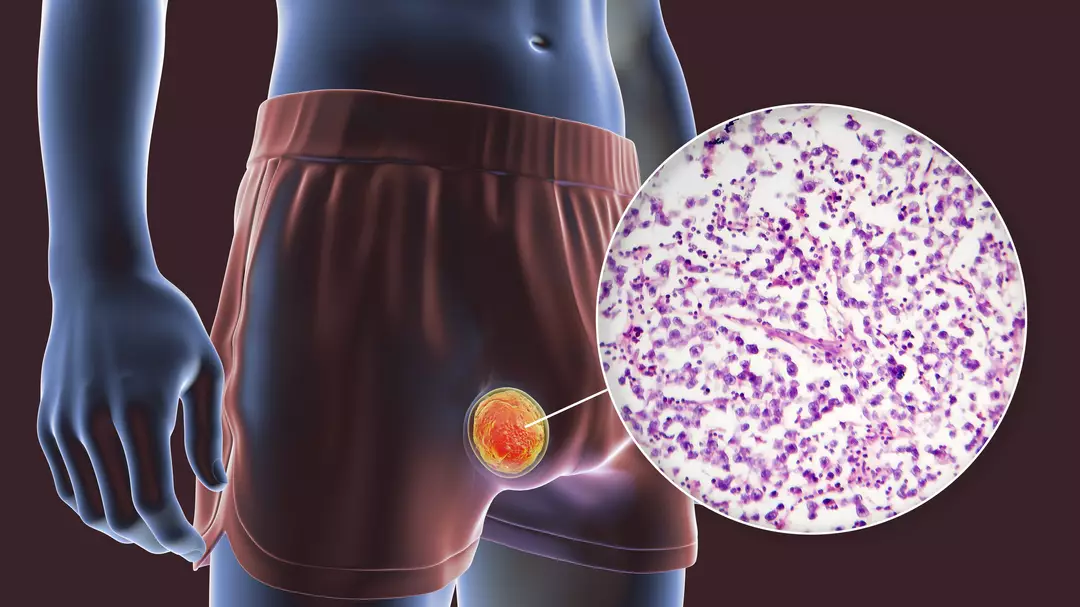
After first noticing it on a Friday, the pain continued to get worse. By Monday, he was in his doctor’s office, where he was told it was likely one of two possibilities: epididymitis, which is inflammation of a tube at the back of the testicle, or cancer.
“By the way, I’m fine,” Johnson said in his interview, indicating that it was the former condition. “But I didn’t know that then, and the thing was really painful.”
The interview said the scare happened while Johnson was promoting the next Jumanji film at CinemaCon in Las Vegas, adding to the stress of waiting for answers.
People are often told that painless lumps are more commonly linked to cancer concerns, while painful ones can point to other conditions.
Still, pain should not be dismissed.
Testicular cancer can present with pain, and it remains one of the key warning signs to watch for.

According to the Mayo Clinic, symptoms can include a lump or swelling in either testicle, a feeling of heaviness in the scrotum, sudden swelling, a dull ache in the lower abdomen or groin, pain or discomfort in a testicle or the scrotum, breast tenderness or enlargement, and back pain.
The Mayo Clinic says the first sign is often a bump or lump on a testicle, and advises people to see a healthcare professional if pain, swelling or a lump lasts longer than two weeks. It also notes that any scrotal mass should be checked to rule out serious causes.
Testicular cancer is uncommon overall, but it is one of the more common cancers affecting younger and middle-aged men. The disease happens most often between ages 15 and 45, and the average age at diagnosis in the US is about 33.
American Cancer Society estimates suggest that about 9,810 new cases of testicular cancer will be diagnosed in the United States in 2026, with around 630 deaths. The organisation also says roughly 1 in 250 males will develop it at some point in their lifetime.
The disease is relatively uncommon, but the risk is higher for men with an undescended testicle, a family history of testicular cancer, or white ethnicity.
There is no guaranteed way to prevent testicular cancer. However, anyone who notices symptoms or unusual changes should speak to a medical professional as quickly as possible to get answers and discuss treatment if needed.
It is also worth remembering that not every lump or pain points to cancer. Doctors may also consider causes such as epididymitis and other scrotal conditions, but experts say new lumps, swelling or ongoing pain should never be ignored.
Testicular cancer is considered highly treatable, even when it has spread beyond the testicle. Treatment options can include surgery and chemotherapy, depending on the type of cancer and how far it has progressed.